
Replacing a Condenser on an Air Conditioner
A comprehensive breakdown of parts, labor, refrigerant, and how to decide between a condenser replacement and a full system upgrade.
Key Takeaway: Replacing an AC condenser is a mid-range investment relative to a full system changeout, and the final figure depends heavily on the unit's SEER rating, tonnage, and whether the existing indoor coil is compatible. Most homeowners find that the equipment itself is the single largest component of the project, followed by labor and refrigerant.
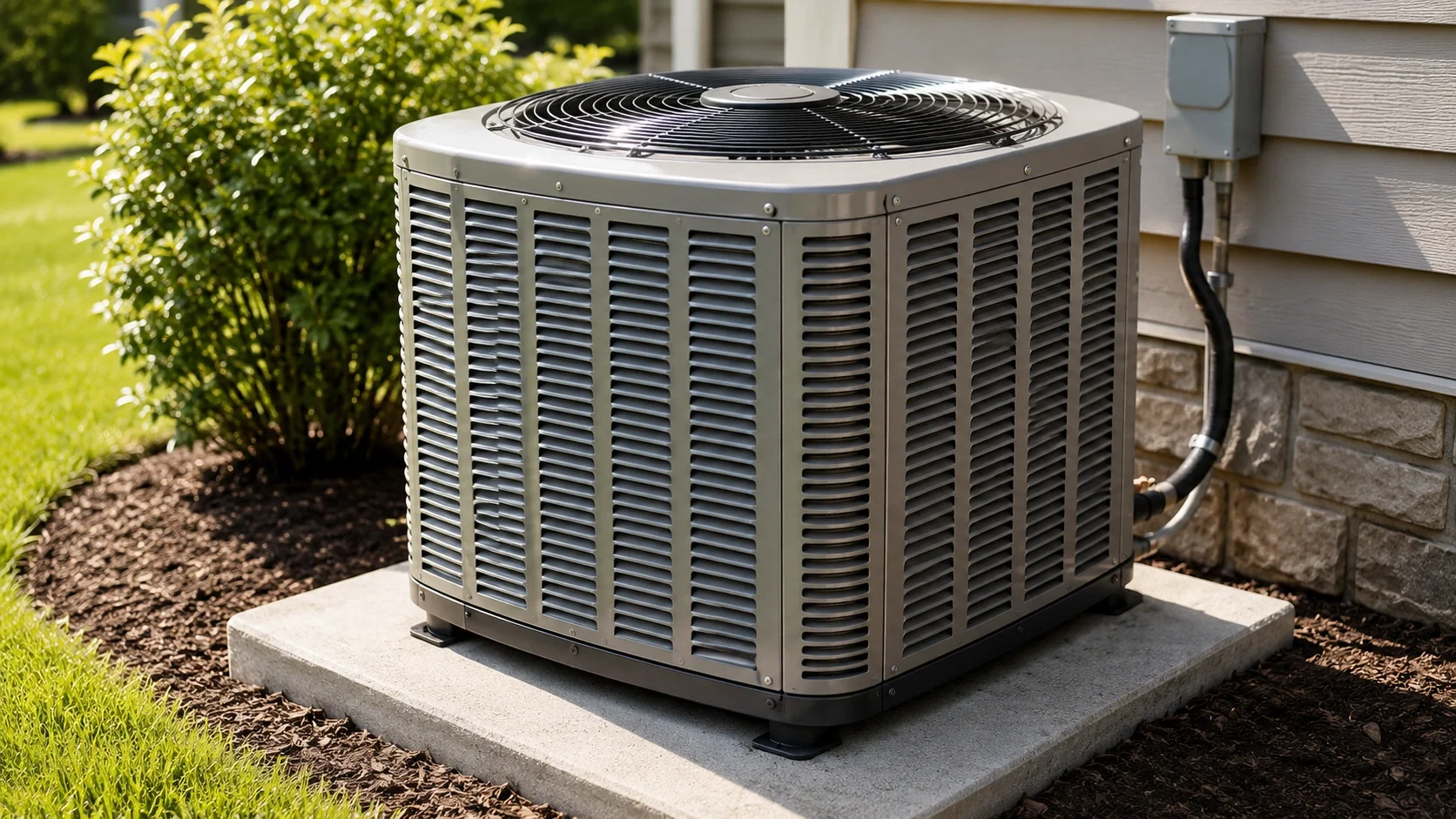
The outdoor condenser is the heart of your cooling system. Replacing it can restore efficiency without the expense of a full system changeout.
What's Included in a Condenser Replacement?
When you receive a quote from an HVAC contractor, the project isn't just for the metal box sitting outside. A proper replacement involves several components and labor steps. Understanding this breakdown helps you evaluate quotes and avoid hidden fees. The condenser itself typically accounts for the largest share of the total project, while labor, refrigerant, and miscellaneous materials make up the rest.
| Project Component | Relative Weight | Notes |
|---|---|---|
| Condenser Unit (1.5-5 Tons) | Largest Share | Varies by SEER, brand, and tonnage |
| Labor & Installation | Significant Share | 4-8 hours of work, includes disposal of old unit |
| Refrigerant (R-410A) | Moderate Share | Depends on system size; older R-22 setups require more consideration |
| Miscellaneous Materials | Smallest Share | Line set, pad, disconnect box, whip, permits |
| Total Project | Mid-Range Investment | Typical range for a complete job |
Key Factors That Influence the Project
No two homes are exactly alike, and several variables can shift the final invoice up or down. Before you schedule a visit, it's wise to understand what might affect your specific situation. A knowledgeable homeowner is better equipped to negotiate and understand the value of the service being provided.
System Size and Tonnage
The cooling capacity of your air conditioner, measured in tons (one ton equals 12,000 BTU), is the primary driver of equipment cost. A small 1.5-ton condenser for an apartment will be far less of an investment than a 5-ton unit for a large house. Installing an incorrectly sized unit can lead to inefficiency and premature failure, so a proper load calculation based on your home's square footage is essential. You can explore a range of capacities from 18,000 to 24,000 BTU units up to larger 42,000 to 60,000 BTU systems.
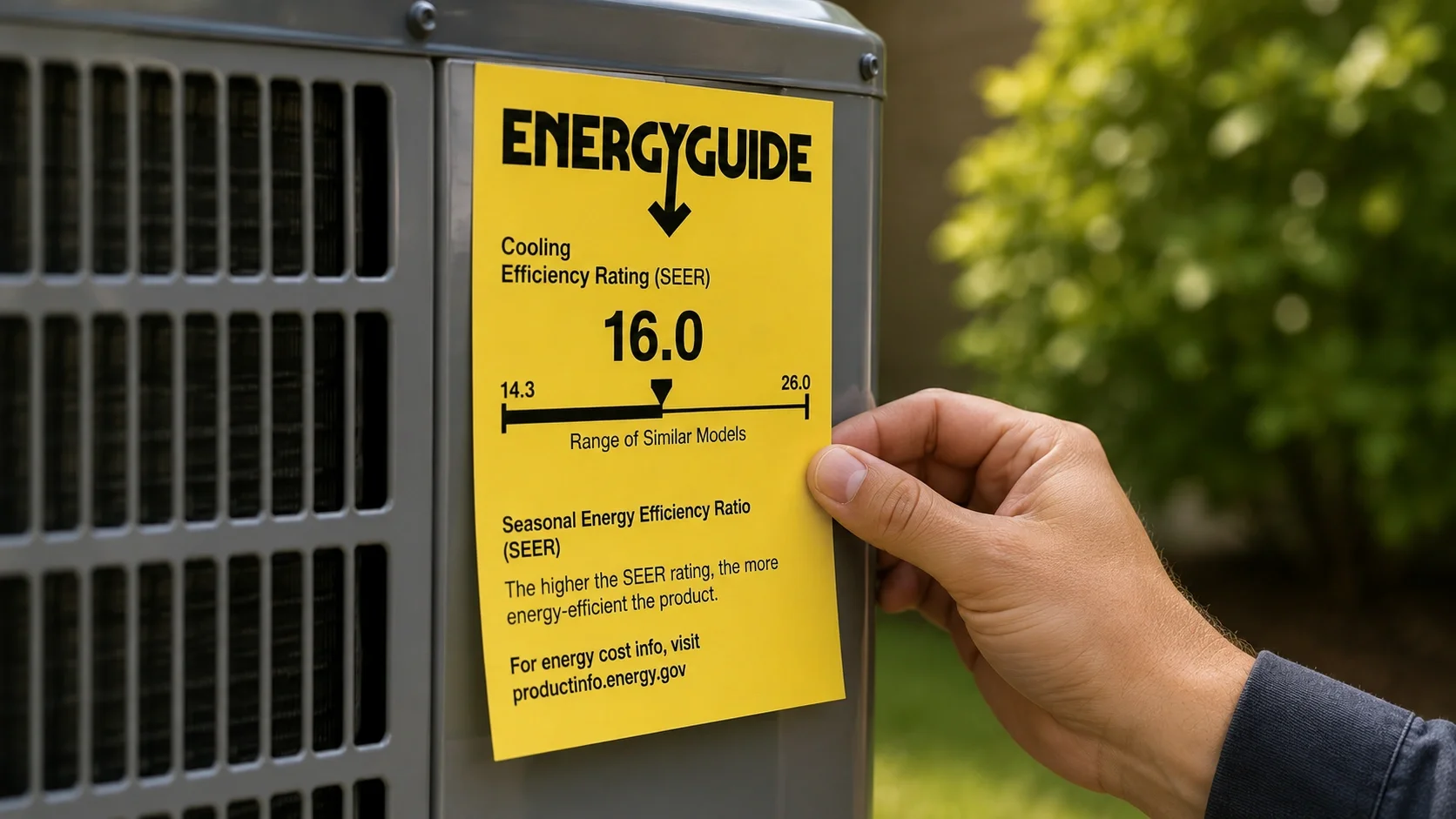
A higher SEER rating means greater energy efficiency, but also a higher upfront investment for the condenser.
SEER Efficiency Rating
The Seasonal Energy Efficiency Ratio (SEER) indicates how efficiently the unit converts electricity into cooling. A baseline 14-15 SEER unit is the most affordable entry point, while a high-efficiency 20+ SEER model represents a premium tier. The choice involves a long-term calculation: is the energy savings worth the higher upfront investment? This is especially relevant given the current DOE minimum efficiency standards. For many, a mid-range SEER2-compliant unit offers the best balance of value and performance.
The Refrigerant Factor
If your existing AC uses R-22 (Freon), which has been phased out, you cannot simply install a new R-22 condenser. The limited, costly supply of R-22 makes a repair economically unwise. A new condenser will use R-410A or a newer A2L refrigerant. This often mandates replacing the indoor evaporator coil for compatibility, which adds a meaningful amount to the project if not already planned. Learn more about these changes in our guide on the R-410A phase-out and new refrigerant standards.
Repair vs. Replace: A Critical Decision
Replacing only the condenser is viable when the unit is relatively young (under 8 years) and the indoor coil and air handler are in good shape. However, on an older system, especially one facing a major repair like a failed compressor, it's often wiser to invest in a full system replacement. Mismatching an old coil with a new high-efficiency condenser can severely reduce performance and lifespan. If you are unsure, consult our framework on whether to repair or replace your air conditioner.
Condenser Replacement by Scenario
To give you a more concrete idea, here are common real-world scenarios and how they map onto market tiers. These estimates assume professional installation by a licensed and insured contractor and include all materials, labor, and disposal fees.
- Entry-Level Installation: A 1.5-ton, 14 SEER unit from a builder-grade brand, replaced with no line set modifications. This is the most budget-friendly tier.
- Mid-Range Job: A 3-ton, 16 SEER unit from a reputable mid-tier brand, with a new pad and whip. This is the sweet spot for most homeowners.
- Premium Upgrade: A 4-ton, 18+ SEER inverter-driven, variable-speed condenser. May require a matching communicating indoor unit for full functionality. This sits in the high-end tier.
Watch Out for These Additional Considerations
A door-knocker or budget online quote may only cover the bare minimum. To avoid surprises, ask your contractor if the following are included in their estimate:
- Permits: A mechanical permit is often required, adding a modest administrative amount to the project.
- Code Upgrades: Bringing the electrical disconnect box or pad up to current code.
- Line Set Replacement: Reusing old copper lines can contaminate the new compressor oil.
- Evaporator Coil Match: As mentioned, a mismatched coil can void your equipment warranty.
- Ductwork Assessment: Leaky ducts can waste 20-30% of your new condenser's efficiency. Ensure your air ducts are sealed properly.
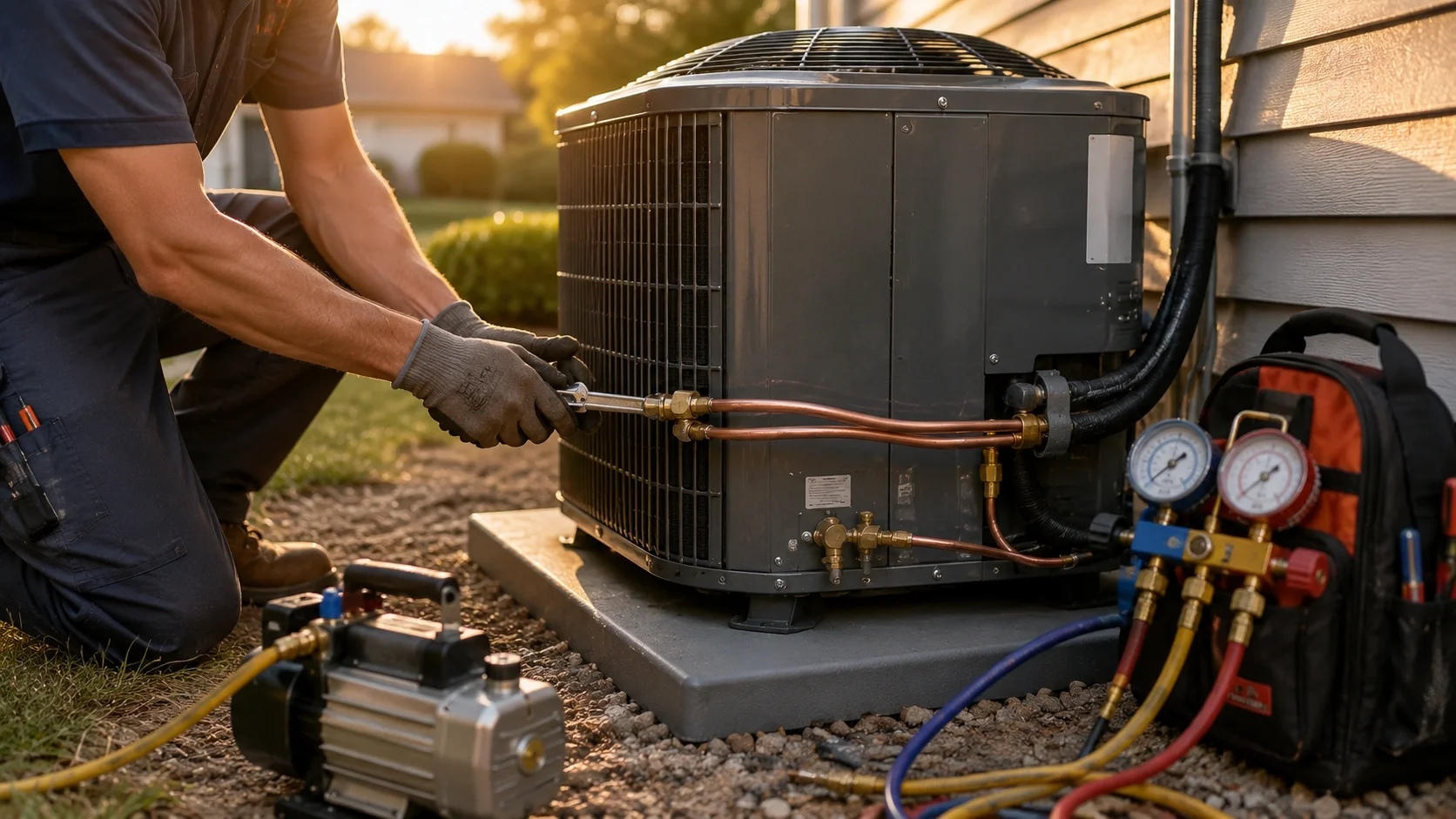
A professional installation ensures correct refrigerant charge, electrical connections, and long-term reliability.
How to Get an Accurate Quote
The best approach is to obtain at least three written estimates from qualified companies. Use our guide on how to get a reliable installation quote to structure your conversations. Ensure the quote details the model number, SEER rating, and a line-item breakdown. Choosing a contractor isn't just about the bottom line; verify their credentials using our advice on how to choose an HVAC contractor and confirm they have the proper license and insurance. A poorly installed condenser, even a premium one, will never deliver its rated efficiency or lifespan.
Can You Install a Condenser Yourself?
While a physically capable homeowner can pour a pad and set the unit, the critical steps—brazing copper lines with nitrogen, pulling a deep vacuum to remove moisture, and precisely charging refrigerant—require specialized tools and EPA Section 608 certification. Improper refrigerant handling is illegal and dangerous. A DIY mistake can instantly destroy a new compressor, turning a manageable project into a costly disaster. For the vast majority, this is a job for a professional, and the labor investment is insurance against a much larger mistake.
Ready to Explore Your Options?
We've curated a selection of top-rated condensers and HVAC components available from trusted online retailers. Browse the recommendations below to get an idea of current equipment features and specifications. Remember, a high-quality condenser is a 15-20 year investment in your home's comfort and value.


