AC Evaporator Replacement: A Complete Guide for Homeowners
Understand the warning signs of a failing evaporator coil, how the replacement process works, which service tier fits your situation, and how to plan the job with confidence.
Explore the GuideQuick summary: The evaporator coil is the indoor component that absorbs heat and humidity from your home's air. When it fails, cooling drops, energy use climbs, and moisture problems can spread. This guide explains how to recognize a failing evaporator, what a replacement involves, how service tiers differ, and when replacing the entire system may be the smarter long-term decision.
What the AC Evaporator Does
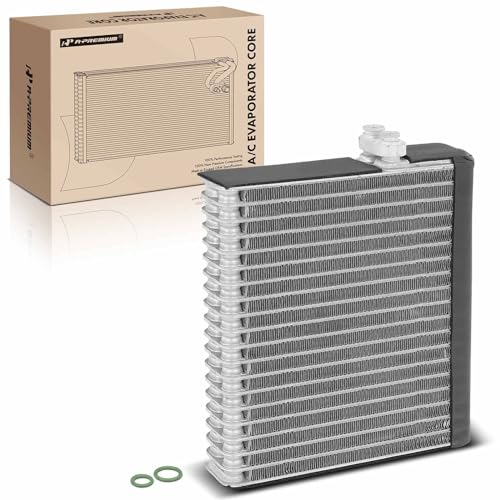
The evaporator coil sits inside the air handler or furnace cabinet and works with the outdoor condenser to complete the refrigeration cycle. Refrigerant enters the evaporator as a cold, low-pressure liquid. As warm household air moves across the coil fins, the refrigerant absorbs heat and boils into a gas. That process cools the air that your blower pushes through the ducts, while condensation collects on the coil and drains away.
Because the evaporator handles constant airflow and moisture, it is exposed to dust, pet hair, and biological growth. Over time, these conditions can reduce efficiency, corrode the coil, or create leaks. When the coil can no longer transfer heat effectively, replacement becomes the practical path forward.
Signs Your Evaporator Coil Needs Replacement
Evaporator problems rarely appear without warning. The following symptoms are common indicators that the indoor coil is failing or already compromised:
- Weak cooling: The system runs but the air feels only slightly cool, especially on hot afternoons.
- Ice on the indoor coil: Frost or ice buildup on the evaporator or refrigerant lines often signals restricted airflow or low refrigerant charge.
- Water leaks near the air handler: A clogged or frozen coil can overflow the drain pan and damage nearby surfaces.
- Musty or stale odors: Microbial growth on a dirty or deteriorating coil can circulate unpleasant smells through the home.
- Hissing or bubbling sounds: These noises can indicate refrigerant leaking from the coil.
- Rising energy use: A failing coil forces the system to run longer, which shows up on utility statements even when habits have not changed.
- Frequent refrigerant top-ups: If the system repeatedly needs refrigerant, a leaking evaporator is a likely cause.
Diagnostic tip
Not every cooling problem means a new evaporator. A qualified technician should confirm airflow, refrigerant charge, and coil condition before recommending replacement. Sometimes a thorough cleaning or a minor repair resolves the issue.
Repair or Replace? How to Decide
The decision depends on the coil's condition, the age of the system, and whether the rest of the equipment is healthy. A few guidelines can help:
- Minor, isolated leaks: In some cases a technician can seal a small leak and restore performance. This is most reasonable on newer systems in otherwise good condition.
- Corrosion or multiple leaks: A corroded or repeatedly leaking coil is usually beyond reliable repair. Replacement is the durable choice.
- Coil damage from airflow problems: If the coil was damaged by a failing blower or blocked filter, address the root cause along with the replacement.
- Aging outdoor unit: If the condenser is near the end of its service life or uses an older refrigerant, investing in a full system replacement may be more sensible than replacing only the indoor coil.
A useful rule of thumb: when the coil is the only failing part and the outdoor unit is in good shape, a focused evaporator replacement is often the balanced choice. When multiple major components are aging together, a full-system plan tends to deliver better long-term results.
How the Replacement Process Works
A professional evaporator replacement follows a defined sequence. Understanding the steps helps you ask better questions and set realistic expectations.
1. Diagnosis and confirmation
The technician verifies airflow, measures refrigerant pressures and temperatures, inspects the coil for leaks and corrosion, and confirms that replacement is the right recommendation.
2. Refrigerant recovery
Refrigerant is recovered into approved equipment according to EPA handling rules. This step protects the environment and keeps the job compliant.
3. Coil removal and access
Depending on the system layout, the technician may remove panels, disconnect the line set, and slide the coil out of the air handler or plenum. Difficult access can extend the timeline.
4. New coil installation
The replacement coil is set, secured, and connected. The technician checks the drain pan, condensate line, and seals to prevent future water issues.
5. Evacuation and recharge
The system is evacuated to remove moisture and air, then charged to the manufacturer's specification. Proper charging is essential for efficiency and coil longevity.
6. Testing and verification
The technician runs the system, checks airflow, verifies temperatures, and confirms that drainage and electrical connections are sound before finishing the job.
Service Tiers and What They Typically Include
Evaporator replacements vary in scope. The table below uses universal tier descriptors to help you compare options without relying on specific figures. The right tier depends on your system, access, and long-term plans.
| Tier | Best For | Typical Scope | What to Expect |
|---|---|---|---|
| Entry-level | Straightforward replacements in accessible systems | Standard coil swap, basic recharge, routine testing | A solid, functional result for a system in good overall condition |
| Mid-range | Homes needing additional checks or minor upgrades | Coil replacement plus drain line service, filter review, and airflow balancing | Better long-term reliability and fewer follow-up issues |
| High-end tier | Complex installations or systems with known weaknesses | Premium coil, enhanced sealing, duct inspection, and detailed commissioning | A well-specified outcome with attention to efficiency and durability |
| Premium tier | Whole-system optimization or high-performance goals | Premium components, comprehensive airflow and refrigerant tuning, extended verification | A flagship-level result focused on comfort, efficiency, and longevity |
In general, mid-range and high-end tiers offer a more thorough scope than entry-level work. The difference is usually in preparation, sealing, testing, and the quality of the replacement coil itself.
Factors That Influence the Scope of the Job
Every installation is different. The following variables affect how involved an evaporator replacement becomes:
- System type and layout: A coil in an accessible air handler is simpler to reach than one in a tight attic or closet. Ductless systems and ductless mini-split AC setups have different coil arrangements than central systems.
- Coil design and refrigerant: The replacement coil must match the system's refrigerant and capacity. Older refrigerants may require specific handling considerations.
- Condition of related components: A failing blower, clogged drain, or damaged ductwork should be addressed during the same visit to protect the new coil.
- Access and labor: Rooftop, attic, and crawlspace installations take longer and may require additional equipment.
- Warranty and documentation: Registering the replacement part and keeping records supports future claims and maintenance planning.
If your system is part of a broader upgrade plan, it is worth comparing the evaporator job with larger projects. A whole-home perspective often reveals better options than a single-component fix.
How to Protect the New Evaporator
A new coil performs best when the surrounding system supports it. These habits extend the life of the replacement and keep efficiency steady:
- Replace air filters on schedule: A clean filter protects the coil from dust and keeps airflow within the design range.
- Keep the drain line clear: Flush the condensate line periodically to prevent backups and moisture problems.
- Schedule seasonal maintenance: A professional tune-up catches small issues before they damage the coil.
- Watch for airflow changes: Weak airflow often signals a filter, blower, or duct problem that can stress the evaporator.
- Address leaks promptly: Early attention to water or refrigerant leaks prevents corrosion and larger repairs.
Long-term view
Treat the evaporator replacement as part of a broader maintenance plan. Systems that receive consistent care tend to deliver more stable cooling and fewer emergency repairs.
When a Full System Replacement Makes More Sense
An evaporator replacement is a focused repair, but it is not always the best overall decision. Consider a full-system plan when:
- The outdoor condenser is aging and efficiency has declined noticeably.
- The system uses an older refrigerant with limited future support.
- Multiple components have required repairs in a short period.
- You are planning a larger comfort or efficiency upgrade, such as adding zoning or improving ductwork.
In these situations, comparing the evaporator replacement with a complete system plan gives you a clearer picture of long-term value. If you are also exploring ductless options, ductless mini-split system planning may be relevant to your decision.
Frequently Asked Questions
How do I know if my AC evaporator needs replacement?
Common signs include weak cooling, ice forming on the indoor coil, water leaks near the air handler, musty odors, and hissing or bubbling sounds. A technician can confirm whether cleaning, repair, or full replacement is the right path.
Can an evaporator coil be repaired instead of replaced?
In some cases, minor leaks can be sealed and the coil can be cleaned. However, if the coil is corroded, repeatedly leaking, or heavily damaged, replacement is usually the more reliable long-term option.
How long does an evaporator replacement take?
A straightforward replacement often takes several hours, while complex jobs involving difficult access, refrigerant recovery, or duct modifications can extend into a full day or more.
Is it better to replace the whole AC unit instead of just the evaporator?
If the outdoor unit is aging, inefficient, or using older refrigerant, replacing the full system may be the better long-term investment. If the rest of the system is in good condition, replacing only the evaporator can be a sensible option.
Ready to Compare Evaporator Replacement Options?
Explore recommended air conditioners and related components to find the right fit for your home and long-term comfort goals.
View Recommended Options