Duct Sealing: The Hidden Key to AC Efficiency
Discover how airtight ductwork can transform your air conditioner's performance, reduce energy waste, and deliver consistent comfort to every room in your home.
START LEARNINGWhy duct sealing matters: Your air conditioner may be running perfectly, but if 20 to 30 percent of cooled air escapes through leaky ducts before it reaches your rooms, you are paying for comfort you never receive. Duct sealing closes that gap and turns wasted airflow into measurable savings and better indoor air quality.
Why Duct Sealing Matters for Every AC System
Air ducts act as the circulatory system of your home's HVAC setup. The air handler pushes conditioned air through a network of supply ducts, and return ducts pull stale air back for reconditioning. When joints, seams, and connections are loose, that circuit breaks. Conditioned air escapes into attics, crawlspaces, and wall cavities instead of reaching living spaces.
The consequences compound quickly. Your air conditioner runs longer to compensate for lost cooling, which increases wear on the compressor and blower motor. Rooms farthest from the air handler become uncomfortable because static pressure drops before air arrives. Meanwhile, unconditioned air from attics and garages gets pulled into the duct system through leaks, carrying dust, insulation fibers, and humidity into your breathing space.
Duct sealing reverses this cycle. By creating a continuous, airtight pathway from the air handler to every register, you restore the system's intended performance. Studies referenced by the U.S. Department of Energy show that sealing and insulating ducts can improve heating and cooling efficiency by up to 20 percent or more. For homeowners with central air conditioning, duct sealing is often the single most effective efficiency upgrade available.
Signs Your Ducts Are Leaking
Leaky ducts rarely announce themselves with a visible crack in the middle of your living room. The symptoms are subtle and often mistaken for other HVAC problems. Watch for these indicators:
- Uneven room temperatures: Some rooms stay warm in summer while others freeze, even though the thermostat reads the same.
- Whistling or whooshing sounds: High-velocity air escaping through narrow gaps creates noise at vents and duct joints.
- Excessive dust: Leaks in return ducts pull airborne particles from attics and crawlspaces into the airstream.
- Higher energy consumption: Your AC runs longer cycles for the same cooling output, which shows up on utility statements.
- Humidity imbalance: In summer, leaking supply ducts lose cooling before it reaches rooms, while return leaks pull in humid outside air.
- Visible gaps or disconnected joints: In attics, basements, and crawlspaces, look for separated sections, crushed flex duct, or joints wrapped only with aged cloth tape.
If two or more of these signs sound familiar, a professional duct blower test can quantify exactly how much air your system is losing. Many HVAC contractors perform this test during a standard energy audit and can pinpoint the largest leaks before any sealing work begins.
How Duct Sealing Works: Methods Compared
There is no single right way to seal every duct. The best method depends on duct material, accessibility, and whether the ducts are rigid metal, flexible, or fiberglass-lined. Below is a comparison of the most common approaches used by professionals and informed homeowners.
| Method | Best For | Durability | DIY Friendly |
|---|---|---|---|
| Mastic sealant | Rigid metal duct joints, seams, and connections | Excellent — flexible and permanent | Yes, for accessible ducts |
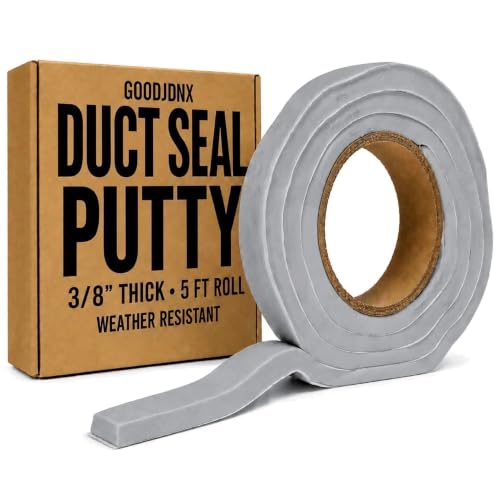
| Foil-backed tape | Metal duct seams and flexible duct collars | Good — resists heat and moisture | Yes |
| Aerosol duct sealing | Hard-to-reach ducts inside walls and ceilings | Excellent — seals entire system internally | No — professional only |
| Fabric mesh + mastic | Large gaps, disconnected sections, and flex duct tears | Very good — reinforces weak points | Yes, with careful preparation |
| Duct insulation jacket | Ducts in unconditioned spaces (attic, garage) | Excellent — adds thermal barrier alongside air seal | Moderate — requires wrapping skills |
Among these methods, mastic sealant stands out as the gold standard for accessible rigid ductwork. Unlike cloth duct tape, which dries out and fails within a few years, mastic remains flexible and bonds permanently to metal. Foil-backed tape is a solid secondary choice for flexible duct collars where mastic is difficult to apply. For ducts buried behind drywall, aerosol sealing injects a fine mist of sealant particles that accumulate at leak points, closing them from the inside without demolition.
Step-by-Step Duct Sealing Process
For accessible ducts in attics, basements, and crawlspaces, a careful homeowner can handle sealing with the right materials. Follow these steps in order to maximize results and safety.
Inspect and Map Leaks
Walk the entire duct run. Mark every joint, seam, collar, and damaged section with painter's tape. Check return ducts as carefully as supply ducts.
Clean Surfaces
Dust and debris prevent sealant from bonding. Wipe joints with a damp cloth and let them dry completely before applying mastic or tape.
Apply Mastic or Tape
Brush a thick layer of mastic over seams and joints. For gaps wider than 1/8 inch, press fiberglass mesh tape into the mastic and cover with a second coat.
Seal Flexible Duct Collars
Wrap foil-backed tape around the connection between flex duct and metal collars. Avoid over-tightening zip ties, which can crush the inner core.
Seal Register Boots
The gap between the duct boot and drywall is a common leak point. Apply mastic around the boot perimeter from inside the attic or basement.
Insulate and Test
After sealing, wrap ducts in unconditioned spaces with insulation. Run the AC and check airflow at each register. A duct blower test confirms improvement.
Safety note: Never seal the flue or exhaust vent of a gas furnace, water heater, or other combustion appliance. Sealing combustion vents can cause carbon monoxide buildup. If you are unsure which pipes carry flue gases, consult a licensed HVAC technician before starting.
Duct Sealant Options by Market Tier
Duct sealing products fall into distinct market tiers based on formulation quality, application ease, and long-term reliability. Understanding these tiers helps you match the product to the job without over- or under-specifying.
Standard Foil Tape
Best for temporary fixes and tight budget projects. Adequate for sealing small collars and flex duct connections, but may need periodic replacement in extreme attic heat.
Water-Based Mastic
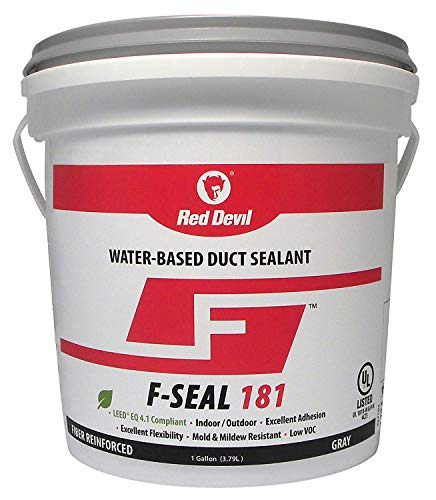
Best for most DIY duct sealing projects. Good adhesion, low odor, and easy cleanup with water. Ideal for rigid metal joints and register boots in accessible areas.
Fiber-Reinforced Mastic
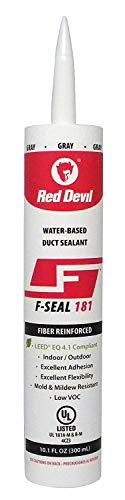
Best for high-durability applications. Solvent-based or fiber-enhanced formulas bridge larger gaps and withstand temperature swings. Well-specified for attic duct systems.
Aerosol Duct Sealing
Best for whole-home sealing where ducts are hidden. Applied by certified technicians using specialized equipment. Seals the entire system from inside, including inaccessible runs.
For most homeowners tackling accessible ducts, mid-range water-based mastic combined with premium fiber-reinforced mastic for large gaps delivers the best balance of performance and ease of use. Professional-grade aerosol sealing is the right choice when ducts are enclosed in walls or ceilings and demolition is not practical.
The Benefits of Airtight Ducts
Duct sealing is not just an efficiency measure. It touches nearly every aspect of indoor comfort and air quality. Here is what homeowners typically notice after a thorough sealing job:
- Consistent room temperatures: Every room receives the airflow the system was designed to deliver, eliminating hot and cold spots.
- Lower energy consumption: Shorter run cycles and reduced waste translate into noticeable utility savings over a full season.
- Better indoor air quality: Sealed return ducts stop pulling dust, insulation particles, and attic air into your breathing space.
- Improved humidity control: In summer, sealing supply ducts keeps cooled air from escaping before it dehumidifies rooms; sealing returns prevents humid outside air from entering.
- Reduced HVAC wear: The blower and compressor work less to move the same volume of conditioned air, extending equipment lifespan.
- Quieter operation: Whistling and whooshing sounds at vents disappear once leaks are closed.
These benefits compound over time. A well-sealed duct system remains efficient for years, and the improvement in air distribution often makes homes feel more comfortable at the same thermostat setting.
DIY Duct Sealing vs Professional Service
Homeowners with accessible ductwork can achieve meaningful results using mastic and foil tape. The key is patience and thoroughness: sealing 90 percent of leaks but missing the largest return-duct gap delivers only a fraction of the potential benefit.
Professional duct sealing becomes the better choice in three scenarios. First, when ducts are hidden behind finished walls or ceilings, aerosol sealing is the only non-destructive option. Second, when a duct blower test reveals leakage above 20 percent, a professional can prioritize the highest-impact leaks. Third, when the duct system includes complex zoning or a heat pump, proper sealing requires balancing airflow afterward to avoid pressurization issues.
For routine maintenance, combining DIY sealing of accessible joints with an annual professional inspection keeps the system in good shape. If you are also considering improvements to your cooling equipment itself, explore options for ductless air conditioning system installation as an alternative for homes where ductwork is fundamentally compromised.
When Duct Sealing Is Not Enough
Some homes reach a point where sealing cannot overcome decades of duct deterioration. Crushed flex duct, disconnected sections buried in walls, and ductwork sized for an older furnace may never deliver balanced airflow no matter how much sealant is applied. In these cases, homeowners often compare the long-term outlook of duct repair against ducted vs ductless systems.
Ductless mini-split systems eliminate duct losses entirely by delivering conditioned air directly into each room. For older homes without existing ducts, or for additions where extending the duct system is impractical, ductless options often make more sense than trying to seal a failing duct network. If your home already has ducts in good condition, sealing remains the more straightforward improvement. If the ducts are beyond repair, exploring ductless air conditioning for older homes provides a clear comparison point.
Ready to Improve Your AC Performance?
Duct sealing is one of the most effective upgrades for any central air system. Explore our recommended duct sealing products and accessories below to start your project with confidence.
VIEW RECOMMENDED PRODUCTSFrequently Asked Questions About Duct Sealing
How do I know if my air ducts are leaking?
Common signs include uneven room temperatures, high energy bills, dusty rooms, whistling sounds from vents, and visible gaps at duct joints. A professional duct blower test can confirm the exact leakage rate and identify the largest leak points before you begin sealing.
What is the best material for sealing air ducts?
Mastic sealant is the gold standard for rigid metal ducts because it stays flexible and bonds permanently. Foil-backed tape is a good secondary option for flex duct collars. Standard cloth duct tape should be avoided because it dries out and fails over time, especially in hot attics.
Can I seal my own air ducts?
Homeowners can seal accessible duct joints in attics, basements, and crawlspaces using mastic and foil tape. Ducts hidden inside walls or ceilings require professional aerosol sealing equipment. Always prioritize safety and never seal combustion appliance flues or exhaust vents.
How much energy can duct sealing save?
According to the U.S. Department of Energy, sealing and insulating ducts can improve heating and cooling efficiency by up to 20 percent or more, depending on the home's existing leakage and local climate. Homes with severely leaky ducts in unconditioned spaces see the largest improvements.
Should I seal ducts before or after insulating them?
Always seal first, then insulate. Sealing closes air leaks; insulation adds a thermal barrier. If you insulate over unsealed leaks, conditioned air still escapes and the insulation cannot perform its job. Seal all joints and seams, then wrap ducts in unconditioned spaces with duct insulation.