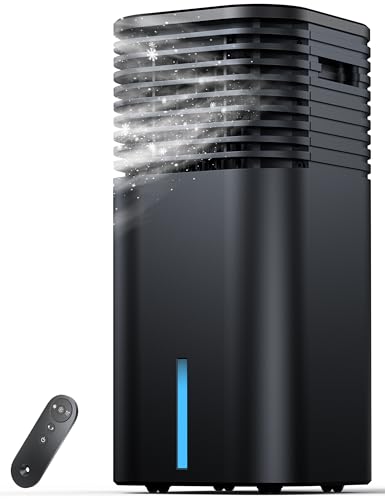
Energy Efficient Evaporative Cooler: The Complete Guide
Learn how evaporative coolers deliver natural, energy-saving comfort and how to pick the right model for your climate and space.
START LEARNINGWhy this guide matters: An evaporative cooler can dramatically reduce your cooling energy use compared to a traditional air conditioner — but only when it suits your climate and is sized correctly. This guide walks you through how these units work, where they shine, and how to choose a model that fits your home.
What Is an Energy Efficient Evaporative Cooler?
An evaporative cooler — often called a swamp cooler — cools air by passing it through water-saturated pads. As the air moves through the pads, water evaporates and absorbs heat, lowering the air temperature before it is delivered into your room. Unlike a compressor-based air conditioner, an evaporative cooler does not rely on refrigerants or a heavy compressor, which is why many models use a fraction of the electricity of a comparable AC unit.
The word "energy efficient" here is not just marketing. A well-built evaporative cooler uses a fan and a small water pump as its main power draw. When the design includes a high-efficiency motor, optimized airflow, and smart water management, the unit can deliver noticeable cooling with modest electricity use. That makes it a strong fit for dry climates where humidity is low and evaporation happens quickly.
It is important to understand the trade-off: evaporative cooling adds moisture to the air. In arid regions this is a welcome benefit, but in humid climates it can make rooms feel clammy and reduce comfort. If your area has high summer humidity, a high-efficiency air conditioning system is usually a better match. If your summers are dry and hot, an evaporative cooler can be a standout choice.
How Evaporative Cooling Works
The process is straightforward and easy to understand:
- Air intake: A fan pulls warm, dry outside air into the unit.
- Water saturation: The air passes through cooling pads that are kept wet by a pump and water distribution system.
- Evaporation: Water evaporates into the air stream, absorbing heat energy in the process.
- Cooled delivery: The now-cooler, slightly more humid air is pushed into your living space.
- Ventilation: Warm air and moisture exit through open windows or dedicated vents, keeping the cycle going.
Because the unit constantly brings in fresh outside air, it also improves ventilation. That is a different operating principle from a sealed air conditioner, which recirculates indoor air. This fresh-air design is one reason evaporative coolers are popular in workshops, garages, and dry-climate homes.
Key Benefits of an Energy Efficient Evaporative Cooler
Lower Electricity Draw
Most of the power goes to the fan and pump, not a compressor. A well-designed unit can cool a space with far less electrical load than a conventional AC.
No Refrigerants
Evaporative coolers avoid refrigerant circuits entirely, which simplifies maintenance and avoids refrigerant-related service needs.
Fresh Air Ventilation
Constant outdoor air intake helps refresh indoor air and can reduce stale-air problems in tightly built rooms.
Natural Humidity Boost
In dry climates, added moisture can improve comfort and reduce dry skin and respiratory irritation.
Simple Construction
Fewer mechanical parts than a compressor system means fewer complex failure points and easier routine servicing.
Eco-Friendly Operation
Using water evaporation instead of refrigerants gives these units a lighter environmental footprint in suitable climates.
Where Evaporative Coolers Work Best
Climate is the single most important factor. Evaporative cooling depends on the air's ability to absorb moisture, so it performs best in hot, dry regions. In the United States, that includes much of the Southwest, parts of the Mountain West, and other low-humidity zones. In these areas, an evaporative cooler can be a highly effective primary cooling method.
In humid climates, the air is already close to saturation, so evaporation slows and cooling performance drops. If you live in a humid region but still want efficient cooling, consider a high-efficiency ductless air conditioner or a high-efficiency mini-split system instead.
Evaporative coolers also suit semi-outdoor and transitional spaces such as garages, patios, workshops, and warehouses, where some humidity increase is acceptable and strong airflow is welcome.
Types of Evaporative Coolers
Evaporative coolers come in several form factors. Choosing the right type depends on your space, installation options, and how much airflow you need.
Portable Evaporative Coolers
Wheeled units that can move from room to room. They are the easiest to set up and work well for spot cooling in dry climates. Many portable models include adjustable louvers and multiple fan speeds.
Window Evaporative Coolers
Installed in a window opening, these units pull outside air and cool it before delivering it indoors. They offer stronger airflow than most portables and are a common choice for single rooms.
Whole-House Evaporative Coolers
Central systems that distribute cooled air through ductwork. They are the most capable option for dry-climate homes and can cool multiple rooms at once when properly sized.
Roof-Mounted Units
Common in the Southwest, roof-mounted coolers use a down-duct to deliver air into the home. They free up indoor space but require roof access for service.
What Makes an Evaporative Cooler Energy Efficient?
Not every evaporative cooler is equally efficient. Several design factors separate a well-engineered unit from a basic one:
- High-efficiency fan motor: A brushless or electronically commutated motor can move more air per watt than a basic motor.
- Optimized pad media: Rigid cellulose or synthetic pads with high saturation and airflow ratings improve cooling per unit of fan energy.
- Variable fan speeds: Running at a lower speed when full output is not needed reduces electricity use and noise.
- Smart water management: Timed water cycles and bleed-off controls prevent wasteful water use and keep pads effective.
- Good airflow design: Smooth ducting and well-placed outlets reduce pressure losses, so the fan does not have to work as hard.
- Thermostat and timer controls: Programmable operation avoids running the unit when the space is unoccupied.
When comparing models, look for published airflow ratings and motor specifications. A unit that delivers strong airflow at a lower wattage is generally the more efficient choice for its class. You can also read more general guidance in our HVAC energy efficiency overview.
Sizing an Evaporative Cooler Correctly
Sizing is critical for both comfort and efficiency. An undersized unit will run constantly without reaching a comfortable temperature, while an oversized unit may cool too aggressively and add more humidity than needed. For evaporative coolers, sizing is typically based on airflow measured in cubic feet per minute (CFM), not BTU.
A common rule of thumb is to provide roughly 2 to 3 CFM per square foot of living space for typical ceiling heights, then adjust upward for high ceilings, sunny exposures, or open floor plans. For a more detailed method, see our guide on how to size a cooling system and adapt the airflow figures to evaporative cooler ratings.
Also account for the number and placement of open windows or vents. Evaporative coolers need a relief path for air to escape; without it, airflow and cooling performance suffer.
Installation and Placement Tips
Where you place an evaporative cooler affects how well it performs:
- Position portable units near an open window or door so they can draw in fresh outside air and exhaust warm air.
- Keep the unit out of direct sunlight when possible; a shaded intake improves cooling performance.
- For window and whole-house units, ensure the intake side has unobstructed access to outside air.
- Check that the relief vents or open windows are on the opposite side of the space for cross-ventilation.
- For ducted systems, confirm duct sizing and sealing to avoid pressure losses. Our ductwork design guide covers the basics.
If you are installing a roof-mounted or whole-house cooler, professional installation is strongly recommended. Electrical connections, roof penetrations, and ductwork are best handled by qualified technicians.
Maintenance for Long-Term Efficiency
Regular maintenance keeps an evaporative cooler running efficiently and extends its service life:
Replace Cooling Pads
Worn or mineral-clogged pads reduce cooling and increase fan strain. Replace them at the start of each cooling season.
Clean the Water Tank
Drain and clean the reservoir regularly to prevent scale buildup and odors. A clean tank supports consistent evaporation.
Check the Pump and Distribution
Make sure water flows evenly across the pads. Uneven wetting causes hot spots and wasted airflow.
Inspect the Fan and Belt
Lubricate moving parts as recommended and check belt tension on belt-driven models to avoid energy loss.
Seal the Ductwork
Leaky ducts waste cooling and increase runtime. Seal joints and check insulation on exposed runs.
Winterize the Unit
Drain water lines and cover the unit during freezing months to prevent damage and prepare for the next season.
For broader seasonal maintenance routines, our seasonal cooling checklist is a helpful companion.
Evaporative Cooler vs Air Conditioner: A Practical Comparison
Understanding the differences helps you choose the right system for your home:
| Factor | Evaporative Cooler | Air Conditioner |
|---|---|---|
| Best climate | Hot, dry climates | Any climate, including humid regions |
| Humidity effect | Adds moisture to the air | Dehumidifies the air |
| Air source | Constant fresh outdoor air | Recirculated indoor air |
| Refrigerant | None | Uses refrigerant |
| Mechanical complexity | Relatively simple | More complex compressor system |
| Maintenance focus | Pads, water tank, pump | Filters, coils, refrigerant circuit |
| Ventilation requirement | Needs open windows or relief vents | Works with closed windows |
If you are weighing ducted versus ductless options for a more conventional system, our ductless vs ducted comparison is a useful next read.
Choosing the Right Energy Efficient Evaporative Cooler
Use this practical checklist when evaluating models:
- Confirm your climate: Evaporative cooling works best in dry regions. Check average summer humidity before committing.
- Match airflow to your space: Use CFM ratings and room size to select an appropriately sized unit.
- Look at the motor: A high-efficiency fan motor usually signals a more energy-conscious design.
- Review pad quality: Rigid, high-saturation pads improve cooling and last longer.
- Check controls: Variable speeds, timers, and thermostats make it easier to run efficiently.
- Consider installation: Portable and window units are easier to set up; whole-house units need professional installation.
- Plan for ventilation: Make sure your space can support the required relief air path.
If you want to compare this approach with other efficient systems, explore our high-efficiency heating and cooling resources and our guide to energy-efficient air conditioning systems.
Common Mistakes to Avoid
- Using an evaporative cooler in a humid climate: Performance drops sharply when the air is already moist.
- Undersizing the unit: Too little airflow means constant runtime and uneven comfort.
- Closing all windows: Evaporative coolers need a relief path; sealed rooms choke airflow.
- Neglecting pad replacement: Clogged pads reduce cooling and force the fan to work harder.
- Ignoring duct leaks: Leaky ducts waste cooling and undermine efficiency in whole-house systems.
- Skipping seasonal service: A little maintenance at the start of the season prevents bigger problems later.
Frequently Asked Questions
Is an evaporative cooler more energy efficient than an air conditioner?
In dry climates, a well-designed evaporative cooler typically uses less electricity than a comparable air conditioner because it relies on a fan and pump rather than a compressor. Efficiency depends on model design, sizing, and how it is operated.
Can I use an evaporative cooler in a humid climate?
It is not recommended. High humidity slows evaporation and reduces cooling performance. In humid regions, a conventional air conditioner or a dehumidifying system is usually a better fit.
Do evaporative coolers need open windows?
Yes. They need a relief path for warm, moist air to escape. Opening a window or using dedicated vents on the opposite side of the space supports proper airflow.
How often should cooling pads be replaced?
Most manufacturers recommend replacing pads at the start of each cooling season, or sooner if they are clogged with mineral deposits or visibly worn.
Can an evaporative cooler cool an entire house?
Yes, whole-house evaporative coolers distribute cooled air through ductwork and can cool multiple rooms in dry climates when properly sized and installed.
Does an evaporative cooler improve indoor air quality?
Because it constantly brings in fresh outdoor air, it can improve ventilation. However, pad maintenance and a clean water supply are essential to avoid odors or poor air quality.
Final Thoughts
An energy efficient evaporative cooler can be an excellent cooling solution for homes in dry climates. It delivers natural, fresh-air comfort with a simpler mechanical design than a compressor-based air conditioner. The key is to match the technology to your climate, size the unit correctly, and maintain it consistently.
If your environment is humid or you need year-round humidity control, explore efficient alternatives such as high-efficiency split air conditioners or a high-efficiency ductless system. If your climate is dry, an evaporative cooler may be the most sensible and efficient choice for your home.