Energy Recovery Ventilation System: Complete Guide for Homes
Discover how an energy recovery ventilation system delivers fresh outdoor air while retaining heat and moisture, improving indoor air quality and comfort in airtight homes.
Why this matters: Modern homes are built tighter than ever to improve energy efficiency, but that also traps stale air, moisture, and indoor pollutants. An energy recovery ventilation system balances fresh air intake with energy retention, giving you cleaner air without sacrificing comfort or efficiency.
What Is an Energy Recovery Ventilation System?
An energy recovery ventilation system (ERV) is a mechanical ventilation unit that continuously exchanges stale indoor air with fresh outdoor air. Unlike a simple exhaust fan, an ERV uses a heat-exchange core to transfer heat and moisture between the outgoing and incoming airstreams. This means the fresh air entering your home is pre-conditioned, reducing the load on your heating and cooling equipment.
ERVs are especially valuable in homes that are tightly sealed for energy efficiency. Without proper ventilation, these homes can suffer from excess humidity, lingering odors, and elevated levels of volatile organic compounds (VOCs). An ERV solves this by providing controlled, balanced ventilation while recovering energy that would otherwise be lost.
How an ERV Works
The core of an ERV is its enthalpy exchange core. Two separate airstreams pass through the core without mixing: one brings fresh outdoor air in, the other exhausts stale indoor air out. As they pass, the core transfers heat and moisture from the warmer, more humid airstream to the cooler, drier one. In summer, this means incoming hot, humid air is cooled and dehumidified by the outgoing conditioned air. In winter, incoming cold, dry air is warmed and humidified by the outgoing indoor air.
The system typically includes fans, filters, and ductwork connected to multiple rooms. Many modern ERVs offer variable-speed fans and smart controls that adjust airflow based on occupancy or indoor air quality sensors.
Balanced Ventilation
Supplies and exhausts equal amounts of air, preventing pressure imbalances that can draw in pollutants from attics or crawl spaces.
Heat and Moisture Recovery
Retains a significant portion of heat and humidity, keeping indoor comfort stable and reducing HVAC workload.
Filtration
Built-in filters capture dust, pollen, and other particulates before fresh air enters your living spaces.
Smart Controls
Many units integrate with home automation systems and IAQ sensors for automatic airflow adjustment.
ERV vs HRV: What's the Difference?
Both ERVs and heat recovery ventilators (HRVs) provide balanced mechanical ventilation, but they differ in what they transfer between airstreams. An ERV transfers both heat and moisture, while an HRV transfers heat only. Your climate and indoor humidity levels determine which is the better fit.
| Feature | ERV (Energy Recovery Ventilator) | HRV (Heat Recovery Ventilator) |
|---|---|---|
| Transfers heat | Yes | Yes |
| Transfers moisture | Yes | No |
| Best climate | Humid summers, cold winters, mixed climates | Dry climates with low humidity |
| Indoor humidity control | Retains moisture in winter, reduces it in summer | No moisture regulation |
| Typical use | Tightly built homes in humid or mixed climates | Homes in arid regions or where moisture is not a concern |
Benefits of Installing an ERV
- Improved indoor air quality: Continuous fresh air dilution reduces VOCs, odors, and CO₂ buildup.
- Moisture control: Helps prevent mold and condensation by managing indoor humidity levels.
- Energy efficiency: Recovers heat and moisture, reducing the load on your heating and cooling system.
- Balanced pressure: Avoids negative pressure that can pull in unconditioned air from attics or garages.
- Year-round comfort: Pre-conditioned fresh air feels less drafty and more comfortable than raw outdoor air.
- Quiet operation: Modern ERVs run quietly, often below 1 sone on low speed.
For homeowners also considering ductless solutions, an ERV can complement a ductless mini-split AC by ensuring fresh air without opening windows.
Types of Energy Recovery Ventilation Systems
1. Whole-House ERV
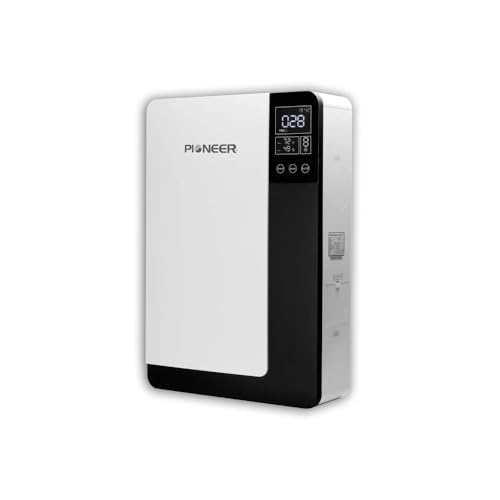
A whole-house ERV is ducted into your home's HVAC system or runs independent ductwork to multiple rooms. It provides balanced ventilation across the entire home and is the most common choice for new construction and major renovations.
2. Localized ERV
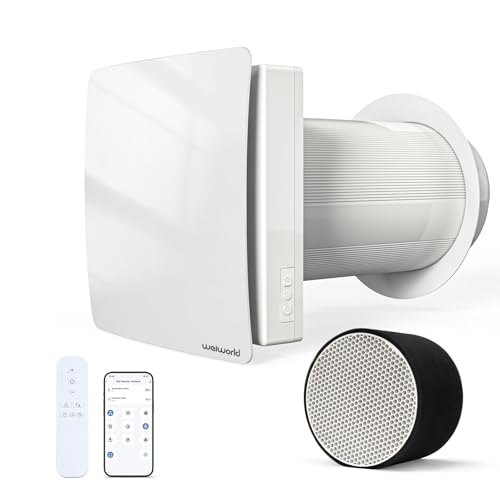
Localized or single-room ERVs are compact units installed through a wall, serving one room or a small zone. They are ideal for retrofits, apartments, or homes without existing ductwork.
3. ERV with Integrated Filtration
Some premium ERVs include high-efficiency filters (MERV 13 or higher) to capture fine particulates, making them a good fit for allergy sufferers or homes near busy roads.
How to Size an ERV for Your Home
Proper sizing ensures the ERV delivers adequate fresh air without over-ventilating. Most professionals follow ASHRAE 62.2, which bases ventilation rates on the number of bedrooms and conditioned floor area. As a general rule, a typical three-bedroom home requires roughly 60–80 CFM of continuous ventilation, but exact requirements vary.
If you are planning a larger HVAC upgrade alongside ventilation, reviewing complete HVAC system with ductwork considerations can help you coordinate ERV ducting with your existing or new system layout.
- Count bedrooms and measure conditioned square footage.
- Use ASHRAE 62.2 tables or a ventilation calculator.
- Account for bathroom and kitchen exhaust requirements.
- Choose an ERV with adjustable fan speeds to match required CFM.
- Consult a qualified HVAC professional for a precise calculation.
Installation Considerations
ERV installation requires careful planning. The unit should be located in a conditioned space, such as a basement, utility closet, or attic with proper insulation. Ductwork must be sealed and insulated to prevent condensation and energy loss. Balancing dampers ensure equal supply and exhaust airflow, and a drain may be needed for moisture removal in humid climates.
If your home already has ductwork, integrating an ERV may be straightforward. Homes without ducts may benefit from a ductless heat pump system paired with a localized ERV for fresh air.
Maintenance Tips for Long-Term Performance
- Replace or clean filters every 3–6 months, depending on use and outdoor air quality.
- Inspect and clean the enthalpy core annually according to manufacturer instructions.
- Check ductwork for leaks and insulation integrity each year.
- Clean exterior intake and exhaust hoods to prevent blockage from debris or snow.
- Schedule professional servicing every 2–3 years to verify airflow balance and fan operation.
Is an ERV Right for Your Home?
An ERV is a strong choice if your home is tightly built, you live in a humid or mixed climate, and you want fresh air without losing conditioned energy. If your home is drafty or you live in an arid climate, an HRV may be more appropriate. In all cases, a professional energy assessment can confirm whether mechanical ventilation is needed and which type fits best.
Ready to Improve Your Indoor Air Quality?
Explore top-rated energy recovery ventilation systems and compare features to find the right fit for your home.
View Recommended ERV SystemsFrequently Asked Questions
What is an energy recovery ventilation system?
An energy recovery ventilation system is a mechanical ventilation unit that continuously brings fresh outdoor air into a home while exhausting stale indoor air. It transfers heat and moisture between the two airstreams, reducing the energy needed to condition incoming air.
What is the difference between an ERV and an HRV?
An ERV transfers both heat and moisture between airstreams, making it ideal for humid or cold climates. An HRV transfers heat only, which suits dry climates where moisture control is not a priority.
Do I need an ERV in my home?
Homes built to modern airtight standards often need mechanical ventilation to remove stale air, moisture, and pollutants. An ERV is a strong choice if you also want to retain heat and humidity while maintaining fresh indoor air.
How is an ERV sized for a home?
Sizing is typically based on the number of bedrooms and floor area, following ventilation standards such as ASHRAE 62.2. A qualified HVAC professional can calculate the required airflow rate for your home.
Can an ERV work with my existing HVAC system?
Yes. Many whole-house ERVs are designed to integrate with existing forced-air HVAC systems, sharing ductwork or running as a separate ventilation circuit. A professional installer can confirm compatibility.