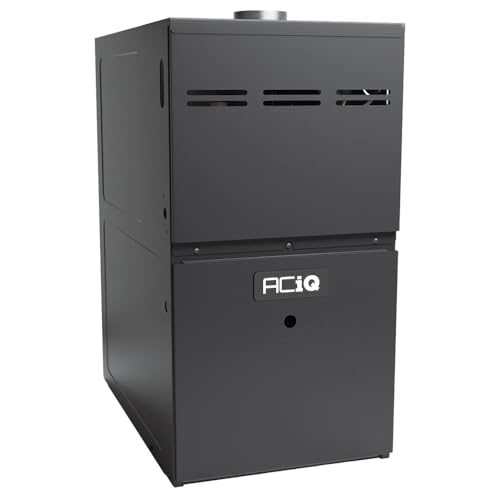
Gas Furnace with Air Conditioner: The Complete Guide to Combo Systems
Discover how a gas furnace and air conditioner work together to deliver year-round comfort, what to consider before installation, and how to maintain your system for reliable performance.
START LEARNINGAC Units Guide Philosophy: A heating and cooling combo is a long-term investment in home comfort. Understanding how the components interact helps you make informed decisions, choose the right configuration for your home, and avoid costly mistakes during installation and maintenance.
What Is a Gas Furnace with Air Conditioner System?
A gas furnace with air conditioner system is a split HVAC configuration where a gas-fired furnace handles heating and a separate air conditioning unit handles cooling. Both components share the same ductwork, thermostat, and air distribution network, making them a practical and widely adopted solution for homes across North America.
The furnace burns natural gas or propane to warm air, which is then circulated through the ductwork by a blower. During warmer months, the air conditioner — typically a split-system condenser and evaporator coil — cools and dehumidifies the air using the same duct pathways. The thermostat coordinates which component operates based on the indoor temperature setting.
This configuration is especially common in regions with distinct heating and cooling seasons. It allows homeowners to benefit from the high heating output of gas furnaces during winter and the efficient cooling of modern air conditioners during summer. For a broader comparison of alternatives, explore heat pump vs air conditioner to understand how heat pumps differ from traditional furnace-plus-AC setups.
How the Furnace and AC Work Together
Understanding the interaction between the two systems helps you appreciate why proper sizing, installation, and maintenance matter. Here is how the components cooperate:
- Shared Thermostat: A single thermostat controls both heating and cooling modes. When the indoor temperature drops below the setpoint in winter, the furnace activates. In summer, when the temperature rises, the air conditioner engages.
- Shared Ductwork: Conditioned air — whether heated or cooled — travels through the same ducts and registers. This eliminates the need for separate distribution systems and keeps the installation footprint compact.
- Blower Motor: The furnace's blower circulates air during both heating and cooling cycles. In cooling mode, the blower moves air across the evaporator coil, where heat and moisture are removed.
- Evaporator Coil: The evaporator coil is typically mounted above or inside the furnace cabinet or plenum. Refrigerant absorbs heat from the indoor air, and the cooled air is distributed through the ducts.
- Condenser Unit: The outdoor condenser releases absorbed heat into the atmosphere, completing the refrigeration cycle.
Because the systems share critical infrastructure, choosing compatible components and ensuring correct installation is essential. Learn more about the installation process in our guide on furnace and AC installation.
Benefits of a Gas Furnace and AC Combo
Homeowners choose gas furnace and air conditioner combos for several practical reasons. The table below summarizes the primary advantages:
| Benefit | Explanation | Best For |
|---|---|---|
| Year-Round Comfort | Provides reliable heating in winter and efficient cooling in summer from a single integrated system. | Homes in climates with distinct seasons |
| Shared Ductwork | Eliminates the need for separate distribution systems, reducing installation complexity and space requirements. | Existing homes with ducted HVAC |
| Fast Heating Output | Gas furnaces deliver strong, immediate heating, which is ideal for cold climates and quick temperature recovery. | Cold-winter regions |
| Proven Reliability | Both gas furnaces and split-system air conditioners are mature, well-understood technologies with abundant service support. | Homeowners prioritizing dependable performance |
| Flexible Efficiency Tiers | Entry-level, mid-range, and high-end tier options allow homeowners to match performance and efficiency to their priorities. | Various comfort and efficiency goals |
Consistent Air Circulation
The shared blower and duct system promotes even air distribution throughout the home, reducing hot and cold spots.
Simplified Maintenance
Both systems are serviced by the same HVAC technician during routine tune-ups, streamlining maintenance scheduling.
Established Technology
Gas furnaces and split AC systems are well-supported by parts availability, service networks, and manufacturer warranties.
Key Components of the System
A gas furnace with air conditioner system comprises several essential components. Understanding each part helps you communicate effectively with technicians and make informed decisions during service or replacement.
1. Gas Furnace
The furnace is the heating core of the system. It includes a burner assembly, heat exchanger, blower motor, flue or venting system, and control board. Modern furnaces are available in single-stage, two-stage, and variable-speed configurations. Entry-level models typically use single-stage operation, while mid-range and high-end tier units offer more nuanced temperature control and quieter operation.
Regular furnace maintenance — including filter changes and annual inspections — keeps the system safe and efficient. Explore our guide on furnace and air conditioner tune-up for a seasonal checklist.
2. Air Conditioner (Condenser and Evaporator Coil)
The air conditioning side consists of an outdoor condenser unit and an indoor evaporator coil. The condenser houses the compressor and condenser coil, while the evaporator coil is mounted in the indoor air handler or furnace plenum. Refrigerant circulates between the two, transferring heat from indoors to outdoors.
Proper sizing and refrigerant charge are critical for efficient operation. Our article on how to size an air conditioner explains capacity calculation in detail.
3. Ductwork and Air Distribution
Ductwork carries conditioned air from the furnace and evaporator coil to the rooms. Leaky or poorly insulated ducts waste energy and reduce comfort. Sealing and insulating ducts is one of the most effective ways to improve overall system performance.
4. Thermostat and Controls
The thermostat serves as the system's command center. Programmable and smart thermostats allow scheduling and remote control, helping homeowners manage comfort and energy use. Proper thermostat placement and configuration contribute to stable temperatures and reduced cycling.
Installation Considerations
Installing a gas furnace with air conditioner requires careful planning. Several factors influence the installation approach, timeline, and overall complexity:
- Load Calculation: A professional Manual J load calculation determines the correct heating and cooling capacity for your home. Oversized or undersized systems lead to inefficiency, uneven comfort, and premature wear.
- Ductwork Assessment: Existing ducts must be inspected for leaks, insulation, and proper sizing. In some cases, duct modifications or sealing are necessary to support the new system.
- Electrical and Gas Connections: The furnace requires a gas supply line and electrical connections. The air conditioner requires a dedicated electrical circuit. Permits and inspections may be required depending on local codes.
- Component Compatibility: The furnace blower must be compatible with the evaporator coil and the air conditioner's airflow requirements. A matched system ensures optimal performance and warranty compliance.
- Placement and Clearances: The outdoor condenser needs adequate clearance for airflow, and the furnace requires proper venting and clearance from combustible materials.
For a detailed breakdown of the installation process, see our guide on furnace and AC installation. If you are considering a replacement rather than a new installation, our article on high-efficiency furnace and air conditioner covers efficiency considerations.
Efficiency and Market Tiers
Gas furnaces and air conditioners are available across multiple market tiers, each offering different levels of efficiency, features, and build quality. Rather than focusing on specific figures, it helps to understand how the tiers compare in relative terms.
Furnace Tiers
| Tier | Characteristics | Best For |
|---|---|---|
| Entry-Level | Single-stage operation, standard blower, basic controls, durable construction. | Homeowners seeking dependable heating with straightforward operation. |
| Mid-Range | Two-stage or basic variable-speed operation, quieter blower, improved efficiency. | Households prioritizing comfort and reduced temperature swings. |
| High-End Tier | Fully variable-speed blower, advanced controls, premium materials, quiet operation. | Homeowners seeking top-tier comfort and efficiency in the long run. |
Air Conditioner Tiers
| Tier | Characteristics | Best For |
|---|---|---|
| Essential Tier | Single-stage compressor, standard efficiency, solid build. | Straightforward cooling for moderate climates. |
| Balanced Tier | Two-stage or inverter-driven compressor, improved efficiency, quieter operation. | Homeowners balancing comfort and efficiency. |
| Top-Tier | Variable-speed compressor, high efficiency, advanced humidity control. | Premium comfort and long-term efficiency goals. |
When pairing a furnace and air conditioner, matching tier levels is not strictly required, but a balanced approach often delivers predictable performance. A mid-range furnace paired with a balanced-tier air conditioner is a common configuration for homeowners seeking solid performance across both seasons.
Maintenance for Long-Term Reliability
Routine maintenance extends the life of both the furnace and the air conditioner and helps prevent costly breakdowns. Key maintenance tasks include:
- Filter Replacement: Change or clean air filters every one to three months, depending on usage and filter type. A clogged filter restricts airflow and strains the blower motor.
- Annual Furnace Inspection: Schedule a professional inspection before each heating season to check the heat exchanger, burners, and venting system for safety and efficiency.
- AC Tune-Up: Have the air conditioner serviced before summer to verify refrigerant charge, clean coils, and check electrical connections.
- Duct Inspection: Periodically inspect ductwork for leaks, disconnected sections, and insulation damage.
- Thermostat Calibration: Verify that the thermostat reads accurately and that schedules align with your routine.
For a comprehensive seasonal checklist, refer to our guide on furnace and air conditioner tune-up. If you notice uneven heating or cooling, unusual noises, or increased energy use, consider scheduling a professional service visit. Our article on furnace and air conditioning service explains what to expect during a service call.
Common Issues and Troubleshooting
Even well-maintained systems can develop issues over time. Recognizing early warning signs helps you address problems before they escalate:
| Symptom | Possible Cause | Suggested Action |
|---|---|---|
| Furnace not heating | Thermostat settings, pilot light, gas supply, or igniter issue | Check thermostat and gas supply; call a technician if the issue persists |
| AC not cooling | Low refrigerant, clogged filter, or compressor issue | Replace filter and schedule professional diagnosis |
| Weak airflow | Duct leaks, blocked registers, or blower problem | Inspect ducts and registers; have the blower checked |
| Unusual noises | Loose components, motor wear, or debris | Schedule an inspection to identify the source |
| High humidity indoors | AC oversized, short cycling, or airflow issues | Verify sizing and have the system evaluated |
If your furnace is blowing cold air during heating mode, our guide on gas furnace blowing cold air covers common causes and solutions. For broader system issues, see furnace not blowing cold air.
Replacement vs Repair: When to Decide
Deciding whether to repair or replace a furnace or air conditioner depends on age, condition, and the nature of the problem. As a general guideline:
- Repair: Appropriate for newer systems under warranty with isolated component failures.
- Replace: Consider replacement when the system is near the end of its expected lifespan, requires major component replacement (such as a compressor or heat exchanger), or has a history of recurring issues.
- Replace Both Simultaneously: If one component fails and the other is aging, replacing both at once can improve overall efficiency and ensure compatibility. Explore high-efficiency furnace and air conditioner options for modern replacements.
A qualified HVAC technician can assess your system and provide a recommendation based on condition, age, and performance data.
Sizing and Compatibility Essentials
Proper sizing is one of the most important factors in system performance. An oversized air conditioner cools too quickly without removing adequate humidity, while an undersized unit struggles to maintain set temperatures during peak conditions. Similarly, an oversized furnace cycles frequently, reducing efficiency and comfort.
Professional load calculations consider square footage, insulation levels, window area, occupancy, and local climate. For a detailed explanation, see how to size an air conditioner. When replacing one component, verify compatibility with the existing system — particularly the blower capacity and evaporator coil match.
For homes with unique requirements, such as mobile homes, specialized configurations may be necessary. Our guide on furnace and air conditioner for mobile home covers considerations for manufactured housing.
Ready to Explore Your Options?
Browse our curated selection of gas furnace and air conditioner combos, or continue learning with our in-depth guides on installation, maintenance, and system selection.
VIEW RECOMMENDED SYSTEMS