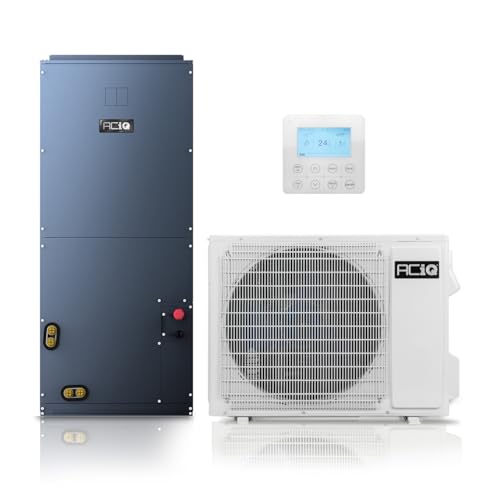
High Efficiency Air Conditioning System: The Complete Buyer's Guide
Understand SEER2 ratings, variable-speed technology, and system types so you can choose a high efficiency air conditioning system that delivers lasting comfort and lower energy use.
Start LearningWhy efficiency matters: A high efficiency air conditioning system is engineered to convert more electricity into cooling than a standard unit. For households that run the AC for long stretches, that difference translates into noticeably lower energy consumption, quieter operation, and more consistent indoor temperatures. This guide explains what makes a system efficient, how to compare models, and how to match one to your home.
What Makes an Air Conditioning System "High Efficiency"?
Efficiency in air conditioning is measured by how much cooling a system delivers per unit of electricity consumed. The modern benchmark is the SEER2 rating (Seasonal Energy Efficiency Ratio 2), which replaced the original SEER standard in 2023 after the U.S. Department of Energy updated its testing procedures to reflect real-world duct pressure. A higher SEER2 number means the unit produces more cooling for every watt of power it draws.
Beyond the rating itself, several hardware characteristics define a genuinely high efficiency system. Variable-speed compressors and electronically commutated (ECM) blower motors let the equipment modulate output rather than cycling on and off at full blast. Two-stage or inverter-driven compressors run at lower, steadier speeds for most of the day, which reduces wear and keeps humidity in check. Premium models add electronic expansion valves, enhanced coil surface area, and smart refrigerant charge monitoring to squeeze out additional performance.
The U.S. DOE sets minimum SEER2 thresholds by region. In northern states, split systems must meet at least 14.0 SEER2, while southern and southwestern states require 15.2 SEER2 for the same equipment. ENERGY STAR certification pushes the bar higher, and top-tier systems routinely exceed 20 SEER2. If you are comparing options, our guide to the highest efficiency air conditioner units breaks down how the leading categories stack up.
Core Technologies Behind High Efficiency Cooling
Efficiency gains come from several interacting technologies. Understanding each one helps you evaluate spec sheets and ask better questions during a consultation.
Variable-Speed & Inverter Compressors
Instead of shutting off entirely, the compressor ramps down to a low, steady speed once the room reaches the target temperature. This avoids the energy spike of a full restart and holds humidity at a more comfortable level.
ECM Blower Motors
Electronically commutated motors use far less electricity than traditional PSC motors and can adjust speed precisely. The result is quieter operation and less wasted fan energy over a full cooling season.
Enhanced Coil Design
Larger, more densely finned evaporator and condenser coils improve heat transfer, allowing the system to remove more heat with less compressor effort. Microchannel coils in premium models add further gains.
Modern Low-GWP Refrigerants
Newer systems use R-32 or R-454B, which have lower global warming potential than R-410A. These refrigerants also support slightly higher efficiency in optimized system designs.
Smart Thermostats & Zoning
Programmable and learning thermostats pair with the system's modulation to avoid overcooling. Zone control directs conditioned air only to occupied rooms, reducing waste.
Sealed & Insulated Ductwork
Even the best outdoor unit underperforms if ducts leak or sweat. Properly sealed, insulated ducts ensure conditioned air reaches the rooms instead of escaping into attics or crawlspaces.
Types of High Efficiency Air Conditioning Systems
Efficiency potential varies by system architecture. The right choice depends on whether your home already has ductwork, how many rooms you need to cool, and how much installation complexity you can accommodate. Here is how the main categories compare.
High Efficiency Central AC
A split-system with an outdoor condenser and indoor coil connected to a whole-house duct network. Top-tier central units reach SEER2 ratings above 20 and pair well with variable-speed air handlers. Best for homes with existing ducts and a need to cool multiple rooms at once.
Ductless Mini-Split
An outdoor compressor connected to one or more wall-mounted indoor heads. Mini-splits avoid duct losses entirely, so their rated efficiency is more closely matched by real-world performance. High-end models with inverter compressors are among the most efficient systems available. See our overview of ductless heating and air conditioning units for a deeper comparison.
High Efficiency Window AC
Modern window units have improved dramatically, with inverter-driven models reaching EER ratings above 12. They remain the simplest path to efficient single-room cooling where ductwork or permanent installation is not practical.
High Efficiency Portable AC
Portable units are convenient but generally less efficient than window or mini-split systems because of heat gain through the exhaust hose and window kit. Choose dual-hose designs and inverter compressors to minimize the efficiency gap.
If your home lacks ductwork and you want a whole-house solution, a high efficiency split system air conditioning setup or a multi-zone mini-split can deliver comfort without a major renovation. For homes with ducts, upgrading to a matched high efficiency condensing unit and air handler is usually the most straightforward path.
Efficiency Tiers: How to Position Your Options
Product lines are typically organized into tiers that reflect relative efficiency and build quality. The table below uses universal tier descriptors rather than numeric figures so you can apply the framework to any brand or region.
| Tier | Typical SEER2 Range | Best For |
|---|---|---|
| Entry-Level | Meets regional minimum (14.0–15.2) | Occasional cooling, mild climates, tight installation budgets |
| Mid-Range | 16–18 | Daily use in moderate climates, homeowners seeking a balanced upgrade |
| High-End Tier | 18–22 | Long cooling seasons, humid climates, households running AC for many hours |
| Premium | 22+ | Maximum efficiency, quiet operation, smart features, sustainable long-term investment |
Entry-level systems meet code but leave efficiency gains on the table. Mid-range models offer a solid step up with two-stage or basic inverter compressors. The high-end tier is where variable-speed technology and advanced coil designs become standard, delivering the strongest balance of comfort and efficiency for most households. Premium systems push efficiency further and often include diagnostic features, enhanced filtration, and quieter operation. For a broader view of how these classes fit together, our high efficiency air conditioner units guide walks through the trade-offs.
Sizing a High Efficiency System Correctly
An oversized air conditioner cools a room quickly but short-cycles, which leaves humidity high and wastes energy. An undersized unit runs constantly without reaching the setpoint. Correct sizing is a prerequisite for realizing any efficiency advantage. A proper Manual J load calculation accounts for square footage, ceiling height, window area and orientation, insulation levels, duct leakage, and local climate data.
As a rough starting point, many homes need roughly 20 BTU of cooling capacity per square foot of conditioned space, but that figure shifts substantially with sun exposure, occupancy, and construction quality. A north-facing, well-insulated room may need less; a west-facing kitchen with large windows may need more. Use a room-by-room BTU calculator by room size to build an initial estimate, then confirm with a contractor's load calculation before finalizing equipment selection.
Installation Factors That Protect Efficiency
A high efficiency system only performs at its rated level when installed correctly. The following items are worth confirming with your installer before work begins.
- Matched components: The outdoor condenser, indoor coil, and air handler should be an approved matched set. Mixing components from different efficiency tiers can void ratings and reduce performance.
- Proper refrigerant charge: Overcharging or undercharging the system reduces capacity and efficiency. A certified technician should verify charge using the manufacturer's specified method.
- Sealed and insulated ductwork: Duct leakage in attics or crawlspaces can waste a significant portion of cooling energy. Sealing and insulating ducts is often the highest-return step in a whole-home efficiency upgrade.
- Correct line set length and routing: Excessively long or poorly routed refrigerant lines reduce capacity. Follow the manufacturer's maximum line length and elevation specifications.
- Adequate return air: Restricted return airflow forces the blower to work harder and can cause coil freezing. Ensure return grilles and ducts are sized to the system's airflow requirements.
- Commissioning and testing: Ask for measured airflow, refrigerant superheat/subcooling, and static pressure readings at startup. These confirm the system is running as designed.
If you are also upgrading your heating side, pairing a high efficiency air conditioner with a matching furnace yields the best results. Our guide to high efficiency furnace and air conditioner combinations explains how to coordinate the two.
Maintaining Peak Efficiency Over Time
Efficiency degrades gradually if maintenance is neglected. Dirty coils, clogged filters, and low refrigerant charge each add load to the compressor and erode the advantages you paid for. A simple routine keeps performance close to rated levels.
Replace or clean the air filter every one to three months depending on household dust and pet levels. Schedule professional coil cleaning and a full system inspection annually, ideally in spring before the cooling season begins. Keep the outdoor unit clear of debris, vegetation, and shade obstructions so it can reject heat effectively. If you notice rising energy use or reduced cooling, address it promptly rather than waiting for a breakdown. Our AC not cooling troubleshooting guide covers the most common causes and when to call a technician.
Incentives and Long-Term Value
Many utilities and state programs offer rebates or tax credits for qualifying high efficiency systems, particularly those that meet or exceed ENERGY STAR thresholds. These incentives vary widely by location and program year, so check with your local utility and a qualified contractor before assuming eligibility. Beyond incentives, the long-term case for a high efficiency system rests on reduced electricity consumption, fewer repairs over the equipment's lifespan, and more stable indoor comfort. For a broader look at how a high efficiency HVAC system fits into a whole-home plan, see our high efficiency HVAC system overview.
Ready to Explore High Efficiency Options?
Browse curated high efficiency air conditioning systems and compare features, tiers, and configurations side by side.
View Recommended SystemsFrequently Asked Questions
What SEER2 rating qualifies as high efficiency?
For most split-system air conditioners, a SEER2 rating of 16 or higher is generally considered high efficiency. ENERGY STAR certified models in the northern US typically require SEER2 of 15.2 or above, while southern states require 16.2 or higher. Premium and top-tier models often reach SEER2 ratings of 18 to 25 or more.
Is a high efficiency air conditioning system worth the investment?
A high efficiency system uses significantly less electricity to deliver the same cooling output compared to a standard single-stage unit. Over its lifespan, the reduced energy consumption and lower repair frequency often offset the higher upfront tier investment. The exact payback period depends on climate, usage hours, and local electricity rates.
What is the difference between SEER and SEER2?
SEER2 is the updated testing standard introduced by the DOE in 2023. It uses more realistic external static pressure conditions that better reflect real-world ductwork. As a result, SEER2 ratings are typically about 4 to 5 percent lower than the older SEER ratings for the same equipment.
Do high efficiency AC systems require special maintenance?
High efficiency systems benefit from the same routine maintenance as standard units, including regular filter changes, coil cleaning, and annual professional inspections. However, because they contain more sophisticated components such as variable-speed compressors and electronic expansion valves, prompt servicing is especially important to preserve their efficiency advantages.
Can I pair a high efficiency AC with an existing furnace?
In many cases, yes, provided the indoor coil and furnace are compatible with the new outdoor unit. However, pairing a high efficiency AC with an older, lower-efficiency furnace may limit overall system performance. For the best results, consider a matched high efficiency furnace and air conditioner combination.