
How Can I Lower the Humidity in My House?
High indoor humidity is more than just uncomfortable—it's a breeding ground for mold, dust mites, and structural damage. Discover our complete, actionable guide to reclaiming a dry, healthy, and comfortable home.
Why Humidity Matters: Ideal indoor relative humidity is between 30% and 50%. Any higher, and your home becomes susceptible to condensation on windows, musty odors, warped wood, and worsened allergy symptoms. The right air conditioning unit is a powerful ally, but it's only one piece of the puzzle.
Pinpoint and Fix the Source of Moisture
1. Stop Moisture at Its Source
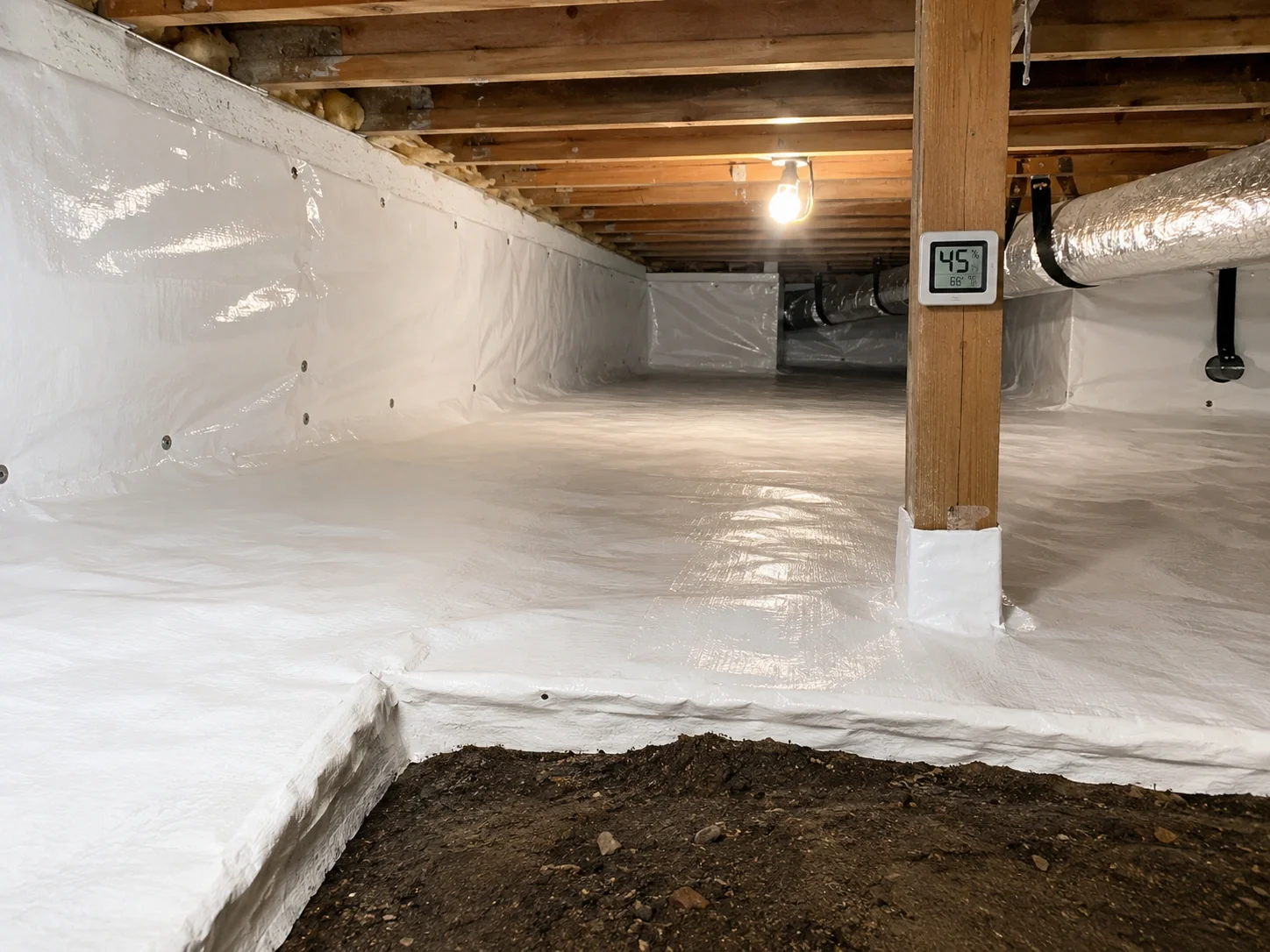
Before buying any equipment, trace where the humidity is coming from. A damp basement or crawl space is responsible for up to 80% of the humidity in your entire home. Leaky plumbing, a cracked foundation, or poor exterior drainage are also prime suspects.
- Basement & Crawl Space: Seal cracks in foundation walls and floors. Cover dirt crawl space floors with a heavy-duty vapor barrier.
- Plumbing Leaks: Fix dripping faucets, leaking pipes, and appliances immediately.
- Outdoor Drainage: Ensure gutters and downspouts direct water at least 6 feet away from your foundation.
A sealed, encapsulated crawl space prevents ground moisture from ever entering your living areas. This is the single most effective long-term fix for many homeowners.
Harness Your AC and Dehumidifier Effectively
2. Use Your Air Conditioner as a Dehumidifier
Your air conditioner is your first line of defense. The process of cooling naturally removes moisture from the air. However, an oversized AC unit is an enemy to dehumidification. If your AC is too large for your space, it will cool the room quickly but in short bursts, never running long enough to cycle out the humidity. Use our AC sizing guide to check if your unit is a match.
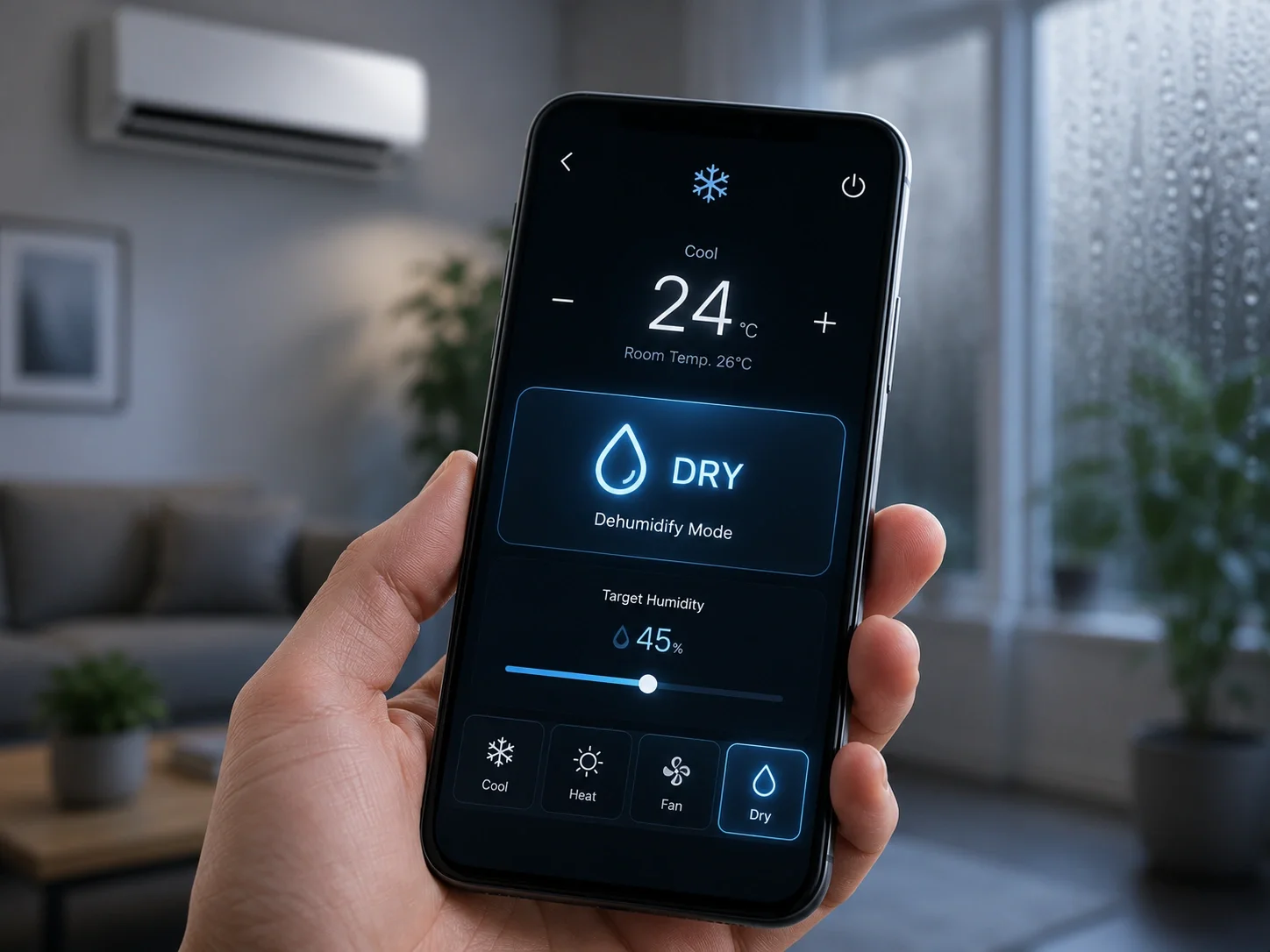
For homes with ductless mini-split systems or inverter ACs, look for the "Dry Mode" function. This setting runs the fan at a lower speed and cools the coil more aggressively to maximize moisture removal without overcooling the room. It's a game-changer during muggy but not scorching days.
3. Invest in a Standalone or Whole-House Dehumidifier
When your AC can't keep up, a dehumidifier is the dedicated tool you need. The right solution depends on the scale of your humidity problem:
- Portable Dehumidifiers Entry-Level: Perfect for a bedroom, basement, or any single problem room. Look for one rated for the square footage and with a built-in humidistat.
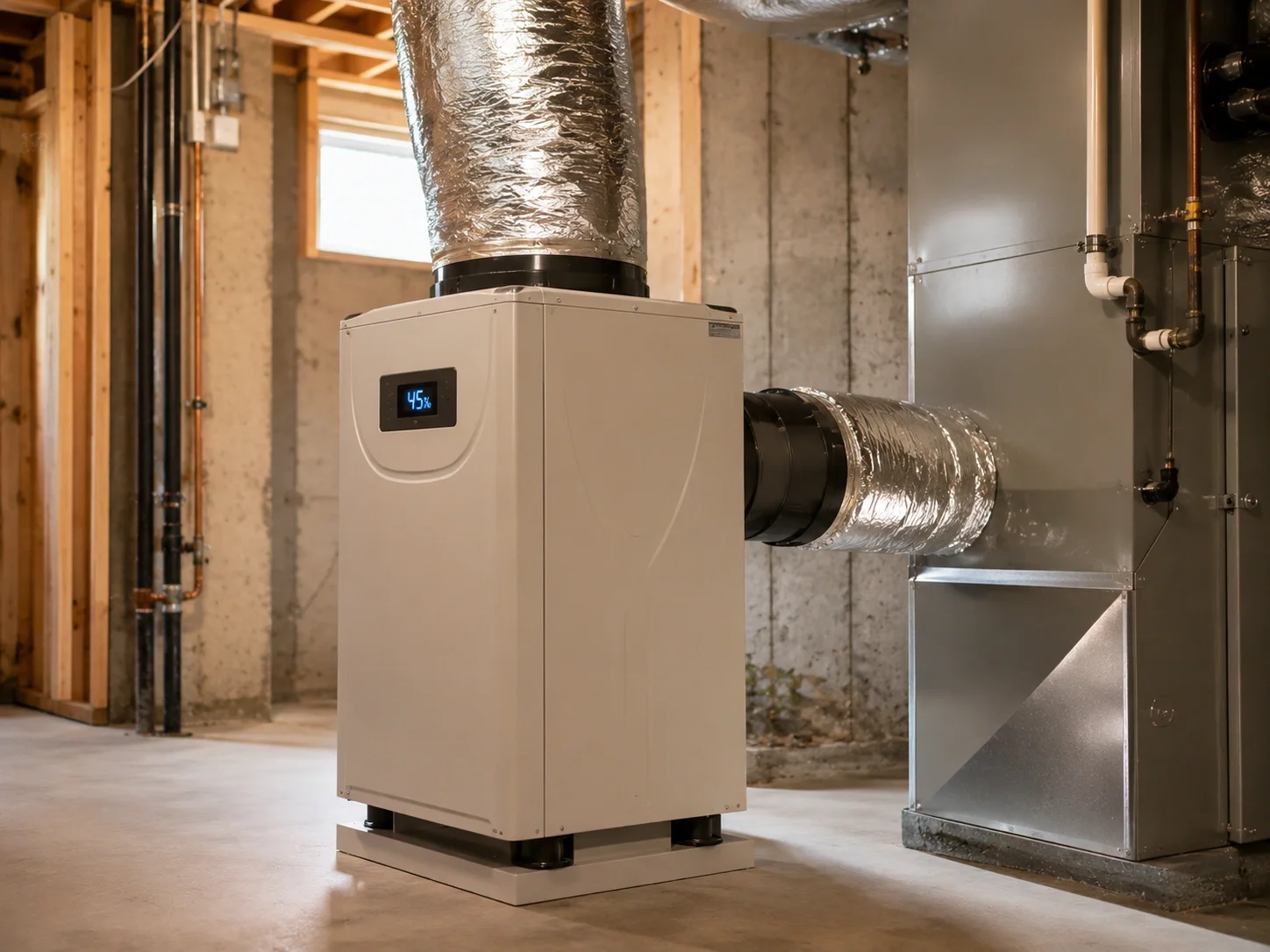
- Whole-House Dehumidifiers High-End: These integrate directly with your existing ducted HVAC system. A whole-house unit is the ultimate set-it-and-forget-it solution, working even when the AC is off to maintain perfect humidity throughout your home. A mid-range portable unit handles a single room well, while a high-end whole-house system is a professionally installed investment for total-home comfort.
Combining a well-sized central AC with a whole-house dehumidifier is the gold standard for home comfort and air quality.
Master Ventilation and Daily Habits
4. Upgrade Your Exhaust Fans
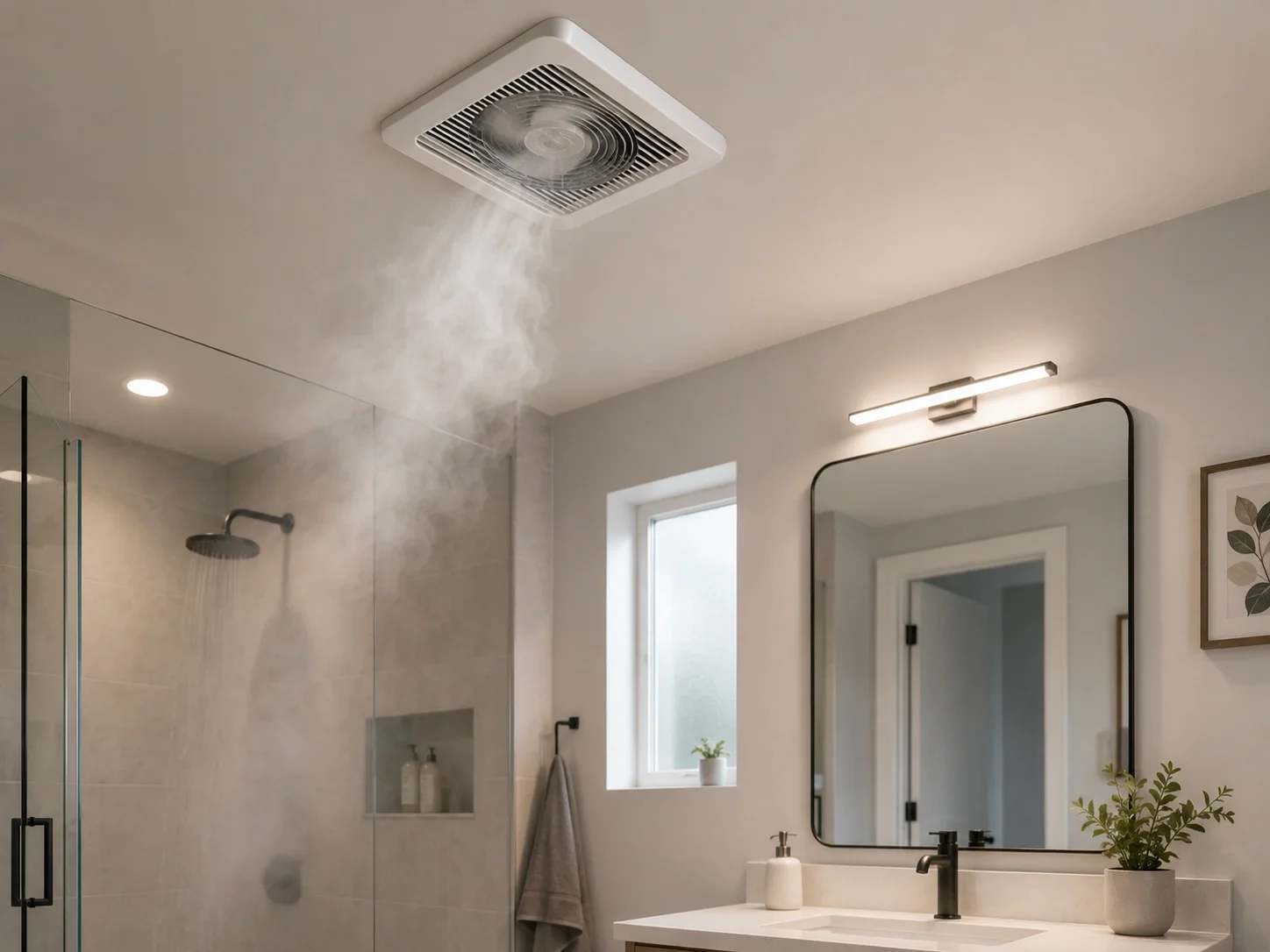
The kitchen and bathroom are humidity factories. A single shower can pump a pint of water into the air. You must vent moisture outside, not into the attic.
- Bathrooms: Run the exhaust fan during every shower or bath, and for 20–30 minutes afterward.
- Kitchen: Always use the range hood fan when boiling water or cooking. Verify that both fans vent through the roof or a wall, not into the attic. If you frequently experience condensation, consider a ductwork inspection to ensure the system isn't leaking.
5. Smart Lifestyle Adjustments
Simple changes can drastically impact your home's moisture level:
- Shorter, Cooler Showers: Less steam means less humidity to fight.
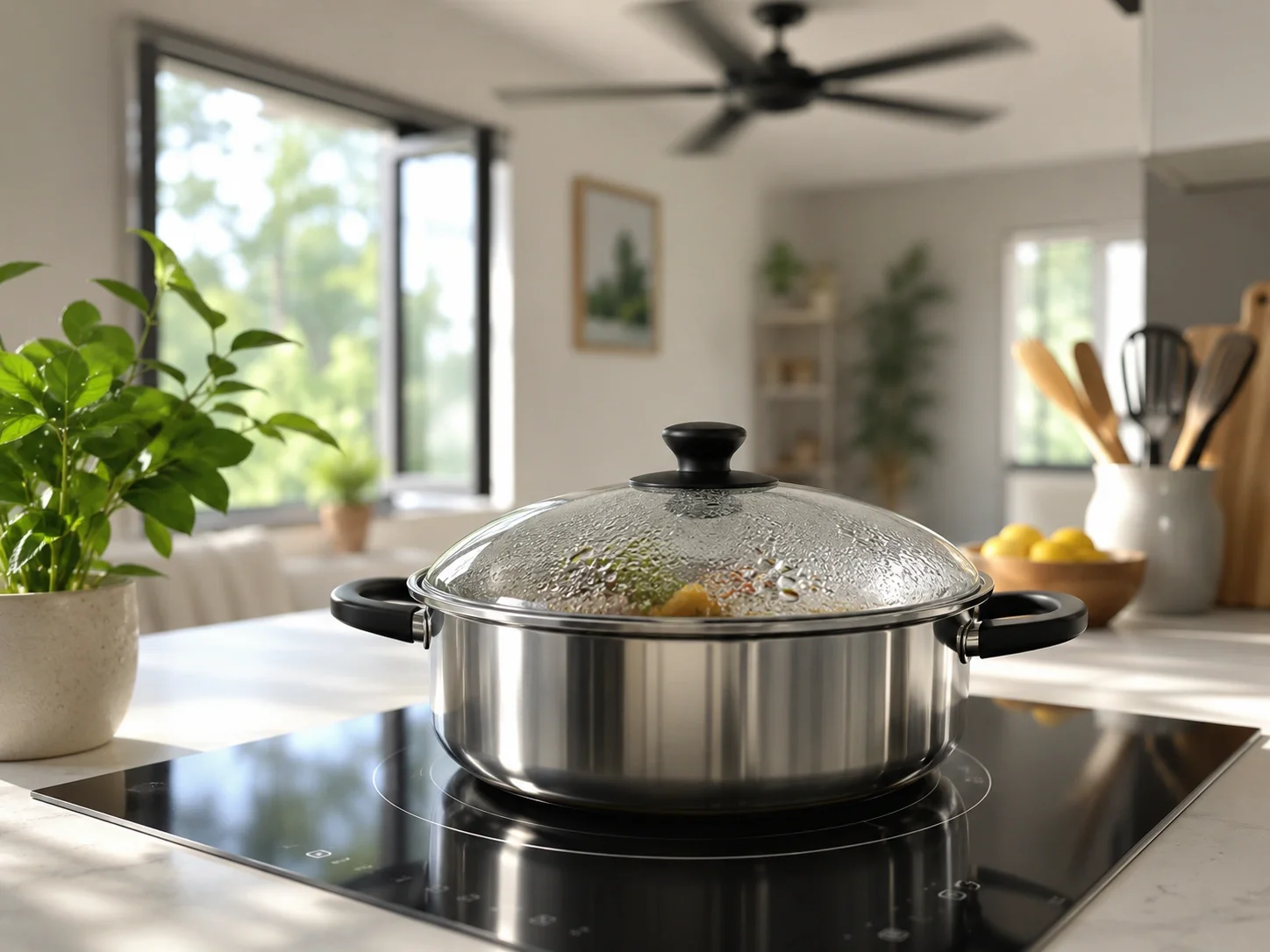
- Cover Pots When Cooking: Traps steam and keeps it out of your air.
- Airdry Laundry Outside: Indoor drying racks release gallons of water vapor.
- Use Window Treatments: Keep blinds and curtains closed during the hottest, most humid part of the day.
- Use Ceiling Fans: They boost evaporation and make you feel cooler without lowering the thermostat, which can increase relative humidity.
Quick & Natural Humidity Hacks
Rock Salt & Charcoal
Place bowls of rock salt or charcoal briquettes in damp corners like closets. They act as natural desiccants for small spaces.
Strategic Houseplants
Plants like Boston ferns and peace lilies absorb moisture through their leaves, naturally reducing humidity in a room.
Smart Ventilation
On cool, dry days, open windows on opposite sides of your home to create a cross-breeze that flushes out stale, humid air.
Worth the Investment
A smart thermostat with a humidity sensor can run your AC's fan just to circulate and filter air, even when cooling isn't needed.
When to Call an HVAC Professional: If you've tried these steps and your home consistently feels sticky above 60% humidity, you may have a more complex issue. The problem could be an oversized AC, failing compressor, or major air leaks. Sometimes, a new, properly sized high-efficiency system is the answer. A professional can perform a Manual J load calculation to determine the exact right size for your home, ensuring both cooling and dehumidification needs are met. Find a qualified HVAC contractor near you for an assessment.


