HV AC Repair: Troubleshooting, Diagnosis & Professional Service Guide
Understand what goes wrong with heating and cooling systems, how to diagnose common symptoms, when a DIY fix is safe, and how to choose a qualified technician for reliable long-term performance.
START DIAGNOSINGWhy this guide matters: A heating, ventilation, and air conditioning system is a long-term investment in home comfort. When something fails, the difference between a quick, correct repair and an expensive misdiagnosis usually comes down to understanding the symptoms first. This guide walks you through the repair process from the homeowner's perspective so you can make informed decisions before any technician steps through your door.
Understanding How HV AC Systems Fail
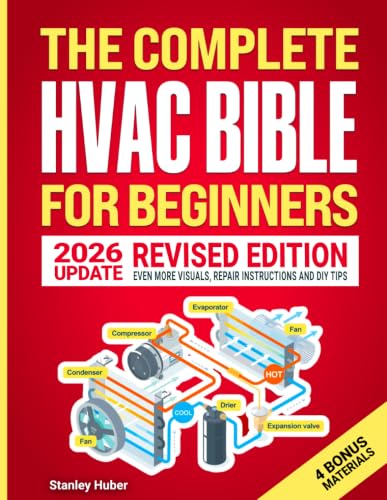
A heating and cooling system is a network of mechanical, electrical, and refrigerant components working in a synchronized cycle. The compressor circulates refrigerant, the condenser coil releases heat, the evaporator coil absorbs heat from indoor air, and the blower motor distributes conditioned air through ductwork. When any one of these components drifts out of specification, the entire system underperforms. To understand the fundamentals behind this cycle, review how an air conditioner works, which explains the refrigeration loop in plain language.
Failures generally fall into three categories: mechanical wear (bearings, contactors, capacitors), electrical faults (wiring, control boards, thermostats), and refrigerant-related issues (leaks, undercharge, restricted metering devices). Recognizing which category a symptom belongs to is the first step toward an accurate repair.
Common Symptoms and What They Usually Mean
Before calling a technician, document what you observe. The table below maps the most frequent symptoms to their likely causes and the typical repair approach.
System Runs But No Cool Air
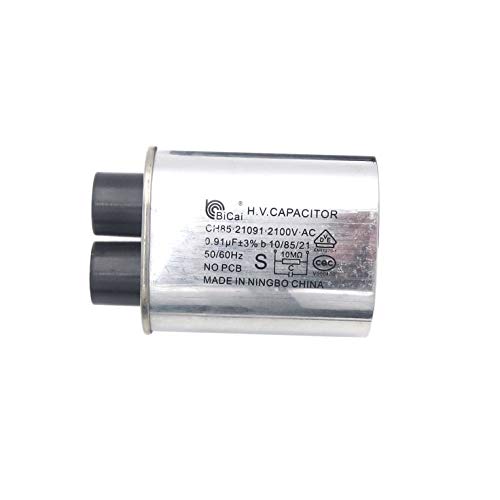
Often a refrigerant leak, a failed compressor capacitor, or a dirty evaporator coil. Check the filter first, then observe whether the outdoor fan and compressor both run. If the outdoor unit hums but does not start, the capacitor is a prime suspect.
Frequent Short Cycling
Rapid on-off cycles usually point to an oversized system, a failing thermostat, a blocked airflow path, or a low refrigerant charge. Short cycling accelerates wear on the compressor and should be addressed promptly.
Water Pooling Near Indoor Unit
A clogged condensate drain line, a cracked drain pan, or a frozen evaporator coil thawing rapidly. Clearing the drain line is a common DIY task; a cracked pan or persistent freezing requires professional inspection.
Grinding or Rattling Noises
Worn blower bearings, loose fan blades, or debris inside the condenser housing. Grinding sounds from the outdoor unit often indicate bearing failure in the fan motor and should be inspected before the motor seizes.
Musty or Burning Odors
Musty smells indicate microbial growth on the evaporator coil or in the ductwork. A burning smell suggests an electrical component overheating, such as a failing contactor or motor winding, and warrants immediate shutdown.
Frequent Breaker Trips
An overloaded circuit, a shorted compressor, or a failing outdoor fan motor. Repeated breaker trips are a safety concern and should never be ignored or worked around with a larger breaker.
If your indoor unit is running but the home is not cooling, the dedicated guide on why a house AC turns on but produces no cold air breaks down the diagnostic sequence step by step, including how to test airflow and temperature differential at the supply registers.
Symptom-to-Repair Reference Table
| Symptom | Likely Cause | Repair Tier | Best For |
|---|---|---|---|
| Weak airflow from vents | Clogged filter, blocked duct, failing blower | Essential tier (filter) to mid-tier (blower) | Homeowners comfortable with basic maintenance |
| Outdoor unit not starting | Tripped breaker, failed capacitor, contactor | Mid-tier electrical repair | Licensed technician |
| Ice on refrigerant lines | Low charge, restricted airflow, dirty coil | Mid-range to high-end tier depending on leak severity | Certified refrigerant technician |
| Loud compressor noise | Worn internal components, failing mounts | High-end tier mechanical repair | Professional-grade service |
| Thermostat unresponsive | Dead batteries, wiring fault, failed control board | Entry-level to mid-tier | DIY for batteries; pro for wiring |
| Heating cycle blowing cold | Reversing valve fault, defrost board failure | Mid-range to premium tier | Heat pump specialist |
DIY Repair vs Professional Service
Not every problem requires a service call, but some repairs are both dangerous and legally restricted. Use the breakdown below to decide which tasks are appropriate for a homeowner and which require a licensed technician.
✔ Safe for Homeowners
- Replacing or cleaning air filters monthly during heavy use
- Clearing a clogged condensate drain line with a wet/dry vacuum
- Resetting tripped breakers after identifying the cause
- Replacing thermostat batteries and reconfiguring schedules
- Straightening condenser fins with a fin comb
- Cleaning debris from around the outdoor unit
- Tightening accessible panel screws and inspecting insulation
⚠ Requires a Licensed Technician
- Handling or recharging refrigerant (EPA Section 608 required)
- Replacing capacitors, contactors, or compressor components
- Diagnosing and repairing refrigerant leaks
- Replacing the compressor or reversing valve
- Any work inside the electrical panel or high-voltage wiring
- Control board replacement and thermostat rewiring
- Ductwork modifications affecting system static pressure
Safety notice: Refrigerant is regulated under the Clean Air Act. Releasing refrigerant into the atmosphere is illegal, and handling it without certification is unsafe. Electrical components inside the condenser cabinet store high voltage even after the disconnect is pulled. If a repair involves either of these areas, stop and call a licensed professional.
Preventive Maintenance That Prevents Most Repairs
The majority of service calls we see described in industry data are preventable. A consistent maintenance routine extends system lifespan and keeps efficiency within the manufacturer's specification. Industry guidance generally recommends a professional inspection once per cooling season and once per heating season, supplemented by homeowner tasks in between.
- Replace air filters every 30 to 90 days depending on household dust, pets, and occupancy.
- Keep two feet of clearance around the outdoor condenser for unrestricted airflow.
- Flush the condensate drain line with distilled vinegar at the start of each cooling season.
- Inspect and clean the outdoor coil annually with a garden hose on low pressure.
- Verify thermostat calibration and update schedules seasonally.
- Check that supply and return registers are unobstructed by furniture or rugs.
- Schedule professional coil cleaning and refrigerant charge verification yearly.
- Listen for new noises monthly; early detection prevents cascade failures.
For homeowners planning a full system replacement instead of a repair, understanding expected service life helps frame the decision. A well-maintained system typically lasts between 12 and 17 years, as explained in the guide on how long an AC lasts and what accelerates wear.
How to Choose a Qualified Repair Technician
The quality of the technician matters as much as the parts installed. Before authorizing work, verify the following:
- State HVAC license number is current and verifiable through the licensing board.
- Liability insurance and workers' compensation coverage are active.
- EPA Section 608 certification for refrigerant handling is on file.
- Written estimate separates diagnostic fee, parts, and labor.
- Warranty terms on parts and labor are provided in writing before work begins.
- Technician explains the diagnosis in plain language and shows you the failed component.
Requesting multiple written estimates is standard practice for repairs above routine maintenance. A structured approach to gathering quotes is outlined in the guide on how to get an installation quote, and the same principles apply to repair estimates. Avoid technicians who pressure you into immediate replacement without a documented diagnosis.
Repair or Replace: A Decision Framework
When a system is older and the repair involves major components, replacement often makes more economic sense over the remaining service life. Use these indicators as a guide:
| Condition | Recommended Action | Rationale |
|---|---|---|
| Under 8 years old, single failed component | Repair | System has substantial remaining service life |
| 8 to 12 years old, minor electrical fault | Repair with inspection | Cost-effective if the compressor and coils are healthy |
| Over 12 years, compressor failure | Replace | Remaining lifespan is limited relative to repair investment |
| Over 15 years, repeated refrigerant leaks | Replace | System likely uses phased-out refrigerant and has structural leaks |
| Any age, outdated SEER rating | Evaluate upgrade | Modern high-efficiency systems reduce long-term energy consumption |
If replacement becomes the better path, reviewing the fundamentals of HV AC units helps you compare system types, efficiency ratings, and sizing before committing to a new installation.
Frequently Asked Questions
How long does a typical HV AC repair take?
Most common repairs such as capacitor replacement, thermostat calibration, or clogged drain line clearing take between one and three hours. Complex repairs involving the compressor or refrigerant circuit may require a full day or a scheduled return visit once parts arrive.
Can I repair my HV AC system myself?
Basic tasks like replacing air filters, resetting breakers, and clearing drain lines are safe for most homeowners. Refrigerant handling, component replacement inside the condenser, and compressor work require licensed technicians because of electrical safety and environmental regulations.
How often should HV AC systems be serviced?
Manufacturers generally recommend professional servicing once per year for the cooling cycle and once per year for the heating cycle. Homes in climates with heavy seasonal use benefit from two full inspections annually.
What are the signs that an HV AC system needs repair?
Warning signs include reduced cooling output, unusual noises such as grinding or rattling, water pooling near the indoor unit, musty odors, frequent breaker trips, and short cycling where the system turns on and off rapidly.
Is it better to repair or replace an older HV AC system?
A practical rule is to consider replacement when the system is more than twelve to fifteen years old and the repair involves major components. If the system uses outdated refrigerant or has a history of repeated failures, replacement often provides better long-term reliability and efficiency.
Whether you are troubleshooting a minor fault or planning a major service, understanding the full scope of your HV AC system helps you communicate clearly with your technician and avoid unnecessary repairs.