
HVAC Maintenance Plan: Complete Guide for Homeowners
A well-structured maintenance plan keeps your heating and cooling system efficient, reliable, and ready for every season. Learn what these plans cover, how they work, and how to choose the right agreement for your home.
What Is an HVAC Maintenance Plan?
An HVAC maintenance plan is a service agreement between a homeowner and a heating, ventilation, and air conditioning contractor. Instead of calling for service only when something breaks down, the plan schedules routine tune-ups at set intervals throughout the year. The technician inspects, cleans, lubricates, and tests the system to catch small issues before they become major failures.
These agreements are sometimes called service contracts, preventative maintenance agreements, or comfort plans. Regardless of the name, the goal is the same: keep the equipment operating within the manufacturer's specifications and reduce the likelihood of unexpected breakdowns during extreme weather.
A maintenance plan is different from a one-time HVAC tune-up. A single tune-up covers one visit, while a plan bundles multiple visits across the year, often with added benefits such as priority scheduling and waived diagnostic charges for members.
Key Benefits of an HVAC Service Agreement
Homeowners who enroll in a maintenance plan typically gain several practical advantages. The exact benefits vary by provider, but most programs share a common set of features.
- Fewer emergency repairs. Regular inspections identify worn parts, loose electrical connections, and dirty coils before they trigger a breakdown.
- Preserved efficiency. Clean filters, coils, and blower components help the system move air with less resistance, which supports steady performance.
- Priority scheduling. Plan members usually receive priority when booking service calls, which is especially valuable during peak summer and winter demand.
- Extended equipment life. Consistent lubrication and calibration reduce wear on compressors, motors, and other costly components.
- Warranty compliance. Many manufacturers require documented maintenance to keep parts warranties valid.
- Predictable upkeep. A scheduled plan removes the guesswork of remembering when service is due.
For a broader look at how service agreements fit into overall home comfort management, see the overview of HVAC maintenance service options.
What HVAC Maintenance Plans Typically Cover
Coverage differs between providers, but most comprehensive plans include the following tasks during each seasonal visit.
Cooling System Inspection
- Checking and advising on air filter condition
- Cleaning the condenser coil and evaporator coil as needed
- Measuring refrigerant charge and checking for leaks
- Inspecting electrical connections, capacitors, and contactors
- Testing thermostat calibration and operation
- Measuring temperature differential across the coil
- Checking condensate drain for clogs
- Lubricating moving parts on the blower and fan motors
Heating System Inspection
- Inspecting the heat exchanger for cracks or corrosion
- Checking burner assembly and flame sensor
- Testing safety controls and limit switches
- Verifying venting and combustion air flow
- Cleaning the blower and inspecting the inducer motor
- Checking gas connections and pressure where applicable
Shared System Components
- Inspecting ductwork for visible leaks or disconnections
- Checking thermostat batteries and programming
- Testing the system in both heating and cooling modes
- Reviewing overall system performance with the homeowner
Some tasks overlap with routine homeowner maintenance, such as filter replacement and coil cleaning. For tips on handling those tasks between visits, see guides on cleaning AC filters and cleaning condenser coils.
Plan Tiers and What to Expect
Maintenance plans are generally offered in tiers, with each tier adding more visits, deeper inspections, or extra member benefits. The table below describes typical tier structures using universal quality descriptors rather than specific pricing.
| Tier | Typical Visits | Best For | Key Features |
|---|---|---|---|
| Essential tier | One seasonal visit per year | Single-system homes with newer equipment | Basic inspection, filter guidance, thermostat check |
| Balanced tier | Two visits per year (spring and fall) | Most single-family homes | Full cooling and heating tune-ups, priority scheduling |
| Top-tier | Three to four visits per year | Homes with zoning, heat pumps, or multiple systems | Quarterly inspections, waived diagnostic charges, extended parts discounts |
| Professional-grade | Custom schedule | Larger homes or light commercial spaces | Multi-system coverage, documented reporting, dedicated account manager |
Higher tiers generally include deeper inspections and more generous repair benefits than entry-level plans. The best fit depends on the age, type, and number of systems in the home.
For homeowners comparing plan options, it helps to review the broader context of preventative maintenance arrangements before deciding on a tier.
Recommended Maintenance Schedule
Most professionals recommend aligning maintenance visits with the seasons. The schedule below reflects common practice, though climate and system type may shift the timing.
- Early spring: Cooling system tune-up before the first heat wave. Coils, refrigerant, and condensate drain receive attention.
- Early fall: Heating system tune-up before cold weather arrives. Heat exchanger, burners, and safety controls are inspected.
- Mid-summer: Optional mid-season check for homes with heavy cooling demand or older systems.
- Mid-winter: Optional check for heat pumps or systems that run continuously through winter.
Homes with heat pumps benefit from a slightly different rhythm, since the same equipment handles both heating and cooling. A qualified technician can tailor the schedule to the specific system.
Quick Maintenance Checklist Between Professional Visits
- Replace or clean the air filter every one to three months
- Keep outdoor unit clear of leaves, debris, and vegetation
- Check that supply and return vents are unobstructed
- Test the thermostat in both modes before seasonal transitions
- Listen for unusual sounds and note any changes in performance
How to Choose the Right HVAC Maintenance Plan
Not every plan suits every home. Before signing an agreement, consider the following factors.
- System type and age. Older systems and heat pumps usually benefit from more frequent visits than newer, single-stage equipment.
- Number of systems. Homes with multiple units or zoned systems may need a plan that covers more than one system.
- Coverage details. Review what is included in each visit and what counts as an extra service call.
- Priority scheduling. Confirm whether plan members receive priority during peak season.
- Diagnostic charges. Some plans waive diagnostic fees for members; others apply them per visit.
- Repair benefits. Some plans include discounts on parts or labor for covered repairs.
- Contractor reputation. Choose a provider with clear documentation, licensed technicians, and transparent terms.
Comparing a local contractor against a large retail provider is another useful step. See the comparison of local HVAC contractors versus big-box stores for guidance on what to evaluate.
DIY Tasks Versus Professional Service
A maintenance plan does not replace basic homeowner care. Filter changes, outdoor unit clearance, and vent checks are simple tasks that support system health between professional visits. Tasks that involve refrigerant handling, electrical components, or combustion systems should be left to licensed technicians.
If a system shows signs of trouble, such as weak airflow or unusual noises, early diagnosis matters. Guides on diagnosing an AC that is not blowing cold air and troubleshooting a central AC that stopped working can help homeowners decide whether to call for service.
Warranty and Documentation
Manufacturers often require proof of regular maintenance when processing warranty claims. A maintenance plan provides a paper trail of professional service visits, which can be valuable if a major component fails within the warranty period. Keep copies of service reports and note the date of each visit.
Some contractors also register equipment on the homeowner's behalf or store service records digitally. This simplifies future claims and helps the next technician understand the system's history.
Frequently Asked Questions
What does an HVAC maintenance plan typically include?
Most plans include seasonal tune-ups, filter guidance, coil cleaning, refrigerant level checks, electrical inspections, and priority scheduling for repairs.
How often should HVAC maintenance be performed?
A common schedule is one visit in spring for the cooling system and one in fall for the heating system, though some plans offer quarterly visits for homes with heat pumps or multiple systems.
Is an HVAC maintenance plan worthwhile for a newer system?
Yes. Many manufacturers require documented maintenance to keep warranties valid, and regular tune-ups help preserve efficiency over the life of the system.
Can I perform maintenance myself instead of enrolling in a plan?
Homeowners can handle basic tasks such as filter changes and outdoor unit clearance. Tasks involving refrigerant, electrical components, or combustion systems require a licensed technician.
What happens if I skip maintenance visits?
Skipping visits can allow minor issues to develop into larger failures, reduce system efficiency over time, and potentially affect warranty coverage if the manufacturer requires documented service.
Recommended HVAC Maintenance Tools and Equipment
⚠️ AFFILIATE DISCLOSURE: This website contains affiliate links. As an Amazon Associate, we earn from qualifying purchases. If you make a purchase through these links, we may receive a small commission at no additional cost to you. Read our full affiliate policy.

HVAC Troubleshooting and Diagnostics: A Practical Field Workbook for Diagnosing Common Residential HVAC Problems
Check price on Amazon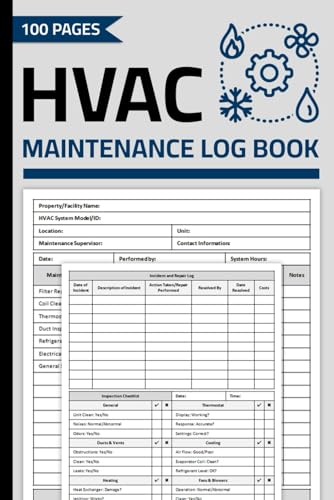
HVAC Maintenance Log Book: HVAC Repair & Service Record with Inspection Checklist | Maintenance Logbook for HVAC Systems | 100 Pages
Check price on Amazon
Home Maintenance Logbook: Seasonal Checklists • HVAC & Filter Tracker • Service Records
Check price on Amazon
Change Air Filter Planner Stickers | Home Maintenance Planner Stickers | Functional Household Reminder Stickers | HVAC
Check price on Amazon
The Contract: A Field Guide to Selling HVAC Service and Maintenance Agreements to Commercial and Industrial Clients (The HVAC Logix Sales & Marketing Library)
Check price on Amazon
HomeCare Hub Pro Home Maintenance Planner, HVAC Reminders & Warranty Manager
Check price on Amazon