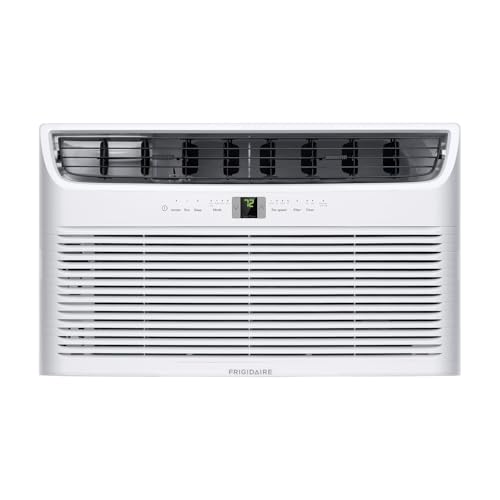
Most Energy Efficient Wall Air Conditioner
Wall-mounted air conditioners are a practical cooling solution for rooms without ductwork. This guide explains how wall AC efficiency is measured, which features separate high-efficiency models from average ones, and how to choose the right unit for your room.
Compare Efficiency TiersWhy efficiency matters for wall units: A wall air conditioner runs for many hours during cooling season, so every percentage point of efficiency translates into real energy savings over the unit's service life. This page is written for buyers who already know they want a wall-mounted AC and now need to understand which models deliver the strongest efficiency, durability, and long-term performance. Rather than focusing on a single rating, we break down the technologies, installation factors, and features that together define the most energy efficient wall air conditioner for different room types.
How Wall Air Conditioner Efficiency Is Measured
Efficiency ratings for wall air conditioners have evolved significantly. Older units were labeled with EER and SEER, while modern equipment uses CEER for room air conditioners and SEER2 for central-style systems. Understanding these metrics helps you compare models on equal terms and avoid relying on marketing claims alone.
EER (Energy Efficiency Ratio)
EER is calculated at a single set of peak conditions. A higher EER means the unit produces more cooling output per unit of electricity at that test point. It remains a useful benchmark for room wall ACs.
CEER (Combined EER)
CEER is the current standard for room air conditioners in the United States. It adds a standby power component and better reflects real-world performance than EER alone, making it a stronger comparison tool.
SEER2 (Seasonal Efficiency)
SEER2 estimates efficiency across an entire cooling season. Higher SEER2 values generally indicate lower seasonal energy use, though real results also depend on climate, sizing, and installation quality.
ENERGY STAR Certification
ENERGY STAR certified wall units meet efficiency thresholds set above the federal minimum. Choosing a certified model is a straightforward way to confirm above-average efficiency.
Energy Efficiency Tiers for Wall Air Conditioners
Efficiency descriptors vary by market position. The table below uses a consistent tier system to help you place any model within the broader landscape, from essential designs to flagship inverters.
| Tier | Typical Efficiency Profile | Best For | Key Considerations |
|---|---|---|---|
| Entry-Level | Meets federal minimum efficiency; single-stage compressor; basic thermostat | Guest rooms, seasonal use, short cooling periods | Solid for occasional use, but higher standby and cycling losses over long seasons |
| Mid-Range | Above-minimum CEER; improved airflow design; programmable or digital controls | Bedrooms, home offices, daily overnight cooling | Good value for its tier; offers better seasonal efficiency than entry-level units |
| High-End Tier | ENERGY STAR certified; two-stage or inverter compressor; smart features | Primary living spaces, all-day cooling, warmer climates | Noticeably steadier temperatures and lower seasonal consumption; well-specified for the category |
| Flagship Tier | Highest available CEER/SEER2; variable-speed inverter; advanced humidity control | Whole-season reliance, humid climates, efficiency-first buyers | Long-term investment with the lowest expected seasonal energy use in its class |
Features That Make a Wall AC More Efficient
Beyond the rating label, several physical and electronic features determine how efficiently a wall air conditioner actually performs in a real room. These are the elements to compare when narrowing down your shortlist.
- Inverter compressor technology: Varies motor speed to match the cooling load, reducing the on/off cycling that wastes energy. Inverter wall ACs are generally more efficient over long run times than single-stage units.
- Variable-speed fan: Matches airflow to demand, lowering fan energy use and improving temperature consistency.
- ENERGY STAR certification: Confirms the unit exceeds federal minimum efficiency thresholds for its capacity class.
- Programmable and smart thermostats: Scheduling and remote control reduce unnecessary runtime, which is often where the largest real-world savings come from.
- Sleep mode and eco mode: Gradually raises the setpoint overnight or limits compressor output to cut energy use during off-peak comfort needs.
- Improved coil design: Larger heat-exchange surface area improves efficiency without raising power draw.
- Sealed sleeve and insulation: A properly sealed wall sleeve limits air leakage, a common hidden efficiency loss in older installations.
- Correct sizing: An oversized wall AC short-cycles and dehumidifies poorly; an undersized unit runs continuously. Both waste energy. See our guidance on energy efficient room air conditioners for sizing context.
Installation Factors That Affect Wall AC Efficiency
A high-efficiency model can underperform if the installation is poor. Wall air conditioners are especially sensitive to sleeve fit, sealing, and airflow because they sit directly in the building envelope. Three factors deserve particular attention:
Sleeve sealing: Gaps around the wall sleeve allow outdoor air to enter and conditioned air to escape. Sealing the sleeve perimeter and using a proper trim kit preserves the rated efficiency of the unit.
Airflow clearance: Both the indoor and outdoor sides need unobstructed airflow. Blocking the discharge or intake reduces capacity and forces the compressor to work harder, which lowers real efficiency.
Electrical circuit: Confirm that the circuit and breaker match the unit's requirements. Undersized wiring causes voltage drop and can degrade performance or trigger nuisance trips.
Maintenance Habits That Preserve Efficiency
Even the most energy efficient wall air conditioner loses performance if it is neglected. The following maintenance habits keep a wall unit operating close to its rated efficiency throughout its service life:
Clean the Filter Monthly
A clogged filter restricts airflow and increases compressor load. Rinse or replace the filter every few weeks during heavy cooling season.
Inspect the Outdoor Coil
Dust, leaves, and pollen on the condenser coil reduce heat rejection. Gently clean the coil each season to maintain rated efficiency.
Check the Sleeve Seal
Re-caulk or re-seal the sleeve if you notice drafts or moisture intrusion. A tight seal protects both efficiency and indoor air quality.
Schedule Professional Service
Annual checks catch refrigerant issues, electrical wear, and coil fouling before they erode efficiency and shorten the unit's life.
How to Choose the Most Energy Efficient Wall AC for Your Room
Start with the room, not the product. Measure the floor area and note sun exposure, ceiling height, insulation quality, and how many people use the space. These factors determine the cooling capacity you need, and correct sizing is the single largest determinant of real-world efficiency.
Next, decide whether a single-stage or inverter compressor fits your usage pattern. If the room is cooled for short, occasional periods, a well-sealed entry-level or mid-range unit may be adequate. If the room is used daily or cooled for many hours, the higher seasonal efficiency of a high-end or flagship inverter wall AC usually justifies the step up in tier.
Finally, confirm installation compatibility. Check the sleeve dimensions, the electrical circuit, and the unit's physical clearance requirements. If you are replacing an existing wall unit, measure the old sleeve carefully and look for modern replacements that match it. For broader product comparisons across styles, see our guide to the most energy efficient central air conditioner if you are also considering ducted options.
Ready to Compare Efficient Wall AC Models?
Browse hand-picked wall air conditioners with strong efficiency profiles, inverter compressors, and ENERGY STAR certification. Compare features side by side before you decide.
View Recommended ModelsFrequently Asked Questions
What does energy efficiency mean for a wall air conditioner?
Energy efficiency for a wall air conditioner describes how effectively the unit converts electricity into cooling output. It is measured using ratings such as EER, CEER, and SEER2, where higher ratings indicate that the unit delivers more cooling per unit of electricity used.
Is an inverter wall air conditioner more efficient than a single-stage unit?
In general, yes. An inverter compressor varies its speed to match the cooling load, avoiding the repeated full-power cycling of a single-stage compressor. This usually results in steadier temperatures and lower energy use over long operating periods.
Does a higher SEER2 rating always mean lower energy use?
A higher SEER2 rating indicates greater rated efficiency, but actual energy use also depends on correct sizing, installation quality, usage patterns, and climate. An oversized or poorly installed high-efficiency unit can still consume more energy than expected.
Can I replace an old wall AC sleeve with a more efficient unit?
Often yes. Many wall AC units share standardized sleeve sizes, which makes it possible to swap an older unit for a modern, more efficient model. Confirm the sleeve dimensions and electrical requirements before choosing a replacement.