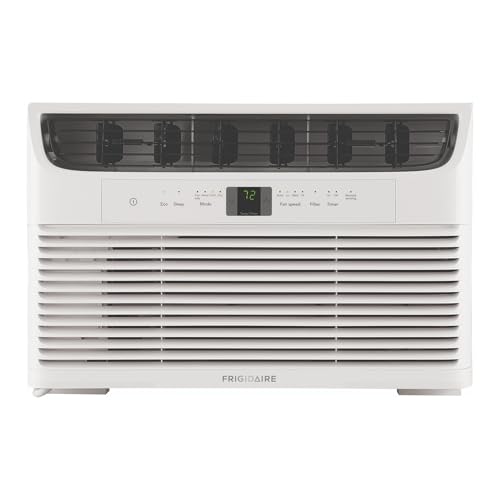
Quiet Window Air Conditioner with Remote Control: Complete Buyer's Guide
Discover how to choose a whisper-quiet window AC with a convenient remote control. Compare noise levels, features, and top-tier options for peaceful cooling in any room.
Why a quiet window AC with remote control matters: A window air conditioner is an excellent cooling solution for rooms without ductwork. However, traditional units can be noisy and inconvenient to adjust. Modern quiet models with remote controls solve both problems, letting you enjoy cool, comfortable air without disruptive noise or constantly getting up to change settings. This guide will help you understand what to look for and how to choose the right unit for your needs.
Understanding Noise Levels in Window Air Conditioners
Noise is measured in decibels (dB). To put window AC noise into perspective, here is a general comparison:
| Decibel Level | Comparable Sound | Category |
|---|---|---|
| Below 45 dB | Quiet library, gentle rainfall | Ultra-quiet (premium/top-tier) |
| 45–50 dB | Quiet conversation, soft background music | Quiet (mid-range to premium) |
| 50–55 dB | Moderate conversation, typical refrigerator hum | Moderate (entry-level to mid-range) |
| Above 55 dB | Busy office, distant traffic | Noticeably audible (standard units) |
When shopping for a quiet window air conditioner with remote control, look for models that advertise noise levels of 50 dB or lower on their lowest fan setting. Premium and top-tier units often achieve 42–48 dB, which is ideal for bedrooms, home offices, and living spaces where peace and quiet are essential.
Key Features to Look For
Remote Control Convenience
A remote control lets you adjust temperature, fan speed, mode (cool, fan, dry, auto), and timer settings from across the room. Look for remotes with a clear display and intuitive buttons. Some premium models include a remote with a built-in thermostat sensor, which measures temperature near you rather than at the unit for more accurate comfort.
Low Noise Operation
Quiet operation is achieved through several design features: insulated compressor housing, vibration-dampening mounts, optimized fan blade geometry, and multi-speed fans that allow you to run the unit at a lower, quieter setting when full cooling is not needed. Check the dB rating on the lowest setting — that is the number that matters for sleep and concentration.
Energy Efficiency
Look for units with a high CEER (Combined Energy Efficiency Ratio) or ENERGY STAR certification. Inverter-driven compressors are often found in premium quiet models — they run continuously at variable speeds, which reduces both noise and energy consumption compared to traditional on/off compressors.
Smart Features
Many mid-range and premium window ACs now include Wi-Fi connectivity, allowing you to control the unit via a smartphone app or voice assistants. This is a convenient upgrade if you want scheduling, remote monitoring, or integration with smart home routines. Some models also offer Alexa and Google Assistant compatibility.
Sleep Mode & Timer
A sleep mode gradually increases the temperature overnight to save energy and maintain comfort, while a programmable timer lets you set the unit to turn on or off at specific times. These features are especially valuable in bedrooms and are commonly accessible via the remote control.
Installation & Fit
Check the unit's window width and height requirements before purchasing. Most window ACs fit double-hung windows, but some models work with sliding or casement windows using special brackets. Proper installation affects both cooling performance and noise — a poorly fitted unit can vibrate and rattle. For complex installations, consider professional window air conditioner installation.
How to Choose the Right Size (BTU)
Choosing the correct cooling capacity is critical. An undersized unit will struggle to cool the room, while an oversized unit will cycle on and off too frequently, which is less efficient and can leave the room feeling clammy. Use this general guide, then adjust for factors like sun exposure, ceiling height, and occupancy:
| Room Size (sq ft) | Recommended BTU | Typical Use Case |
|---|---|---|
| Up to 150 | 5,000–6,000 BTU | Small bedroom, home office, nursery |
| 150–250 | 8,000–10,000 BTU | Medium bedroom, small living room |
| 250–400 | 12,000–14,000 BTU | Large bedroom, living room, open-plan space |
| 400–550 | 15,000–18,000 BTU | Large living area, master suite |
For a more precise calculation, consider factors such as south-facing windows (add 10–20%), kitchen use (add 4,000 BTU), and each additional occupant (add 600 BTU). If you are unsure, a professional HVAC assessment can help. For a detailed breakdown, see our guide on how to size an air conditioner.
Top-Tier Quiet Window ACs with Remote Control
Below is an overview of the types of models available, categorized by market tier. Remember that features and availability vary by brand and region. Use this as a framework for your research, and always check the latest specifications and customer reviews before making a decision.
Essential Tier
These models offer basic remote control functionality and acceptable noise levels for daytime use. They are a solid choice for guest rooms, casual spaces, or situations where the AC is not running overnight.
- Remote control included
- Noise typically 52–56 dB on low
- Mechanical or simple digital controls
- Standard efficiency ratings
Balanced Tier
The sweet spot for most buyers. Mid-range quiet window ACs with remote controls often include sleep mode, programmable timers, and improved insulation for quieter operation.
- Full-featured remote with display
- Noise around 48–52 dB on low
- Sleep mode and 24-hour timer
- Better energy efficiency (CEER)
- Some models offer Wi-Fi
High-End Tier
Premium models prioritize quiet operation and advanced convenience. They are ideal for bedrooms, nurseries, and home offices where noise is a primary concern.
- Noise as low as 45–48 dB on low
- Inverter compressor for variable-speed cooling
- Smart home integration (Wi-Fi, voice control)
- Remote with thermostat sensor
- Enhanced filtration options
Flagship / Professional-Grade
Flagship quiet window ACs deliver the lowest noise levels, the most advanced features, and the highest energy efficiency. They are a long-term investment for those who value premium comfort.
- Noise below 45 dB on low (whisper-quiet)
- Advanced inverter technology
- Full smart home compatibility
- Premium air filtration (HEPA or advanced)
- Robust build quality and warranty
Installation and Placement Tips for Quieter Operation
Even the quietest window AC can become noisy if installed incorrectly. Follow these tips to minimize vibration and sound:
- Use a proper support bracket: An outdoor support bracket reduces strain on the window frame and minimizes vibration. Many units include a bracket, but upgrading to a sturdier one can further reduce noise.
- Ensure a tight window seal: Gaps around the unit allow outside noise in and can cause rattling. Use the included insulation panels and weather stripping to create a snug fit.
- Level the unit: A slightly tilted unit (per the manufacturer's instructions) ensures proper drainage, but it should be level side-to-side to prevent rattling.
- Choose a stable window: Older or loose window frames transmit more vibration. If possible, install the unit in a window with a solid frame.
- Consider professional installation: For large or heavy units, or if you are unsure about the installation process, professional window air conditioner installation can ensure optimal performance and safety.
If you are installing a through-the-wall unit instead, our guide on replacing a through-the-wall air conditioner covers specific considerations for that format.
Maintenance for Long-Term Quiet Performance
Regular maintenance keeps your window AC running smoothly and quietly. Neglected units often become louder over time due to dust buildup, worn parts, or loose components.
Clean or Replace the Air Filter
A clogged filter restricts airflow, making the fan work harder and increasing noise. Clean reusable filters every two weeks during peak use, or replace disposable filters as recommended.
Inspect and Tighten Components
Over time, screws and panels can loosen and cause rattling. Periodically check the unit's exterior panels and tighten any loose screws. If you are uncomfortable doing this, a professional can help.
Clean the Coils
Dirty condenser and evaporator coils reduce efficiency and can cause the compressor to work harder, increasing noise. Follow the manufacturer's instructions for coil cleaning, or schedule professional maintenance.
Check the Drainage
Proper drainage prevents water accumulation, which can lead to gurgling or dripping sounds. Ensure the unit is tilted correctly and the drain holes are clear.
For a comprehensive seasonal checklist, refer to our AC maintenance guide. Keeping up with maintenance is the most effective way to preserve quiet operation over the life of your unit.
Remote Control Features to Consider
Not all remotes are created equal. Here is what to look for in a window AC remote control:
| Feature | Why It Matters | Typical Tier |
|---|---|---|
| Backlit display | Easy to read in low-light conditions, useful for nighttime adjustments | Mid-range and above |
| Thermostat sensor in remote | Measures temperature near you, not at the unit, for more accurate comfort | Premium and top-tier |
| Timer and sleep mode access | Convenient scheduling without getting up | Mid-range and above |
| Fan speed and mode selection | Full control over cooling, fan-only, dry, and auto modes | All tiers |
| Wi-Fi / app control | Remote access from anywhere, voice assistant integration | Premium and top-tier |
If you have a smart home setup, a Wi-Fi-enabled window AC can be integrated with your existing routines. Look for models that support the platforms you use, such as Alexa or Google Assistant.
Common Mistakes to Avoid
- Buying based on BTU alone: Capacity is important, but noise, efficiency, and features matter just as much for your comfort and satisfaction.
- Ignoring the dB rating: The lowest fan speed dB rating is the most important number for quiet operation. Do not assume that a higher-capacity unit will be quieter — often the opposite is true.
- Overlooking window compatibility: Measure your window opening before purchasing. Some units require a minimum window width that may not match your space.
- Skipping professional installation for large units: A heavy window AC can be difficult and dangerous to install without proper support. Professional installation ensures safety and optimal performance.
- Neglecting maintenance: A dirty unit becomes noisy and inefficient. Set a reminder to clean the filter regularly.
Ready to Choose Your Quiet Window AC?
You now have the knowledge to select a quiet window air conditioner with remote control that fits your room, your lifestyle, and your comfort needs. Browse our curated selection of top-tier models to find the perfect match.
Explore Recommended ModelsFrequently Asked Questions
What is considered a quiet window air conditioner?
A quiet window air conditioner typically operates below 50 decibels on its lowest fan setting, which is comparable to a quiet conversation or gentle rainfall. Premium and top-tier models can reach as low as 42–45 dB, making them suitable for bedrooms and home offices. When comparing models, always check the dB rating on the lowest fan speed — that is the number that matters for sleep and concentration.
Why is a remote control important for a window AC?
A remote control allows you to adjust temperature, fan speed, and modes without getting up, which is especially useful when the unit is installed high in a window or behind furniture. Many remotes also include timers and sleep mode functions. Premium remotes may feature a built-in thermostat sensor that measures temperature near you for more accurate comfort control.
How do I know if a window AC will fit my window?
Check the unit's minimum and maximum window width requirements, usually listed in the specifications. Measure your window opening width and height, and ensure the AC is compatible with your window type (double-hung or single-hung). Most window ACs are designed for double-hung windows, but some models work with sliding or casement windows using special brackets. If you are unsure, professional installation can help ensure a proper fit.
Does a quieter window AC use more energy?
Not necessarily. Noise reduction is often achieved through better insulation, improved fan blade design, and vibration dampening. Many quiet models are also energy-efficient, featuring inverter compressors and ENERGY STAR certification. In fact, inverter-driven units often run more efficiently than traditional on/off compressors because they avoid the energy spike associated with frequent starts and stops.
Can I use a window AC in a room without a window?
Window air conditioners require a window or wall opening for installation and exhaust. If you do not have a suitable window, consider a portable air conditioner or a ductless mini-split system. Portable ACs can be used in rooms with a sliding door or a window kit, while mini-splits require professional installation but offer superior quiet operation and efficiency.
How often should I clean my window AC filter?
During peak cooling season, clean reusable filters every two weeks. If you have pets or live in a dusty area, clean them more frequently. A clogged filter restricts airflow, reduces efficiency, and can increase noise. Disposable filters should be replaced according to the manufacturer's recommendations. Regular filter maintenance is the simplest way to keep your unit running quietly and efficiently.