Reasons Your Air Conditioner Is Not Cooling
Discover the most common causes behind a warm or weak AC, learn how to troubleshoot each issue safely, and know exactly when to call a professional technician.
Explore the CausesWhy this guide matters: An air conditioner that runs but fails to cool is one of the most frustrating home comfort problems. The good news is that many causes are simple to diagnose and fix yourself. This guide walks you through every likely reason — from clogged filters to compressor failures — so you can restore cool air quickly or confidently hire a professional.
Most Common Reasons Your AC Is Not Cooling
The following issues account for the vast majority of "AC not cooling" service calls. Work through them in order, starting with the simplest and least disruptive checks.
1 Clogged or Dirty Air Filter
A dirty filter restricts airflow, forcing the system to work harder while delivering weaker cooling. Check your filter monthly during peak season and replace it every 1–3 months. This is the single easiest fix and often solves the problem outright.
2 Low Refrigerant Levels
Refrigerant is what actually removes heat from your home. If levels drop due to a leak, the AC will blow warm air. Low refrigerant is not a DIY fix — a licensed technician must find the leak, repair it, and recharge the system to the correct level.
3 Blocked or Dirty Condenser Coils
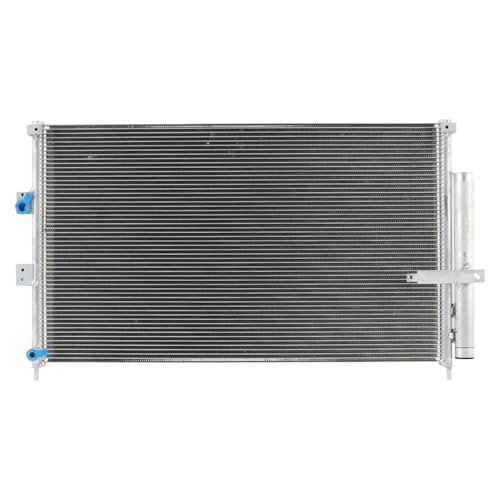
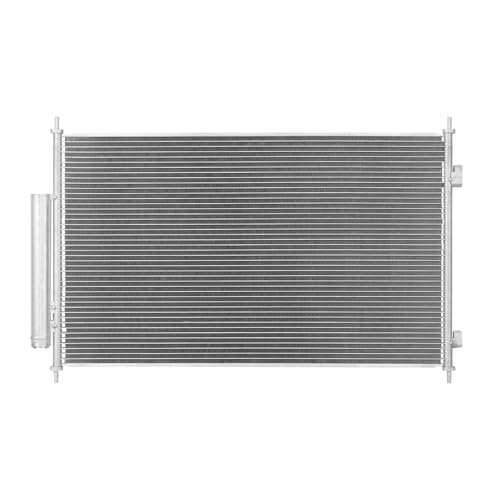
The outdoor condenser coils release heat into the air. When they are covered in dirt, leaves, or debris, heat transfer slows and cooling suffers. Gently clean the coils and clear vegetation at least two feet away from the unit.
4 Thermostat Settings or Malfunction
An accidental switch to "fan only," a dead battery, or a faulty thermostat can mimic a cooling failure. Verify the mode is set to COOL, the setpoint is below room temperature, and the display is responsive. A smart or programmable thermostat can also drift out of calibration.
5 Frozen Evaporator Coils
Restricted airflow or low refrigerant can cause the indoor coils to freeze into a block of ice, blocking cooling entirely. If you see ice on the indoor unit or refrigerant lines, turn the system off and let it thaw completely before investigating further.
6 Failing Compressor
The compressor is the heart of the system. If it hums, clicks, or fails to start, no cooling will occur. Compressor problems are serious and always require a qualified HVAC technician. This is one of the more involved repairs in any AC system.
7 Leaky or Obstructed Ductwork
In central systems, cooled air must travel through ducts. Leaks, disconnected joints, or crushed sections waste cool air before it reaches your rooms. A professional duct inspection and sealing can restore lost cooling capacity.
8 Electrical or Capacitor Issues
A failed capacitor, tripped breaker, or loose wiring can prevent the compressor or fan from running. Check the breaker once; if it trips again, stop and call a technician. Electrical faults are dangerous to diagnose without training.
Step-by-Step Diagnosis Before You Call a Pro
Before scheduling service, run through this safe checklist. It takes only a few minutes and can save you the hassle of a service visit for a simple issue.
- Verify the thermostat. Confirm it is set to COOL, the temperature is lower than the current room reading, and the fan is set to AUTO rather than ON.
- Inspect the air filter. Remove it and hold it up to light. If you cannot see through it, replace it before doing anything else.
- Check the outdoor unit. Make sure the condenser is running, free of debris, and not blocked by furniture or plants. Listen for the compressor and fan.
- Look for ice. Check the indoor coil and the larger refrigerant line for frost or ice buildup. If found, turn the system off and let it thaw.
- Reset the breaker. If the outdoor unit is silent, check your electrical panel for a tripped breaker. Reset it once and observe.
- Inspect visible ductwork. Look for disconnected joints, tears, or crushed sections in accessible ducts, especially in the attic or basement.
- Measure airflow. Hold a tissue near a supply register. Weak airflow points to a filter, blower, or duct problem rather than a refrigerant issue.
Safety tip: Never open the electrical panel or attempt to handle refrigerant lines yourself. Refrigerant is under pressure and requires EPA certification to handle legally. When in doubt, call a licensed HVAC professional.
Symptom, Likely Cause & Recommended Action
Use this quick-reference table to match what you are experiencing with the most probable cause and the right next step. Tier labels indicate the typical repair complexity, not product quality.
| Symptom | Most Likely Cause | Repair Tier | Recommended Action |
|---|---|---|---|
| AC runs but blows warm air | Low refrigerant or dirty condenser coils | Mid-tier repair | Clean coils first; if no improvement, call a technician for refrigerant check |
| Weak airflow from vents | Clogged filter or obstructed ductwork | Entry-level fix | Replace filter; inspect and seal accessible ducts |
| Ice on indoor unit or lines | Frozen evaporator coil from restricted airflow or low refrigerant | Mid-tier repair | Turn system off, thaw, replace filter, then call a technician |
| Outdoor unit silent, indoor fan runs | Tripped breaker, failed capacitor, or bad compressor | Premium repair tier | Reset breaker once; if it persists, call a licensed HVAC professional |
| AC short-cycles repeatedly | Oversized system, thermostat fault, or refrigerant issue | Mid-tier repair | Check thermostat settings, then schedule a professional diagnostic |
| Loud humming or clicking | Failing compressor or electrical component | Premium repair tier | Shut system off and call a technician immediately |
Preventive Maintenance That Keeps Your AC Cooling
Regular maintenance prevents most cooling failures before they start. Build these habits into your seasonal routine.
Monthly Filter Checks
Inspect the filter every month during cooling season. Clean or replace it as needed. In homes with pets or allergy sufferers, replace monthly to protect airflow and indoor air quality.
Seasonal Coil Cleaning
Before summer begins, rinse the outdoor condenser coils and clear away leaves, grass clippings, and debris. Keep at least two feet of clearance around the unit for proper airflow.
Annual Professional Tune-Up
Schedule a yearly inspection with a licensed HVAC technician. They will check refrigerant levels, test electrical components, clean coils, and catch small issues before they become cooling failures.
Duct Inspection
Every few years, have your ductwork inspected for leaks and disconnected sections. Sealing leaks can recover lost cooling capacity and improve comfort throughout the home.
When to Call a Professional HVAC Technician
Some problems are safe to troubleshoot yourself. Others require certified expertise and specialized tools. Call a professional immediately if you notice any of the following:
- Refrigerant leaks or low refrigerant. Handling refrigerant is regulated and requires EPA certification. Do not attempt to add refrigerant yourself.
- Ice on the evaporator coil or refrigerant lines. This often signals a refrigerant issue or a serious airflow problem that needs professional diagnosis.
- Compressor failure or repeated breaker trips. These are electrical and mechanical faults that can be dangerous and require a trained technician.
- Strange noises from the outdoor unit. Grinding, screeching, or loud clicking indicates failing components that should be inspected immediately.
- Burning smells or smoke. Turn the system off at the breaker and call a professional right away — this is a fire risk.
- Persistent warm air after basic checks. If you have replaced the filter, verified the thermostat, and cleaned the outdoor unit without improvement, it is time for professional service.
Still Not Cooling? Explore Your Next Steps
If you have worked through the checklist and your system is still underperforming, the issue likely requires a professional diagnosis. For related troubleshooting guides and system comparisons, continue exploring our resource library.
Read the Quick-Fix GuideFrequently Asked Questions
Why is my air conditioner running but not cooling?
The most common causes are a dirty air filter, low refrigerant from a leak, blocked condenser coils, a thermostat set incorrectly, or a failing compressor. Start by checking and replacing the filter, verify the thermostat is in COOL mode, and inspect the outdoor unit for debris. If the problem persists, call a licensed technician.
How often should I replace my AC filter?
Replace standard filters every 1–3 months. During peak cooling season, or in homes with pets and allergy sufferers, replace monthly. A clean filter maintains airflow, which is critical for efficient cooling and preventing frozen coils.
Can low refrigerant cause my AC not to cool?
Yes. Low refrigerant is one of the most frequent reasons an AC fails to cool. Refrigerant does not get "used up" — low levels mean there is a leak. A licensed HVAC technician must locate and repair the leak, then recharge the system to the correct level.
Why does my AC blow warm air even when set to cool?
Warm air usually points to low refrigerant, a dirty condenser coil, a thermostat set to "fan only," or a compressor that is not running. Check the thermostat mode first, then the filter and outdoor unit. If those are fine, the issue is likely refrigerant-related or electrical.
When should I call a professional for AC repair?
Call a professional if you have checked the filter and thermostat, cleared debris from the outdoor unit, and the AC still does not cool. Also call immediately if you notice ice on the coils, strange noises, refrigerant leaks, or burning smells.
Can a dirty filter really stop my AC from cooling?
Yes. A severely clogged filter restricts airflow across the evaporator coil, which reduces heat removal and can cause the coil to freeze. This leads to weak or no cooling. Replacing the filter is the simplest and most effective first step.