Three Zone Mini Split: Complete Buyer's Guide
Discover how a three zone mini split delivers independent comfort across multiple rooms, what to check before buying, and how to choose the right configuration for your home.
START LEARNINGAC Units Guide Philosophy: A three zone mini split is a long-term investment in home comfort. Understanding zoning, capacity, and installation requirements before you buy helps you avoid oversizing, poor airflow, and unnecessary complexity.
What Is a Three Zone Mini Split?
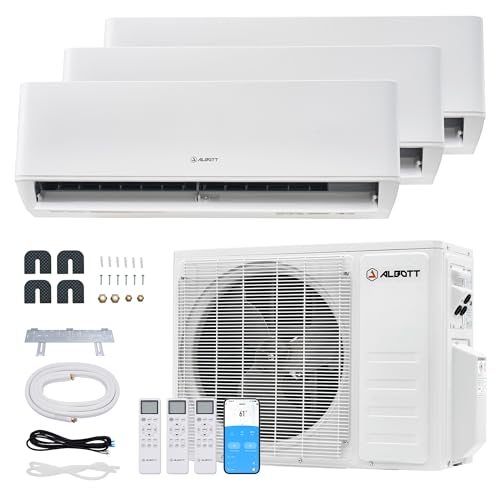
A three zone mini split is a ductless system built around a single outdoor compressor connected to three separate indoor air handlers. Each indoor unit is installed in a different room or zone, and each can be controlled independently. This means you can cool a bedroom, a living room, and a home office at the same time, each at its own temperature setting, without installing ductwork.
Unlike a single-zone ductless system, a three zone configuration is designed for households that need targeted comfort in multiple areas. It sits between a single-zone unit and a full central air conditioning system in terms of complexity and coverage. For homes without existing ducts, or for additions and older properties, a three zone mini split is often the most practical way to achieve multi-room cooling.
The system is also known as a tri-zone mini split or multi-zone ductless system. The core appeal is flexibility: you can run one zone during the day and another at night, reducing energy waste compared to cooling the entire house at once.
How a Three Zone Mini Split Works
The outdoor unit houses the compressor and condenser. It connects to three indoor air handlers through refrigerant lines. Each indoor unit has its own evaporator coil and blower, and each is controlled by a dedicated remote or wall thermostat.
Key Components
- Outdoor compressor unit: The heart of the system, sized to handle the combined load of all three zones.
- Three indoor air handlers: Wall-mounted, ceiling cassette, or floor-mounted styles are available depending on room layout.
- Refrigerant line sets: Each zone requires its own line set running from the outdoor unit to the indoor unit.
- Zone controls: Each indoor unit has independent temperature control, often with Wi-Fi and scheduling features on mid-range and premium models.
Because each zone operates independently, the system can modulate output based on demand. Inverter-driven compressors, common in modern three zone systems, adjust speed continuously rather than cycling on and off. This is the same principle covered in our guide to inverter AC technology, and it is a major reason multi-zone systems can be efficient when used correctly.
Who Should Consider a Three Zone Mini Split?
A three zone system is a strong fit for specific situations. It is not the right answer for every home, so consider the following profiles:
- Homes without ductwork: Older homes, additions, and converted spaces often have no ducts. A ductless multi-zone system avoids major renovation.
- Multi-story or split-layout homes: If bedrooms are upstairs and living areas are downstairs, separate zones make sense.
- Mixed-use spaces: A home office, a garage conversion, or a sunroom may need cooling at different times than the main living area.
- Households with varied schedules: Independent zone control reduces cooling in unoccupied rooms.
- Renters or temporary setups: While a three zone system is a permanent installation, some owners use mini splits in properties where ductwork is not feasible. For truly temporary needs, a portable air conditioner or a window air conditioner may be more appropriate.
If your home already has well-maintained ductwork and a central system, a three zone mini split may be redundant. In that case, investigating central system upgrades or zoning dampers may be more sensible.
Sizing a Three Zone Mini Split
Sizing is the most important decision. A three zone system has a combined capacity, but each indoor unit also has its own capacity. You need to match the outdoor unit to the total load while ensuring each indoor unit fits its room.
Start with room-by-room BTU estimates. A rough rule of thumb is 20 BTU per square foot, but that ignores ceiling height, insulation, windows, and climate. For a more reliable estimate, use a BTU calculator or consult a professional load calculation. Our guide on how to size an air conditioner walks through the variables in detail.
Typical Capacity Ranges by Zone
- Small bedroom or office (up to 250 sq ft): 8,000–10,000 BTU indoor unit.
- Medium living room (250–400 sq ft): 12,000–14,000 BTU indoor unit.
- Large master bedroom or open area (400–600 sq ft): 18,000–24,000 BTU indoor unit.
The outdoor unit must be able to handle the sum of the indoor units, but it does not need to match the sum exactly. Many systems allow a combination ratio where the total indoor capacity is slightly higher than the outdoor capacity, since not all zones run at full load simultaneously. This is a normal design feature, not a flaw.
Oversizing is a common mistake. An oversized system cools quickly but dehumidifies poorly and cycles more often. Undersizing leaves rooms uncomfortable on peak days. For a deeper look at the consequences, see AC too big or too small.
Capacity Planning Table
| Zone | Room Type | Approx. Area | Suggested Indoor Capacity | Best For |
|---|---|---|---|---|
| Zone 1 | Bedroom | Up to 250 sq ft | 9,000 BTU | Essential tier comfort |
| Zone 2 | Living room | 250–400 sq ft | 12,000 BTU | Balanced tier coverage |
| Zone 3 | Home office | Up to 200 sq ft | 9,000 BTU | Essential tier comfort |
Use this table as a starting point only. A professional load calculation accounts for windows, insulation, orientation, and local climate.
Efficiency and Features to Look For
Efficiency in a three zone system is influenced by the compressor technology, the SEER rating of the outdoor unit, and how the system is used. Inverter compressors are standard on mid-range and premium systems and allow variable-speed operation. This reduces temperature swings and improves part-load efficiency.
When comparing systems, look at the SEER rating of the outdoor unit, but also consider the individual zone performance. A high-efficiency outdoor unit paired with poorly sized indoor units will not deliver its rated performance. Our guide to what is SEER rating explains how the metric works.
Feature Checklist
- Inverter compressor: Smoother operation and better part-load efficiency.
- Independent zone control: Each indoor unit should have its own thermostat or remote.
- Wi-Fi and smart control: Useful for scheduling and remote monitoring. See our guide to AC with Wi-Fi and smart control.
- Heat pump capability: Many mini splits offer both cooling and heating. Our page on AC with heat pump covers the benefits.
- Quiet operation: Indoor units vary in sound levels. If bedrooms are involved, check decibel ratings. Our guide to quiet air conditioner options is a useful reference.
- Filtration: Washable filters are standard. Some models offer additional air purification.
Installation Considerations
A three zone mini split is not a DIY project for most homeowners. It requires refrigerant handling, electrical work, and proper line set routing. Key installation factors include:
- Outdoor unit placement: Needs adequate clearance and a stable mounting surface. Avoid enclosed spaces that recirculate hot air.
- Line set routing: Each zone requires a refrigerant line set. The length and elevation differences must be within manufacturer limits.
- Electrical capacity: Multi-zone systems often require a dedicated circuit. Check your electrical panel before committing. Our guide on 110V vs 240V AC unit explains voltage considerations.
- Permits: Many jurisdictions require permits for HVAC installation. Our page on how to get AC permit covers the basics.
- Professional installation: Proper vacuuming and refrigerant charging are essential for performance and warranty coverage. Our guide to how to choose HVAC contractor helps you vet installers.
If you are comparing ductless and ducted options, our article on ductless vs ducted AC provides a side-by-side view.
Three Zone Mini Split vs Other Options
Understanding how a three zone system compares to alternatives helps you make an informed decision:
- Vs. single-zone mini split: A single-zone system cools one area. Three zones add independent control for multiple rooms. Our ductless mini-split AC overview covers single-zone basics.
- Vs. central AC: Central systems use ducts and cool the whole house. Three zone mini splits avoid duct losses and allow room-by-room control. Central systems can be more suitable for large homes with existing ducts.
- Vs. multiple window units: Window units are simpler but block windows and are less efficient. A three zone system is a permanent, integrated solution. For temporary or single-room needs, a window air conditioner may suffice.
- Vs. portable AC: Portable units are movable but generally less efficient and require venting. Our portable air conditioner guide explains the trade-offs.
System Tier Comparison
| Tier | Typical Features | Best For |
|---|---|---|
| Essential tier | Standard inverter, basic remote, independent zone control | Basic multi-room cooling in mild climates |
| Balanced tier | Higher SEER, Wi-Fi control, improved filtration, quiet operation | Most homes seeking efficiency and convenience |
| High-end tier | Premium efficiency, advanced smart features, heat pump capability, very low noise | Whole-home comfort with premium requirements |
For homes needing more than three zones, a larger multi-zone system or a combination of mini splits and central equipment may be appropriate. Our whole house AC system guide covers broader options.
Maintenance Tips for Multi-Zone Systems
Routine maintenance keeps a three zone system efficient and extends its lifespan. Because there are multiple indoor units, maintenance takes slightly more time than a single-zone setup.
- Clean or replace filters every 4–8 weeks during heavy use. Each indoor unit has its own filter. Our guide on how to clean AC filter covers the process.
- Keep outdoor unit clear of debris. Leaves and dirt reduce heat exchange efficiency. See clean condenser coils for details.
- Schedule annual professional service. A technician should check refrigerant levels, electrical connections, and drain lines. Our annual service cost article explains what to expect.
- Monitor for leaks and unusual noises. Early detection prevents larger repairs. Our troubleshooting guides cover AC leaking water and AC making noise.
Frequently Asked Questions
Can a three zone mini split cool three rooms at the same time?
Yes. Each indoor unit operates independently, so all three zones can run simultaneously. However, the outdoor unit has a total capacity limit, and running all zones at maximum demand may reduce the performance of individual zones. Most systems are designed so that not all zones run at full load at once.
Do I need a separate electrical circuit for a three zone system?
Most multi-zone systems require a dedicated circuit, often 240V. The exact requirement depends on the model. Check the manufacturer's specifications and consult a licensed electrician. Our amps and breaker size guide is a useful starting point.
How long does installation take?
A typical three zone installation takes one to two days, depending on line set routing, electrical work, and site conditions. Complex installations may take longer. Professional installation is strongly recommended to preserve warranty coverage and ensure proper refrigerant charging.
Can a three zone mini split heat as well as cool?
Many models are heat pumps and provide both cooling and heating. Heating performance varies by climate. In cold climates, a cold-climate heat pump model is recommended. Our heat pump vs air conditioner guide explains the differences.
What is the difference between a three zone and a four zone mini split?
The difference is the number of indoor units connected to the outdoor unit. A four zone system supports four indoor units. The right choice depends on how many rooms you need to condition. Adding zones increases installation complexity and may require a larger outdoor unit.
Is a three zone mini split suitable for a whole house?
It can be for smaller homes or specific layouts, but a whole-house solution often requires more zones or a combination of systems. For larger homes, a central system or a larger multi-zone setup may be more appropriate. Our whole house AC system guide covers the options.
How do I know if my home is a good candidate?
If you lack ductwork, need independent room control, or have a multi-story layout, a three zone mini split is worth considering. A professional load calculation and site assessment will confirm whether the system fits your home's electrical capacity and layout.
Related Guides and Resources
Exploring related topics helps you build a complete picture before purchasing. The following resources cover adjacent topics that often come up when evaluating a three zone mini split:
- Inverter AC technology — understand how variable-speed compressors improve efficiency.
- How to size an air conditioner — detailed sizing methodology.
- What is SEER rating — efficiency metrics explained.
- Ductless mini-split AC — single-zone and multi-zone fundamentals.
- AC with Wi-Fi and smart control — smart features for multi-zone systems.
- AC with heat pump — year-round comfort options.
- Quiet air conditioner — noise considerations for bedrooms and offices.
- How to choose HVAC contractor — selecting a qualified installer.
- Ductless vs ducted AC — system comparison.
- Whole house AC system — broader home cooling strategies.