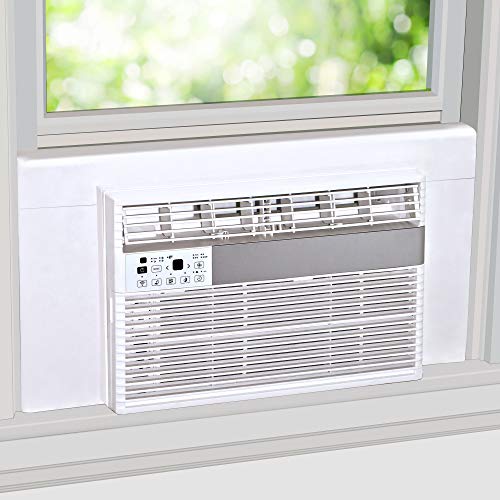
Window Air Conditioner Repair: Complete DIY Guide & Solutions
Diagnose and fix the most common window AC problems with step-by-step instructions. Save on service calls and restore cool comfort to your room.
START DIAGNOSINGWhy This Guide Matters: A window air conditioner is one of the most reliable cooling solutions for single rooms, but it will eventually develop issues. Understanding how to troubleshoot problems yourself can restore cooling quickly and extend the unit's lifespan. This guide walks you through every common failure point, from simple filter clogs to electrical faults, so you can decide what to fix yourself and when to call a professional.
How a Window Air Conditioner Works
A window AC unit is a self-contained cooling system. It pulls warm indoor air through an evaporator coil, absorbs heat, and releases cool air back into the room. The absorbed heat travels to the condenser coil on the outdoor side, where it dissipates. A compressor circulates refrigerant between the two coils, while a fan moves air across both. Any disruption in this cycle — a dirty coil, a failing fan, or a refrigerant leak — causes the unit to underperform or stop cooling entirely. Before attempting any repair, always unplug the unit from the power outlet.
Common Window AC Problems & Likely Causes
Use this quick-reference table to identify the most probable cause of your window unit's malfunction. Match the symptom to the cause, then follow the corresponding repair section below.
| Symptom | Most Likely Cause | Repair Difficulty |
|---|---|---|
| Unit runs but blows warm air | Dirty filter, clogged coils, or low refrigerant | Easy to Moderate |
| Water leaking into the room | Improper tilt, clogged drain, or frozen coil | Easy |
| Unit won't turn on | Tripped breaker, faulty plug, or bad thermostat | Moderate |
| Loud rattling or buzzing | Loose panels, fan blade damage, or compressor wear | Moderate |
| Ice forming on the unit | Restricted airflow, low refrigerant, or dirty filter | Easy to Moderate |
| Foul smell from vents | Mold or mildew on the evaporator coil or filter | Easy |
| Short cycling (turns on and off rapidly) | Oversized unit, faulty thermostat, or dirty condenser | Moderate |
Repairing a Window AC That Won't Cool
This is the most frequent complaint and often the easiest to resolve. Begin with the simplest fix: remove the air filter and inspect it. A clogged filter restricts airflow, causing the evaporator coil to freeze and the unit to blow warm air. Wash the filter with mild soap and warm water, let it dry completely, and reinstall it. If the filter is clean, move to the evaporator and condenser coils. Dust and debris accumulate on the fins and block heat transfer. Vacuum the coils with a soft brush attachment, then spray a commercial coil cleaner and rinse gently. For more on this, see our guide on how to clean the coils of an air conditioner.
If cleaning does not restore cooling, check the thermostat. Set it to the lowest temperature and listen for the compressor to kick in. If the compressor does not start, the problem may be a faulty capacitor or a refrigerant leak. A window unit running but not producing cold air often points to a refrigerant issue, which requires a certified technician. Our article on window air conditioner not blowing cold air but running covers this scenario in greater depth.
Fixing Water Leaks in a Window AC
Water dripping into your room is usually a drainage problem, not a refrigeration problem. The first thing to check is the unit's tilt. A window AC should slope slightly downward toward the outside so that condensation drains out the back. If the unit is level or tilted inward, water will pool and spill inside. Adjust the installation bracket or add shims until the rear sits about a quarter-inch lower than the front.
If the tilt is correct, inspect the drain channel and drain pan at the bottom of the unit. These can become clogged with dirt, mold, and insect debris. Flush the channel with water and use a pipe cleaner or thin wire to clear blockages. A frozen evaporator coil can also cause leaks once it thaws, so check for ice buildup and address the underlying airflow or refrigerant issue. For broader troubleshooting on units that leak, our air conditioner leak repair guide provides additional detail.
Troubleshooting Electrical Problems
If the unit will not power on, start at the outlet. Plug a lamp or phone charger into the same outlet to confirm it has power. Check your home's circuit breaker panel; window AC units draw significant current and can trip a breaker. If the breaker trips repeatedly, the circuit may be overloaded or the unit may have a short. Do not keep resetting a breaker that trips immediately.
Next, inspect the power cord and plug for cracks or burn marks. A damaged cord must be replaced before further use. If the unit has power but the controls do not respond, the thermostat or control board may have failed. Many modern window units use digital control boards that are not user-serviceable; in that case, replacing the board or consulting a technician is the practical path. For general cooling system failures that mirror central system symptoms, see our resources on my AC fan is running but no cold air.
Silencing Rattles, Buzzing, and Squealing
Noise complaints are common and often traceable to loose components. Tighten all visible screws on the front panel and cabinet. Check the fan blade for debris or cracks; a bent blade will wobble and create a rhythmic rattle. Remove the front grille and inspect the blower wheel for accumulated dust, which can unbalance the fan. If the noise is a persistent high-pitched squeal, the fan motor bearings may be failing and require lubrication or replacement. A deep buzzing from the compressor area may indicate a failing capacitor or compressor, which is a job for a professional.
When to Call a Professional
Some repairs are safe for a confident DIYer, but others require certification and specialized tools. Call a licensed HVAC technician if you suspect a refrigerant leak (indicated by ice buildup, hissing sounds, or a complete loss of cooling), if the compressor fails to start after capacitor replacement, or if the unit has sustained electrical damage. Refrigerant handling is regulated and should never be attempted without proper training. If your window unit is older and repairs become frequent, replacing it may be the more sensible long-term choice. For broader guidance on residential cooling systems, explore our resources on central air repair and energy-efficient HVAC systems.
Preventive Maintenance to Avoid Future Repairs
Regular maintenance is the most effective way to keep a window AC running reliably. Clean or replace the air filter every two to four weeks during peak cooling season. Vacuum the evaporator and condenser coils at the start of each season. Check the drain channel monthly and flush it to prevent clogs. Before storing the unit for winter, clean it thoroughly, dry all components, and cover it to prevent dust intrusion. These simple habits reduce strain on the compressor and extend the unit's service life. Our AC annual service cost guide explains what professional maintenance typically involves.
Frequently Asked Questions
Why is my window air conditioner running but not blowing cold air?
The most common causes are a dirty air filter, blocked condenser coils, a faulty thermostat, or low refrigerant. Start by cleaning the filter and coils before checking electrical components.
How often should I clean my window AC filter?
Clean the filter every two to four weeks during heavy use, and at least once per season if used less frequently. A clogged filter reduces cooling efficiency and strains the compressor.
Can I repair a window AC myself?
Yes, many common issues like dirty filters, clogged drain channels, loose parts, and thermostat problems can be fixed with basic tools. Refrigerant leaks and compressor failures require a certified technician.
What causes a window air conditioner to leak water inside the room?
Water leaks usually stem from a clogged drain channel, improper installation tilt, a frozen evaporator coil, or a damaged drain pan. Check the installation angle first, then clean the drainage path.
Is it worth repairing an old window AC?
If the unit is under ten years old and the repair involves a simple component like a capacitor, fan motor, or thermostat, repair is often worthwhile. If the compressor has failed or the unit uses outdated refrigerant, replacement is usually the better long-term decision.