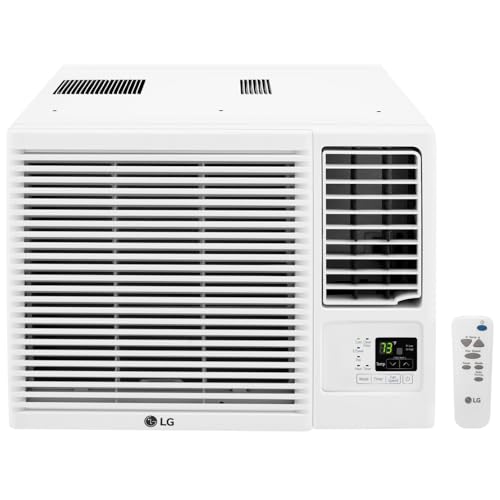
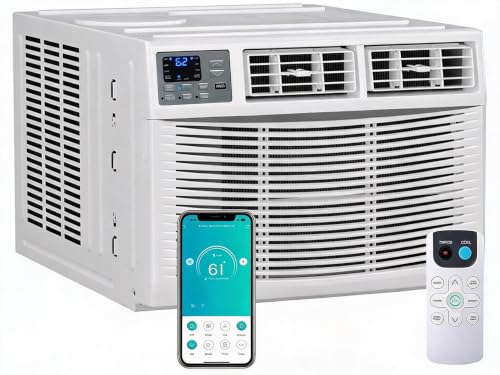
18,000 BTU Heat-Cool Window Air Conditioner: The Complete Buyer's Guide
If you need one window unit that can cool a large room in summer and take the chill off in cooler months, an 18,000 BTU heat-cool window air conditioner is a practical place to look. This guide explains how these units work, which spaces they suit, what to check before buying, and how to keep them running well.
START READINGWho this guide is for: homeowners, renters, and property managers who have already identified an 18,000 BTU heat-cool window unit as a likely fit and now want clear, complete information before making a purchase decision. The goal is to help you understand the category thoroughly so you can choose confidently.
What Is an 18,000 BTU Heat-Cool Window Air Conditioner?
An 18,000 BTU heat-cool window air conditioner is a single window-mounted appliance that provides both cooling and heating. The cooling side works like any window AC: refrigerant absorbs heat from indoor air and releases it outdoors. The heating side typically uses electric resistance elements, though some models pair the compressor with a heat-pump-style reverse cycle. The result is a dual-season unit that installs in a window opening and conditions one room or a connected open area.
At 18,000 BTU, this class sits above typical bedroom-sized window units. It is a serious cooling appliance intended for larger rooms, open-plan living areas, finished basements, and similar spaces where a smaller unit would struggle. Because it combines heating and cooling in one chassis, it can simplify equipment needs in mild-to-moderate climates, guest spaces, and supplemental setups.
Cooling Function
Delivers roughly 18,000 BTU of cooling capacity, suitable for large rooms when the space, insulation, and climate are appropriate. Look for adjustable fan speeds, directional louvers, and a programmable thermostat for consistent comfort.
Heating Function
Adds a heating mode for cool seasons. Heating output and type vary by model. Electric resistance heat is common and effective as supplemental warmth; confirm the heating capacity if you plan to rely on it as a primary source.
Window Installation
Designed to sit in a double-hung window with a support bracket. Larger and heavier than small window units, so proper bracing, sealing, and sometimes professional installation are recommended.
Electrical Demand
Most 18,000 BTU window units use 230/208V or 240V power rather than a standard 115V outlet. A dedicated circuit and correct breaker are typically required. Always verify the electrical specification before purchase.
Room Sizing: Is 18,000 BTU Right for Your Space?
Capacity guidance is a starting point, not a guarantee. An 18,000 BTU window air conditioner is commonly associated with rooms in the roughly 700–1,000 square foot range, but real-world performance depends on several factors. Use the points below to judge whether this capacity class matches your room.
- Ceiling height: Standard 8-foot ceilings are assumed in most sizing charts. Taller ceilings increase the air volume the unit must condition.
- Insulation and window quality: Well-insulated rooms with modern windows hold conditioned air better than older, drafty spaces.
- Sun exposure: West- and south-facing rooms with large uncovered windows gain more heat and may need more capacity or shading strategies.
- Occupancy and appliances: Kitchens, home offices with equipment, and rooms with many occupants generate additional heat.
- Climate: Hotter, more humid climates place greater demand on cooling capacity and dehumidification.
If your room is significantly larger or your conditions are demanding, consider whether a higher-capacity window unit or a different system type is more appropriate. Our overview of the 18,000–24,000 BTU AC range can help you compare neighboring capacity classes, and the broader AC sizing guide explains the calculation process in detail.
Efficiency Ratings to Check
Window air conditioners are rated using standardized efficiency metrics. For an 18,000 BTU unit, the two most relevant are CEER and EER. Understanding these helps you compare models on a like-for-like basis.
| Rating | What It Measures | Why It Matters |
|---|---|---|
| EER | Energy Efficiency Ratio at a single test condition | Useful for comparing raw cooling efficiency between models |
| CEER | Combined Energy Efficiency Ratio across a seasonal profile | Better reflects real-world window AC usage over a cooling season |
| Heating Efficiency | Varies by heating method; resistance heat is typically less efficient than reverse-cycle heat | Important if you plan to use the heating mode frequently |
| ENERGY STAR | Certification indicating the model meets efficiency criteria for its class | Useful shortcut for identifying higher-efficiency options |
For a deeper explanation of the metrics, see our guides to energy efficiency ratings and the window air conditioner energy efficiency rating. Higher-efficiency models usually sit in a higher tier of the market, but they can be a worthwhile investment for rooms that run the unit heavily each season.
Features That Matter in This Class
Mid-range and premium 18,000 BTU heat-cool window units tend to separate themselves through control options, noise management, and build quality. Consider which features align with how you will actually use the unit.
Smart Controls and Thermostats
Wi-Fi control and programmable thermostats let you schedule cooling and heating, which improves comfort and avoids running the unit unnecessarily. See our guide to AC with Wi-Fi and smart control for an overview of what these systems offer.
Quiet Operation
Larger window units can be noticeable in small, hard-surfaced rooms. Look for models marketed with low-noise operation, and check user feedback about sound levels during high-fan cooling and heating modes.
Air Filtration
Washable filters are standard, but some units add filtration stages or ionizers. If indoor air quality is a priority, review AC with air purifier options and confirm that filters are easy to access and replace.
Build and Mounting Hardware
Heavier units benefit from reinforced mounting brackets and solid window sealing kits. Check that the included hardware suits your window type, and plan for additional bracing if recommended by the manufacturer.
Inverter vs. Standard Compressor in Large Window Units
Inverter technology is increasingly available in larger window air conditioners, including heat-cool models. Instead of cycling the compressor fully on and off, an inverter unit varies compressor speed to hold a target temperature. In practice, this often means steadier room temperature, less noticeable starts and stops, and efficient operation during long cooling or heating sessions.
Standard single-speed units are simpler, with fewer electronic components and a straightforward on/off cycle. They remain widely available and can be a solid choice when the unit is used intermittently. If you want a closer look at the trade-offs, our comparison of inverter vs. non-inverter AC covers the topic in depth, and the dedicated inverter AC guide explains how the technology works.
Electrical Requirements and Installation Considerations
Because 18,000 BTU units draw substantial power, electrical planning is essential. Most models in this class require a 230/208V or 240V circuit. Before ordering, confirm the following:
- Outlet type and voltage: Check the product specification for the required plug and circuit. Many large window units do not run on standard 115V household outlets.
- Dedicated circuit: A dedicated circuit sized to the unit’s amperage is typically recommended to avoid overloading shared circuits.
- Breaker size: Match the breaker to the manufacturer’s requirement. Our guide to amps and breaker size for AC explains how to interpret nameplate ratings.
- Window support: Large units are heavy. Use the manufacturer’s bracket or a properly rated support system, and confirm your window frame can bear the load.
- Sealing: A tight window seal prevents cooled or heated air from escaping and keeps insects and drafts out. Insulation strips and side panels should fit snugly.
If you are unsure about your home’s electrical capacity, consult a licensed electrician before installation. For related reading, see our explanation of the difference between 110V vs. 240V air conditioners.
How the 18,000 BTU Heat-Cool Class Compares
The table below places this class in context against neighboring options. It focuses on positioning and typical use rather than numeric specifications, since model details vary by brand.
| Class | Typical Best For | Notes |
|---|---|---|
| 12,000–14,000 BTU window AC | Medium to large rooms, bedrooms, smaller living areas | Often available in 115V versions; lighter and easier to install |
| 18,000 BTU heat-cool window AC | Large rooms, open living areas, finished basements, supplemental heating | Dual-season capability; usually requires 230/240V power |
| 24,000 BTU window AC | Very large rooms or demanding conditions | Higher capacity; confirm electrical and mounting requirements carefully |
| Ductless mini-split | Whole-room comfort with quieter indoor operation | Separate indoor and outdoor units; professional installation typical |
If you are comparing capacities, our pages on 12,000–14,000 BTU AC and 18,000 BTU window air conditioner with heat provide additional context. For homes without suitable windows or where noise is a major concern, a ductless mini-split AC is worth considering as an alternative.
Maintenance for Long-Term Performance
Regular maintenance keeps both the cooling and heating sides working efficiently. A practical routine for an 18,000 BTU heat-cool window unit includes:
- Filter care: Clean washable filters every two to four weeks during heavy use. Replace disposable filters according to the manufacturer’s schedule.
- Coil cleaning: Keep evaporator and condenser coils free of dust and debris. Seasonal cleaning supports efficient heat transfer.
- Drainage: Check that the condensate drain path is clear so water does not back up or drip indoors.
- Window seal inspection: Re-seal side panels and insulation if gaps develop, especially before heating season.
- Exterior clearance: Ensure the outdoor portion of the unit is not blocked by furniture, plants, or debris.
- Seasonal check: Before switching to heating mode, test the heating function and confirm the thermostat responds correctly.
For a broader routine, see our AC maintenance guide and the seasonal AC checklist. If you notice unusual noises, weak airflow, or inconsistent heating, our troubleshooting resources such as AC not cooling and AC making noise can help you identify common causes.
Buying Checklist Before You Decide
Use this checklist to organize your research. It is designed to help you evaluate any 18,000 BTU heat-cool window air conditioner on its merits rather than on marketing claims.
| Checkpoint | What to Confirm |
|---|---|
| Room fit | Room size, ceiling height, insulation, sun exposure, and occupancy align with the unit’s intended capacity range |
| Heating needs | Heating type and output match your climate and whether the unit is primary or supplemental heat |
| Electrical setup | Voltage, plug type, circuit, and breaker match the manufacturer’s requirements |
| Efficiency | CEER/EER ratings and ENERGY STAR status are competitive within the class |
| Features | Controls, scheduling, noise level, and filtration match how you will use the unit |
| Installation | Window type, bracket, sealing kit, and weight are manageable for your setup |
| Support | Warranty terms, filter availability, and service network are adequate for your location |
Frequently Asked Questions
What size room does an 18,000 BTU heat-cool window air conditioner cool?
An 18,000 BTU window air conditioner is generally designed for rooms of roughly 700 to 1,000 square feet, depending on ceiling height, insulation quality, sun exposure, window area, and local climate. Larger, hotter, or poorly insulated spaces may need additional capacity or a different system type.
Can an 18,000 BTU window AC also heat a room?
Yes. Heat-cool models include a heating function in addition to cooling. Many units use electric resistance heat, which works well in mild climates or as a supplemental heat source. In colder climates, heating capacity and efficiency should be checked carefully before relying on the unit as a primary heat source.
Does an 18,000 BTU heat-cool window AC require a 240V outlet?
Most 18,000 BTU window air conditioners operate on 230/208V or 240V circuits rather than standard 115V household outlets. Always confirm the electrical requirements in the product specifications and verify that a dedicated circuit and correct breaker are available before installation.
Is an inverter 18,000 BTU window AC better than a standard unit?
Inverter models adjust compressor speed to maintain room temperature more steadily, which often improves comfort and energy efficiency, especially during long cooling sessions. Standard single-speed units typically have a simpler design and a lower position in the market. The best choice depends on usage patterns, climate, and personal preferences.
How should an 18,000 BTU heat-cool window air conditioner be maintained?
Clean or replace the air filter every two to four weeks during heavy use, keep the outdoor portion of the unit clear of debris, inspect the window seal for air leaks, and schedule seasonal coil and drain cleaning. Proper maintenance helps preserve cooling and heating performance and extends the working life of the unit.
Ready to Compare 18,000 BTU Heat-Cool Window Units?
Review the recommended models below to compare features, efficiency, and suitability for your space.
View Recommended Models