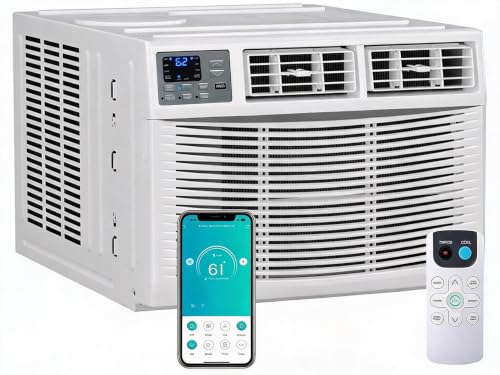
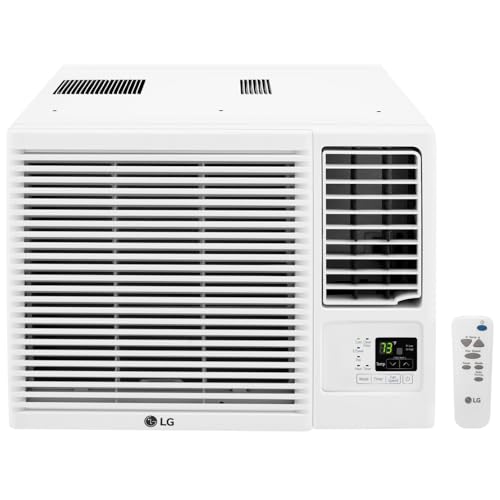
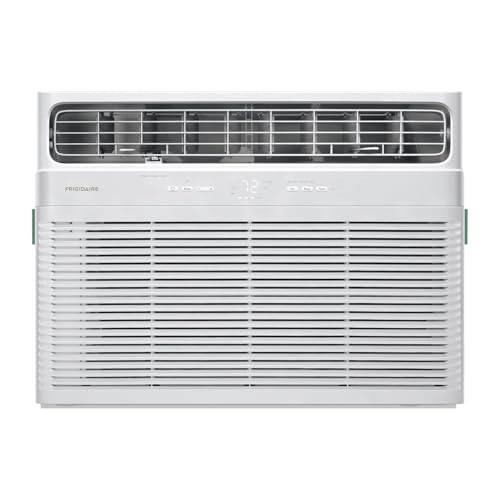
18000 BTU Window Air Conditioner with Heat: The Complete Buyer's Guide
Everything you need to know about selecting, installing, and maintaining a powerful 18,000 BTU window unit that cools and heats — perfect for large rooms and year-round comfort.
START LEARNINGWhy an 18,000 BTU Window AC with Heat? This capacity class bridges the gap between single-room cooling and whole-home systems. With a built-in heating function, it delivers year-round climate control without the need for a separate furnace or heat pump — ideal for large bedrooms, living areas, basements, and open-plan spaces.
What You'll Learn in This Guide
- How 18,000 BTU capacity translates to real-world room coverage
- How window AC units with heat work (heat pump vs. electric resistance)
- Key features to evaluate: inverter technology, energy ratings, smart controls
- Sizing and installation considerations for 18,000 BTU window units
- Maintenance routines that extend unit lifespan
- Answers to the most common buyer questions
Understanding 18,000 BTU Window Air Conditioners with Heat
An 18,000 BTU window air conditioner with heat is a dual-purpose appliance designed to cool and warm a single large room or a defined open area. In cooling mode, 18,000 BTU is typically sufficient for spaces ranging from roughly 700 to 1,000 square feet, depending on ceiling height, insulation quality, window exposure, and local climate. In heating mode, the unit draws on either a reverse-cycle heat pump mechanism or electric resistance heating elements to provide supplemental warmth during cooler months.
This capacity class sits at the upper end of the window AC spectrum. Units in this range are heavier and require a sturdy window frame or wall sleeve, and many are designed for 230/240-volt circuits rather than standard 115-volt outlets. Before purchasing, confirm your electrical setup — a dedicated circuit is often necessary for safe, efficient operation.
For buyers who need cooling only, an 18000 BTU 115V window air conditioner may be a more straightforward option. But if you want a single unit that handles both seasons, the heat-capable variant is the smarter long-term investment.
How Does the Heating Function Work?
Window air conditioners with heat generally fall into two categories:
1. Heat Pump Models (Reverse Cycle)
These units use a reversing valve to flip the refrigerant cycle. In summer, they move heat from indoors to outdoors (cooling). In winter, they reverse the flow to extract ambient heat from outdoor air and release it indoors. Heat pump models are highly efficient — often delivering more heating output per unit of electricity than resistance heaters. They perform best in mild-to-moderate climates and may lose effectiveness in extreme cold.
2. Electric Resistance Heat Models
These units supplement the cooling system with resistive heating coils. They are simpler in design and can operate in colder outdoor temperatures, but they consume more electricity per BTU of heat delivered. If you live in a region with harsh winters, a resistance-heat model may be the more reliable choice for supplemental warmth.
Understanding the distinction matters: heat pump models tend to be more energy-efficient overall, while resistance models offer consistent performance regardless of outside temperature. Both types deliver the convenience of a single appliance for year-round comfort.
Key Features to Evaluate
Inverter Technology
Inverter compressors modulate speed continuously rather than cycling on and off, delivering steadier temperatures, quieter operation, and better energy efficiency over time.
Energy Efficiency Ratings
Look for high CEER (Combined Energy Efficiency Ratio) values, which account for both cooling and heating performance. Learn how efficiency ratings work.
Smart Controls & Wi-Fi
Many modern units offer app-based control, scheduling, and voice assistant compatibility. See our guide to ACs with Wi-Fi and smart control.
Quiet Operation
Sound levels matter in bedrooms and living areas. Check decibel ratings and look for units marketed as quiet air conditioners.
Air Filtration
Washable filters and optional air-purifying features improve indoor air quality. Explore ACs with air purifiers for added benefit.
Installation Type
Standard window mount vs. through-the-wall sleeve. If wall installation suits your space, consider a through-the-wall AC alternative.
Is 18,000 BTU the Right Size for Your Room?
Capacity selection is the single most important decision. An undersized unit struggles to reach the set temperature, while an oversized unit short-cycles, leaving humidity unchecked and wearing out components faster. Use the following as a general guideline:
| Room Size (sq ft) | Recommended BTU Range | Typical Use Case |
|---|---|---|
| 500 – 700 | 12,000 – 14,000 BTU | Large bedroom, small living room |
| 700 – 1,000 | 18,000 BTU | Open-plan living area, master suite, basement |
| 1,000 – 1,200 | 24,000 BTU | Very large room or combined spaces |
Adjust upward for rooms with high ceilings, poor insulation, large south- or west-facing windows, or multiple occupants. Adjust downward for well-shaded, well-insulated spaces. For a deeper dive into capacity classes, see our 18,000–24,000 BTU AC guide.
Installation Considerations
Installing an 18,000 BTU window unit with heat is more involved than fitting a smaller 5,000–8,000 BTU model. Key factors include:
- Electrical requirements: Most 18,000 BTU units require a 230/240-volt dedicated circuit. Confirm your breaker panel can support the load before purchase.
- Window frame strength: These units are heavy. Ensure the window sill and frame can bear the weight, and use proper support brackets.
- Clearance: Outdoor airflow must be unobstructed for efficient heat rejection. Avoid recessed windows or tight enclosures.
- Professional vs. DIY: While many homeowners install window units themselves, the weight and electrical demands of an 18,000 BTU model may warrant professional help. If you need assistance, look for companies that install window air conditioners.
If your window configuration is non-standard, explore alternatives such as a combination air conditioner and heater window unit or a smaller capacity model paired with a portable heater.
Energy Efficiency: What to Look For
Because an 18,000 BTU unit runs on higher wattage than smaller models, efficiency differences translate into meaningful long-term savings. Focus on:
- CEER rating: The combined energy efficiency ratio accounts for both cooling and heating modes. Higher is better.
- ENERGY STAR certification: Indicates the unit meets or exceeds federal efficiency guidelines. Learn more about window air conditioner energy efficiency ratings.
- Inverter compressors: Generally more efficient in real-world use than fixed-speed compressors, especially in part-load conditions.
- Eco and sleep modes: Programmable setbacks reduce energy use during unoccupied hours.
For broader context on efficiency metrics like SEER, EER, and HSPF, see our efficiency of an air conditioner explainer.
Maintenance Tips for Long-Term Performance
Regular upkeep keeps your 18,000 BTU unit running efficiently and extends its service life:
- Clean or replace the air filter every 2–4 weeks during peak season. A clogged filter reduces airflow and strains the compressor.
- Inspect and clean the outdoor coils annually. Dust and debris on condenser coils impair heat transfer in both cooling and heating modes.
- Check the drain path for condensate. Blockages can cause water leakage into the room.
- Schedule professional servicing every 1–2 years to check refrigerant levels, electrical connections, and fan motor condition.
- Store or cover the unit during extended off-seasons if it is removable.
How It Compares to Other Cooling & Heating Options
An 18,000 BTU window AC with heat competes with several alternatives:
| Option | Best For | Considerations |
|---|---|---|
| 18,000 BTU Window AC with Heat | Single large room, year-round use | Requires 230V circuit; heavy; window or wall installation |
| 24,000 BTU Window AC with Heat | Very large rooms or open-plan spaces | Higher capacity, larger physical footprint |
| 24,000 BTU Mini-Split Heat Pump | Whole-home or multi-zone comfort | Professional installation; higher upfront investment; quieter |
| 18,000 BTU Window AC (120V) | Cooling only, standard outlet | No heating function; check plug type |
If heating is a priority but window installation is impractical, a mini-split with thermostat offers superior efficiency and quieter operation, though at a higher installed investment. For cooling-only needs in a large room, the 18,000 BTU heat/cool window air conditioner page covers similar capacities in more detail.
Ready to Compare Models?
Browse our curated selection of 18,000 BTU window air conditioners with heat below. Each listing includes detailed specifications to help you match capacity, efficiency, and features to your space.
View Recommended UnitsFrequently Asked Questions
Can an 18,000 BTU window AC with heat replace a furnace?
No — it is designed as a supplemental or single-room solution. For whole-home heating, a central furnace or heat pump system remains necessary. The heating function is best suited to taking the chill off a large room during mild-to-moderate cold.
What size room will 18,000 BTU cool?
Typically 700–1,000 square feet, but this varies with ceiling height, insulation, sun exposure, and occupancy. Use a BTU calculator or consult a sizing guide for a more precise estimate.
Does a window AC with heat require a special outlet?
Most 18,000 BTU models require a 230/240-volt circuit. Check the product specifications and your home's electrical panel before purchasing. Some units may be available in 115-volt configurations, but they are less common at this capacity.
Is a heat pump window unit better than electric resistance heat?
Heat pump models are generally more energy-efficient in mild climates. Electric resistance models perform more consistently in very cold outdoor temperatures. Choose based on your local winter conditions and efficiency priorities.
How loud is an 18,000 BTU window AC?
Noise levels vary by model. Inverter units tend to run quieter, especially at partial load. Check decibel ratings in product specifications — many modern units operate in the 50–60 dB range on high, lower on eco or sleep settings.