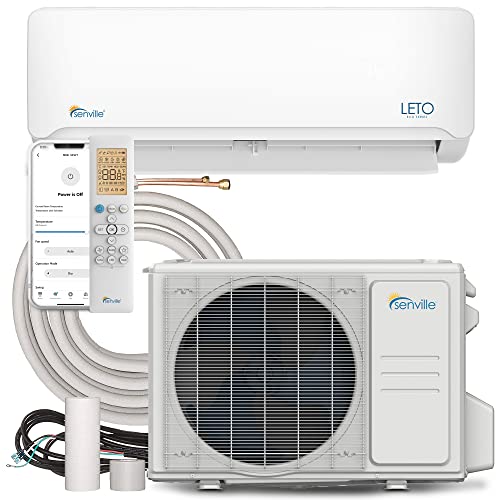
18000 BTU Mini Split Air Conditioner Heat Pump
Everything you need to know about sizing, efficiency, installation, and choosing the right ductless heat pump system for medium to large spaces.
Explore the GuideQuick Summary: An 18000 BTU mini split heat pump is a ductless system designed for medium-to-large rooms and open-plan areas. It combines cooling and heating in one unit, uses inverter technology for efficiency, and delivers zone-specific comfort without ductwork. This guide covers what to look for, how to size it, and which features matter most before you buy.
What Is an 18000 BTU Mini Split Heat Pump?
An 18000 BTU mini split heat pump is a ductless HVAC system with two main components: an indoor air handler mounted on a wall (or ceiling/floor) and an outdoor compressor unit connected by a refrigerant line set. The "18000 BTU" rating refers to its cooling capacity — roughly 1.5 tons — which positions it between smaller single-room units and larger multi-zone systems.
The "heat pump" designation means the system can reverse its refrigerant cycle to provide heating during cooler months. Instead of generating heat, it moves thermal energy from outdoor air into the home — a process that remains effective even in moderately cold climates. This dual capability makes it a genuine year-round comfort solution rather than a cooling-only appliance.
Mini splits are especially popular in homes without existing ductwork, additions, converted garages, and open living areas. They offer zone control, meaning you can condition only the rooms you use, which reduces energy waste compared with central systems that cool the entire house at once.
How Much Space Does 18000 BTU Cover?
Sizing is the single most important decision when selecting a mini split. An undersized unit runs continuously and struggles to maintain temperature; an oversized unit short-cycles, which hurts efficiency and humidity control.
As a general rule, 18000 BTU handles roughly 700 to 1,000 square feet. However, that range shifts based on several factors:
- Ceiling height: Rooms above 8 feet require more capacity.
- Insulation quality: Poorly insulated spaces need extra capacity.
- Window area and sun exposure: South- and west-facing rooms with large glazing gain more heat.
- Climate zone: Hotter climates push sizing toward the upper end.
- Occupancy and appliances: Kitchens, home offices with equipment, and crowded rooms add internal heat load.
For a precise recommendation, ask a technician to perform a Manual J load calculation. If you are still in the research phase, our guide on 18000 BTU cooling area breaks down room-by-room expectations, and the broader how to size an air conditioner article explains the calculation method in detail.
Key Specifications to Compare
When comparing 18000 BTU mini split heat pumps, focus on these specs rather than marketing language. They determine real-world performance, efficiency, and long-term reliability.
| Specification | What to Look For | Why It Matters |
|---|---|---|
| SEER2 Rating | 18+ for mid-range, 20+ for high-end tier | Higher ratings mean lower seasonal energy use |
| HSPF2 Rating | 9+ for heating efficiency | Determines heating performance in cooler months |
| Inverter Compressor | Variable-speed, DC inverter | Better temperature stability and efficiency |
| Operating Range | Down to 5°F or lower for heating | Defines cold-climate capability |
| Noise Level | Under 35 dB indoor at low fan | Comfort in bedrooms and living areas |
| Electrical Requirements | 208/230V dedicated circuit | Ensures safe, code-compliant installation |
| Wi-Fi / Smart Control | App control, scheduling, voice assistants | Convenience and energy management |
Tip: SEER2 and HSPF2 are the updated DOE efficiency metrics that replaced SEER and HSPF. Always compare like-for-like ratings. Our article on what is SEER rating explains the difference and how the new standards affect your purchase.
Market Tiers: Entry-Level to Premium
18000 BTU mini split heat pumps span a wide range of quality tiers. Understanding what each tier typically delivers helps you align features with your priorities.
Entry-Level Tier
Basic inverter operation, single-zone control, essential features. Suitable for budget-conscious buyers who need reliable cooling and heating in a defined space.
Mid-Range Tier
Higher SEER2 ratings, quieter operation, Wi-Fi control, improved cold-climate performance. A balanced choice for most residential applications.
High-End Tier
Top-tier efficiency, ultra-quiet indoor units, advanced filtration, wide operating range, and premium build quality. Ideal for primary living spaces and long-term investment.
Entry-level models often lack low-temperature heating capability and smart features. Mid-range units typically add better inverters and app control. High-end models focus on noise reduction, filtration, and efficiency consistency across extreme temperatures. For a full comparison across capacity ranges, see our 18000 BTU mini split overview.
Heat Pump Performance: What to Expect
The heat pump function is what separates a mini split from a standard air conditioner. During heating mode, the system extracts heat from outdoor air and transfers it indoors. Modern cold-climate inverters maintain capacity well below freezing, though output declines as temperatures drop.
If you live in a region with harsh winters, look for a model rated for low-ambient operation and consider a backup heat source. Models with enhanced vapor injection (EVI) technology perform better in sub-freezing conditions. For a related comparison, our 18000 BTU mini split with 17 SEER heater page covers a variant focused on balanced heating and cooling efficiency.
In milder climates, standard heat pump mini splits handle the majority of the year without supplemental heating, making them a practical replacement for window units and baseboard heaters alike.
Installation Considerations
Mini split installation is not a typical DIY project. It involves mounting the indoor and outdoor units, running and insulating the line set, vacuuming the system, and making electrical connections. Improper installation leads to refrigerant leaks, efficiency loss, and voided warranties.
Key installation factors include:
- Indoor unit placement: High on a wall, clear of obstructions, with airflow directed across the room.
- Outdoor unit placement: Shaded, well-ventilated, and level, with clearance for airflow.
- Line set length: Keep runs within manufacturer limits to preserve capacity.
- Electrical: Most 18000 BTU systems require a dedicated 208/230V circuit.
- Permits: Many jurisdictions require an HVAC permit for mini split installation.
Before hiring a contractor, review our guide on how to choose an HVAC contractor and check whether your project needs a permit via our do I need a permit for AC article.
Efficiency and Long-Term Operation
Because mini splits condition only the spaces you occupy, they often use less energy than central systems in homes with irregular occupancy patterns. Inverter compressors modulate speed rather than cycling on and off, which stabilizes temperature and reduces wear.
To maximize efficiency:
- Set a consistent temperature rather than large swings.
- Clean or replace filters every 4–6 weeks during heavy use.
- Seal gaps around windows and doors in the conditioned room.
- Use ceiling fans to distribute air and allow higher thermostat settings.
- Schedule annual professional maintenance to preserve refrigerant charge and coil cleanliness.
Our clean AC filter guide and ideal AC temperature setting article offer practical steps that apply directly to mini split systems.
Who Should Choose 18000 BTU?
This capacity is a strong fit for:
- Open-plan living and dining areas
- Master bedrooms and large suites
- Home additions and converted garages
- Small offices and studio spaces
- Homes without ductwork that need zone control
If your space is smaller, a lower-capacity unit may be more appropriate. If you need to condition multiple rooms, consider a multi-zone system or evaluate whether a larger single-zone unit paired with a second head makes sense. For broader context on system types, browse our ductless mini split AC category.
Frequently Asked Questions
What size room does an 18000 BTU mini split heat pump cool?
Typically 700 to 1,000 square feet, depending on insulation, ceiling height, window area, and climate. A load calculation provides the most accurate answer.
Can an 18000 BTU mini split heat pump both heat and cool?
Yes. Heat pump mini splits reverse the refrigerant cycle to provide heating in cooler months and cooling in summer, delivering year-round comfort from a single system.
Do I need a licensed technician to install an 18000 BTU mini split?
Yes. Refrigerant handling, vacuuming, and electrical work require licensed or EPA-certified professionals in most regions. Proper installation also protects the manufacturer warranty.
How loud is an 18000 BTU mini split heat pump?
Indoor units typically run between 20 and 45 dB depending on fan speed. Outdoor units range from 50 to 60 dB. Premium inverter models are generally quieter at low speeds.
Related Guides
If you are comparing system types or capacities, these pages may help: