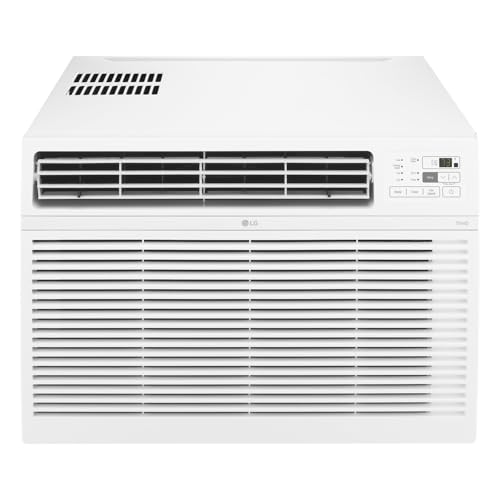
24 Volt Air Conditioner for Heavy Equipment
Everything operators and fleet owners need to know about choosing, installing, and maintaining a 24V DC cooling system for construction, agricultural, and off-road machinery cabs.
Operator comfort is no longer a luxury on modern job sites. Heat stress reduces focus, increases fatigue, and can lead to costly mistakes behind the controls of excavators, loaders, dozers, tractors, and other heavy machines. A 24 volt air conditioner for heavy equipment is a purpose-built solution that cools the cab using the machine's 24V DC electrical system, which is standard on most commercial trucks and off-road equipment.
This guide explains how these systems work, the main types available, what to look for during selection, and how to keep them running reliably in demanding environments.
Quick answer: A 24V air conditioner is a DC-powered cooling unit designed to run directly from the 24-volt electrical system common in heavy machinery. It cools the operator cab without an engine belt drive, and it can often run from the battery bank for idle-free cooling. Capacity, mounting style, and electrical compatibility are the three factors that matter most when choosing one.
Why Heavy Equipment Needs Dedicated Cab Cooling
Heavy equipment cabs are hostile environments. Large glass surfaces create a greenhouse effect, engine and hydraulic heat radiate into the operator space, and many machines operate in direct sun for long shifts. Factory HVAC systems on some machines are adequate, but older equipment, specialized attachments, and machines used in extreme climates often need supplemental or replacement cooling.
Key reasons operators choose a 24V system:
- Direct electrical compatibility. Most heavy trucks, construction equipment, and agricultural machinery use 24V electrical systems, so a 24V unit connects without a voltage converter.
- Idle-free cooling. Many units can run from the battery bank while the engine is off, reducing fuel use and engine wear.
- Independent of engine belts. A DC compressor does not depend on the engine's accessory belt, which simplifies installation and reduces mechanical load.
- Retrofit flexibility. Roof-mount and split systems can be added to machines that never had factory air conditioning.
Types of 24V Air Conditioners for Heavy Equipment
There are two main configurations, plus a few supporting accessories worth knowing about.
Roof-Mount 24V Units
These are all-in-one units that mount on the cab roof. They are popular for retrofits because they do not require refrigerant lines routed through the cab interior. Roof-mount units are self-contained, which simplifies installation, but they add height and weight to the cab and must be sized to fit the roof opening.
Split 24V Systems
Split systems separate the condenser and evaporator. The condenser is typically mounted outside the cab (often behind or beside it), and the evaporator is mounted inside. Split systems offer more flexibility for machines with limited roof space, but they require refrigerant line routing and professional charging.
Supporting Accessories
Many installations use a 24 volt DC to 240 volt AC inverter when a unit needs to run from a standard AC power source during maintenance, or when an AC-powered unit is preferred but only 24V DC is available on the machine. Proper fusing, relays, and circuit protection are essential for safe operation.
Key Features to Evaluate Before Buying
Heavy equipment duty cycles are far more demanding than residential use. Look for these traits when comparing models.
Cooling Capacity (BTU)
Cab size, glass area, insulation, and climate determine the right capacity. Small, well-insulated cabs may need around 5,000 to 7,000 BTU, while larger cabs or machines operating in extreme heat may require 9,000 to 12,000 BTU or more. Undersizing leads to constant running; oversizing causes short cycling that removes little humidity.
Electrical Efficiency and Current Draw
DC compressors vary in efficiency. Lower current draw protects the machine's battery and charging system, especially during idle-free operation. Confirm the unit's startup surge and continuous amp draw, and verify that the machine's alternator can replenish the battery during normal work cycles.
Durable Construction
Heavy equipment environments involve vibration, dust, mud, and temperature swings. Look for reinforced housings, weather-resistant coatings, sealed electrical connectors, and vibration-isolated compressor mounts. Off-road-rated units are specifically engineered for these conditions.
Refrigerant and Serviceability
Modern units typically use R134a or R1234yf. Confirm that local service technicians can recharge and repair the system. Easy access to filters, drain lines, and electrical components reduces downtime.
Controls and Integration
Look for straightforward controls that operators can use with gloves on. Some units offer remote thermostats or integration with the machine's existing control systems. See this guide to a mini split remote thermostat for an idea of how remote control options work.
Sizing Guide by Cab Type
The table below offers general guidance. Always confirm with the unit manufacturer or a qualified HVAC technician familiar with off-road equipment.
| Cab Category | Typical BTU Range | Best For |
|---|---|---|
| Compact cab (small skid steer, mini excavator) | 5,000 – 7,000 BTU | Entry-level retrofits and small enclosed cabs |
| Mid-size cab (standard excavator, wheel loader) | 7,000 – 9,000 BTU | Mid-range machines with average glass area |
| Large cab (dozer, motor grader, harvester) | 9,000 – 12,000 BTU | High-heat environments and large glass surfaces |
| Specialty cab (mining, forestry, extreme heat) | 12,000 BTU and above | Heavy-duty or multi-operator environments |
Installation Considerations
Proper installation is critical for performance and safety. The most common installation tasks include:
- Mounting location. Roof-mount units require an appropriate opening and reinforcement. Split systems need space for both the condenser and evaporator.
- Electrical connection. The unit should be wired through a dedicated fuse or circuit breaker sized to the manufacturer's specification. Do not tap into unrelated circuits.
- Refrigerant lines. Split systems require proper line routing, evacuation, and charging. This is a job for a certified technician.
- Condensate drainage. Water removed from the cab air must drain outside the machine, not into the cab or onto sensitive components.
- Airflow planning. Supply and return air paths must be unobstructed to avoid hot spots and condensation issues.
If you are working with a contractor on a larger fleet project, this overview of heating and air conditioning service companies can help you understand what to expect from professional installers.
Maintenance Tips for Off-Road Use
Dust and vibration are the enemies of any AC system. A simple maintenance routine protects your investment:
- Clean or replace the cab air filter frequently. In dusty conditions, check it weekly.
- Inspect the condenser. Rinse mud, dust, and chaff from the condenser fins using low-pressure water.
- Check electrical connections. Vibration can loosen terminals. Look for corrosion and secure mounting.
- Verify refrigerant charge annually. A slow leak reduces cooling performance and stresses the compressor.
- Test before each season. Run the unit before the hottest weeks to catch problems early.
If the unit stops cooling, a structured troubleshooting process saves time. The same general logic used for home systems — covered in this guide to things to check when AC is not cooling — applies to off-road units as well, though the electrical and refrigerant access points differ.
Keep Your Operators Cool and Productive
A reliable 24V cooling system protects operator health, reduces fatigue, and keeps machines working through the hottest months. Explore related guides on inverters, electrical compatibility, and off-road cooling.
Explore 24V Inverter OptionsElectrical Compatibility and the 24V System
Most heavy trucks, construction equipment, and agricultural machines use a 24V system because it delivers more power with lower current for the same load. A 24V air conditioner is designed to work directly with this voltage. However, there are a few compatibility points to confirm:
- Battery bank health. Idle-free cooling draws from the batteries. Weak or aging batteries may not support long run times.
- Alternator output. The alternator must recharge the battery during operation. Confirm that the added load is within the machine's charging capacity.
- Voltage protection. Look for units with low-voltage cutoff that prevents the AC from draining the battery below a safe threshold.
- Inverter use. If your unit is AC-powered rather than DC, a 24 volt DC to 240 volt AC inverter provides a bridge. Choose an inverter with sufficient continuous and surge capacity.
Frequently Asked Questions
What is a 24 volt air conditioner for heavy equipment?
A 24V air conditioner is a DC-powered cooling unit designed to run from the 24-volt electrical system common in construction machinery, agricultural tractors, and other heavy equipment. It cools the operator cab without relying on the engine-driven belt system.
Can a 24V air conditioner run without the engine?
Yes. Many 24V DC air conditioners can run from the battery bank while the engine is off, which is useful for idle-free cooling. However, extended run times require a healthy battery and proper charging when the machine runs again.
What size 24V AC is needed for a heavy equipment cab?
Cab size, insulation, glass area, and climate all affect sizing. Small cabs may need around 5,000 to 7,000 BTU, while larger or poorly insulated cabs may require 9,000 to 12,000 BTU or more. A dealer or HVAC specialist can confirm the right capacity for your machine.
How is a 24V AC unit installed on heavy equipment?
Installation typically involves mounting the condenser and evaporator in or near the cab, routing refrigerant lines, and wiring the unit to the machine's 24V electrical system through a fuse or breaker. Roof-mount and split systems have different requirements, so professional installation is recommended.
Are 24V air conditioners compatible with all heavy equipment brands?
Most 24V units are designed as universal retrofits and can be adapted to many machine brands. Confirm cab roof dimensions, available mounting space, and electrical access before ordering. Some machines may require custom brackets or wiring harnesses.
How often should a heavy equipment AC be serviced?
Inspect and clean the air filter weekly in dusty conditions, rinse the condenser monthly during heavy use, and have a technician check refrigerant and electrical components annually. Pre-season testing is also recommended.
Final Thoughts
A 24 volt air conditioner for heavy equipment is a practical upgrade that improves operator comfort, safety, and productivity in demanding work environments. By choosing the right capacity, verifying electrical compatibility, and committing to a simple maintenance routine, you can keep the cab cool and the machine working through the toughest seasons. Use this guide as a starting point, and confirm specifications with the manufacturer before making a final decision.