25,000 BTU Window Air Conditioner with Heat: The Complete Research Guide
Everything you need to know about sizing, electrical requirements, heating performance, efficiency, and installation before choosing a large-capacity window unit with built-in heating.
Start ResearchingWho this guide is for: You already know you need a large-capacity window air conditioner with heating capability. This page helps you understand whether a 25,000 BTU unit is the right fit, what electrical setup it requires, how the heating function performs, and which features matter most for your room and climate. Read first, decide with confidence.
What a 25,000 BTU Window Air Conditioner with Heat Actually Does
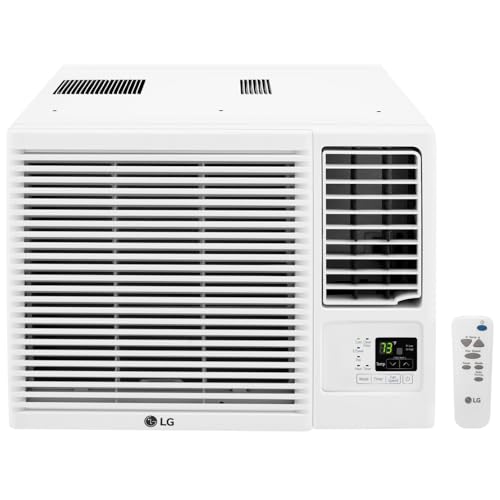
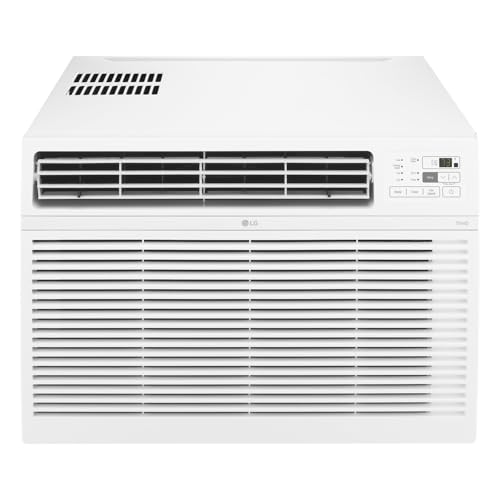
A 25,000 BTU window air conditioner with heat is a single through-window unit that combines high-capacity cooling with a built-in heating function. In cooling mode, it removes heat and humidity from a large room and exhausts warm air outside. In heating mode, depending on the model, it either uses a heat pump mechanism or an electric resistance element to warm the same space.
This category sits at the upper end of residential window air conditioning. Units in the 25,000 BTU range are designed for open-concept living areas, large master suites, finished basements, and similar spaces where a smaller window unit would struggle to maintain consistent comfort. Unlike smaller window ACs that plug into a standard 115-volt outlet, this class typically requires a dedicated 230/240-volt circuit.
The heating function on these units is usually intended for supplemental or seasonal heating rather than full winter replacement of a central furnace. Heat pump models perform well in moderate climates, while electric resistance models can operate in lower temperatures but consume more electricity during heating cycles.
If you are still comparing capacity classes, the broader 25,000 BTU air conditioner overview explains how this size fits into the wider market. If your installation constraints lean toward wall-mounted options, the 25,000 BTU through-the-wall air conditioner guide covers a different form factor with similar capacity.
Room Sizing: Is 25,000 BTU Right for Your Space?
As a general baseline, a 25,000 BTU window air conditioner with heat is suited for rooms between approximately 1,200 and 1,600 square feet. However, square footage alone is never the full story. The actual cooling load depends on several environmental and structural factors.
| Factor | Effect on Required Capacity |
|---|---|
| Ceiling height | Ceilings above 8 feet increase the air volume that must be conditioned, often requiring higher capacity. |
| Window area and exposure | Large south- or west-facing windows increase solar heat gain and may push you toward the upper end of the range. |
| Insulation quality | Poorly insulated walls, attics, and floors allow heat transfer and reduce effective cooling. |
| Occupancy | More people in the room add sensible and latent heat load. |
| Kitchen or appliance heat | Open kitchens and rooms with heat-generating appliances require additional capacity. |
| Climate | Hotter, more humid climates place greater demand on the unit and may warrant a higher capacity. |
If your room is significantly smaller than 1,200 square feet, a 25,000 BTU unit may short-cycle, cooling the space too quickly without properly dehumidifying. If your room is larger or has challenging conditions, you may need to consider a second unit or a different system type. For a structured sizing method, review the how to size an air conditioner guide, which walks through load factors in more detail.
How the Heating Function Works
Window air conditioners with heat typically use one of two heating methods. Understanding the difference helps you set realistic expectations for cold-weather performance.
Heat pump models reverse the refrigeration cycle to move heat from outdoor air into the room. Because they move heat rather than generate it, heat pump units are generally more efficient in moderate cold. However, their heating output decreases as outdoor temperatures drop, and most are not designed for deep-freeze conditions.
Electric resistance models use a heating coil to generate warmth. These units can operate in lower outdoor temperatures but consume significantly more electricity during heating. They are simple and reliable but less efficient than heat pump designs.
In either case, the heating capacity of a window AC with heat is usually lower than its cooling capacity. These units are best suited for supplemental heating in transitional seasons, mild climates, or rooms that need occasional warmth rather than full-time winter comfort. If heating is your primary concern, compare this category with dedicated window units with heat pump technology to understand how capacity and efficiency trade off across sizes.
Electrical Requirements and Installation Reality
This is the most common point of confusion for buyers in this capacity class. A 25,000 BTU window air conditioner with heat almost always requires a dedicated 230/240-volt circuit. It will not run on a standard 115-volt household outlet.
Typical plug types include 6-20P and 6-15P, depending on the model. The circuit must be rated for the unit's amperage draw, and the outlet must match the plug configuration. If your home does not already have a dedicated 230/240-volt outlet near the installation window, you will need to have one installed by a licensed electrician.
Installation also requires proper support. These units are heavy, and the window frame and surrounding structure must be able to bear the weight. Most models include a support bracket or require one, and proper installation is essential for safety and performance.
For a deeper look at voltage and circuit planning, the 110V vs 240V air conditioner comparison explains the practical differences. If you are installing in a wall rather than a window, the 230-volt through-the-wall air conditioner guide covers the electrical and structural considerations for that format.
Efficiency Ratings and Long-Term Operating Considerations
Efficiency is measured by SEER2 for cooling and HSPF2 for heating in heat pump models. Higher ratings indicate better efficiency. In the large window unit category, efficiency varies across tier levels: entry-level models meet minimum standards, mid-range models offer improved efficiency and features, and premium or high-end tier models typically deliver the best efficiency, quieter operation, and more advanced controls.
Because a 25,000 BTU unit consumes more energy than smaller units, efficiency differences have a larger effect on long-term operating performance. A higher-efficiency model may require a larger upfront investment, but it can be a worthwhile investment over the unit's service life, especially in climates with long cooling seasons.
Check the ENERGY STAR database and the product's yellow EnergyGuide label to compare SEER2 and HSPF2 values directly. The SEER rating explained article provides a full breakdown of how these ratings are calculated and what they mean in practice.
Features That Matter in This Capacity Class
At this capacity level, the feature set separates entry-level units from premium and high-end tier models. The following features are worth evaluating carefully:
| Feature | Why It Matters | Typical Tier Availability |
|---|---|---|
| Inverter compressor | Provides more precise temperature control, quieter operation, and better efficiency by varying compressor speed. | Mid-range and above |
| Heat pump vs electric heat | Heat pump is more efficient in moderate cold; electric resistance works in lower temperatures but uses more energy. | Varies by model |
| Programmable or smart thermostat | Allows scheduling and remote control, improving convenience and energy management. | Mid-range and above |
| Multiple fan speeds | Offers flexibility between quiet operation and maximum airflow. | Most models |
| Washable filter with indicator | Simplifies maintenance and helps maintain airflow and efficiency. | Most models |
| Sleep mode and timer | Adjusts temperature and fan speed for overnight comfort and energy savings. | Mid-range and above |
| Remote control | Convenient adjustment without reaching the unit. | Most models |
| Window or wall installation kit | Includes necessary mounting hardware and insulation panels for proper installation. | Included with most units |
When comparing models, prioritize the features that align with your daily use. A quiet inverter model may be more valuable in a bedroom or living area, while a simple entry-level unit may be sufficient for a workshop or basement where noise and scheduling are less critical.
Advantages and Limitations
Advantages
- High cooling capacity suitable for large rooms and open floor plans
- Combined cooling and heating in a single unit
- No ductwork required, making it viable for older homes
- Installation is generally simpler than central or mini-split systems
- Widely available across multiple tiers and feature levels
Limitations
- Requires a dedicated 230/240-volt circuit
- Heating capacity is typically supplemental, not whole-home
- Heavier and more difficult to install than smaller window units
- Generally louder than mini-splits or central systems
- Window installation may limit placement options
When to Consider a Different Cooling Solution
A 25,000 BTU window air conditioner with heat is an excellent fit for certain situations, but it is not the right solution for every home. Consider alternatives in the following scenarios:
If you need whole-home comfort: A single window unit, even at 25,000 BTU, conditions one room or one open area. For whole-home cooling, central air conditioning or a multi-zone mini-split system is more appropriate. The central air conditioning guide explains system types and sizing.
If installation in a window is not possible: Through-the-wall units offer similar capacity with a permanent wall installation. The 24,000 BTU through-the-wall air conditioner is a close-capacity alternative worth reviewing.
If you need quieter operation: Ductless mini-split systems are significantly quieter and more efficient than window units. The ductless mini-split AC guide covers how these systems work and where they fit.
If you need more heating capability: For primary heating in cold climates, a dedicated heat pump or furnace is the appropriate choice. Window units with heat are best for supplemental warmth, not full winter replacement.
Pre-Purchase Checklist
Before you commit to a specific model, run through this checklist to confirm the unit matches your space, electrical setup, and expectations.
- Measure the room's square footage, ceiling height, and window area
- Confirm the room's cooling load with a sizing calculator or HVAC professional
- Check whether your home has a dedicated 230/240-volt outlet near the installation window
- Verify the unit's plug type and amperage requirement match your outlet
- Confirm the window type and dimensions are compatible with the included installation kit
- Decide whether heat pump or electric resistance heating suits your climate
- Compare SEER2 and HSPF2 ratings across models in your tier
- Check the unit's sound level in decibels if noise is a concern
- Review warranty terms for the compressor and sealed system
- Confirm the unit's weight and plan for safe installation and support
Ready to Compare Models?
Explore our curated selection of large-capacity window air conditioners with heating capability below.
View Recommended UnitsFrequently Asked Questions
Final Thoughts
A 25,000 BTU window air conditioner with heat is a practical, ductless solution for large rooms that need both cooling and supplemental heating. The key to a successful purchase is confirming three things: the unit's capacity matches your room's actual load, your electrical system can support the required 230/240-volt circuit, and the heating function aligns with your climate and expectations.
Take the time to review the sizing factors, efficiency ratings, and feature differences outlined above. A well-chosen unit in this capacity class can deliver reliable comfort for years, while a poorly matched one can lead to short-cycling, high energy use, or disappointing heating performance. Use the checklist and FAQ sections as your final verification before making a decision.