25,000 BTU Air Conditioner: The Complete Guide for Large Spaces
Everything you need to know before choosing a 25,000 BTU cooling system — room sizing, unit types, efficiency ratings, electrical requirements, and maintenance essentials for open-plan living areas and large rooms.
Explore Recommended ModelsWhat Does 25,000 BTU Mean in Practice?
BTU (British Thermal Unit) measures cooling capacity — how much heat an air conditioner can remove from a space per hour. A 25,000 BTU unit removes 25,000 BTUs of heat every hour, which places it firmly in the high-capacity tier for residential systems. For context, a standard bedroom unit is often around 8,000–12,000 BTU, while whole-home central systems typically start around 24,000 BTU and scale upward by tonnage.
Because 25,000 BTU is close to the two-ton mark (one ton equals 12,000 BTU), this capacity is frequently found in central AC systems, large mini-split heads, and heavy-duty window or through-the-wall units. The right choice depends on your room layout, existing ductwork, and how much of the space is open to adjacent areas. If you are still comparing capacities across the range, the 24,000 BTU cooling area guide is a useful reference point for the tier just below this one.
How Much Space Does a 25,000 BTU AC Cool?
The general sizing rule is roughly 20 BTU per square foot for average residential conditions. That puts a 25,000 BTU unit in the range of about 1,200 to 1,600 square feet. However, this is a starting point, not a final answer. Several factors shift the effective coverage:
- Ceiling height: Rooms with ceilings above 8 feet need more capacity per square foot.
- Insulation quality: Older homes with poor insulation may need a unit sized toward the upper end of the range.
- Window area and sun exposure: Large south- or west-facing windows increase heat gain significantly.
- Occupancy: Rooms that regularly hold many people need extra capacity for body heat.
- Open-plan layout: A 25,000 BTU unit cooling an open living-dining-kitchen area will effectively serve less square footage than a closed room of the same size.
- Climate: Homes in hot, humid regions often benefit from sizing up slightly, while mild climates can stay at the lower end.
| Space Type | Typical Square Footage | 25,000 BTU Suitability |
|---|---|---|
| Open-plan living / dining area | 1,100 – 1,400 sq ft | Strong fit, especially with good insulation |
| Large great room with high ceilings | 1,000 – 1,300 sq ft | Good fit if ceiling height is accounted for |
| Finished basement | 1,300 – 1,600 sq ft | Excellent fit — basements have low heat gain |
| Multi-room floor (zoned) | 1,200 – 1,500 sq ft total | Workable with good air circulation |
| Small office or studio space | 1,000 – 1,400 sq ft | Solid fit for commercial-grade use |
Which Type of 25,000 BTU Air Conditioner Should You Choose?
At this capacity, the unit type you select has a major impact on installation complexity, efficiency, and long-term performance. Here is how the main options compare.
1. Central Air Conditioning
A 25,000 BTU central system (roughly two tons) is a common choice for whole-home cooling in smaller houses or for dedicated large zones. Central systems distribute cool air through ductwork, which means even temperatures and excellent humidity control — but they require existing ducts and professional installation. If you are evaluating this route, the guide on adding central air to a house without ducts explains what that project involves.
2. Ductless Mini-Split
A 25,000 BTU mini-split head is a strong option for large rooms without ductwork. Mini-splits are highly efficient, quiet, and allow zone control. Many modern inverter-driven models in this class reach impressive SEER2 ratings. If you are comparing this capacity against slightly smaller options, the 24,000 BTU mini-split overview provides useful context on the tier just below.
3. Window Air Conditioner
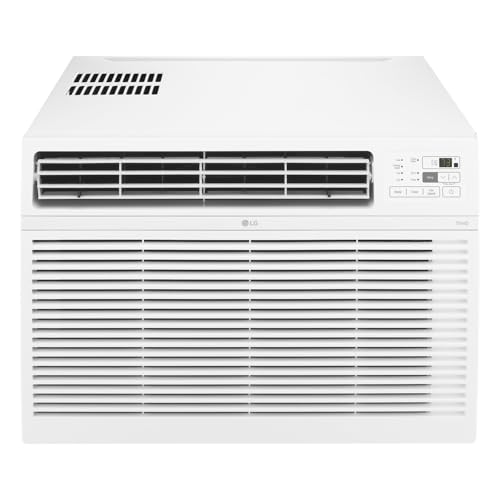
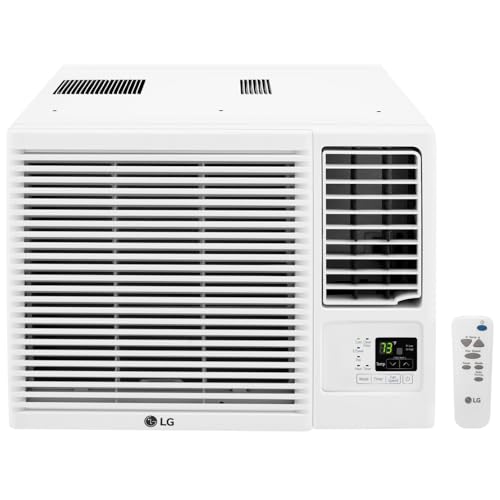
Large window units at 25,000 BTU exist, but they are heavy and require a reinforced window frame and a dedicated 230-volt circuit. They are best suited to rooms where a window installation is practical and permanent. If you are exploring window configurations in this capacity range, the 15,000 BTU 115-volt window AC guide shows how electrical requirements change across sizes — a useful comparison before committing to a larger unit.
4. Through-the-Wall Air Conditioner
Through-the-wall units are a practical compromise when window space is limited or when you want a permanent, secure installation. At 25,000 BTU, these units are built for heavy-duty use and often serve hotel rooms, offices, and large residential rooms. The 24,000 BTU through-the-wall AC guide covers the installation and framing considerations that apply to this category.
5. Portable Air Conditioner
Portable units at this capacity are less common, and their real-world performance depends heavily on hose setup and window sealing. If portability is a priority, dual-hose models perform better in large spaces. The 14,000 BTU dual-hose portable AC guide explains the hose and venting principles that carry over to higher-capacity portable units.
Efficiency Ratings: What to Look For at 25,000 BTU
At high capacity, efficiency differences translate into meaningful long-term energy use. The key metrics are SEER2 (cooling efficiency), EER2 (efficiency at peak conditions), and HSPF2 if the unit includes a heat pump.
- SEER2: The current standard uses SEER2, which is measured under more realistic conditions than the older SEER. For split systems, 14.3 is the baseline in many regions; high-end tier models reach 18–22+.
- EER2: Particularly relevant in hot climates. Higher EER2 means better performance on the hottest days.
- Inverter technology: Variable-speed compressors modulate output instead of cycling on and off, improving comfort and efficiency. For a deep dive, see the explanation of inverter vs non-inverter AC.
- ENERGY STAR: Certified models exceed minimum standards and are a reliable shortcut to efficient options.
Entry-Level Tier
Meets current minimum efficiency standards. A solid choice when the unit will run only during peak summer months. Expect basic single-stage operation and standard features.
Mid-Range Tier
Offers noticeably better SEER2 ratings, often with two-stage or entry inverter compressors. A balanced option for year-round use, with quieter operation and improved humidity control compared to entry-level models.
High-End Tier
Variable-speed inverter systems with top-tier SEER2 ratings, premium sound insulation, and smart controls. The most efficient in the long run, and the best fit for rooms that are cooled daily throughout the season.
Electrical Requirements and Installation Planning
A 25,000 BTU air conditioner is a major appliance and almost always requires a dedicated 230-volt circuit. Typical current draw is in the range of 10 to 15 amps, but you should always check the nameplate rating of the specific model. Before installation:
- Have a licensed electrician confirm your panel has capacity for a dedicated circuit.
- Verify breaker size against the manufacturer's requirements — do not guess.
- For mini-splits and central systems, confirm line-set length and refrigerant requirements.
- Check local permit requirements before structural work such as through-the-wall installation.
- Plan for condensate drainage, especially in basements and interior rooms.
If you are still deciding between a fixed installation and a more flexible setup, the AC unit that doesn't require a window overview covers alternatives worth considering.
Maintenance Essentials for High-Capacity Units
A 25,000 BTU system works harder than a small room unit, so maintenance has a direct impact on efficiency and lifespan. The core routine is straightforward:
- Filters: Clean or replace every 1–2 months during heavy use. A clogged filter strains the blower and reduces cooling.
- Coils: Keep evaporator and condenser coils clean. Dust and debris on the coils reduce heat transfer and raise energy use.
- Drainage: Check the condensate drain regularly. A clogged drain can cause water damage, particularly in through-the-wall and central installations.
- Seasonal check: Before summer, inspect the outdoor unit, clear debris, and confirm the refrigerant charge is correct.
- Professional service: An annual tune-up is a worthwhile investment for high-capacity systems. If you notice performance problems, the guide to AC not cooling solutions covers the most common causes.
Common Issues with 25,000 BTU Systems
High-capacity units share the same failure modes as smaller systems, but the consequences are larger. Watch for these signs:
- Short cycling: Often caused by an oversized unit or a thermostat placement issue.
- Weak airflow: Usually a filter, blower, or duct problem.
- Warm air from vents: Can indicate low refrigerant, a compressor issue, or a reversing valve fault in heat pump models.
- Water leaks: Typically a blocked drain line or a frozen evaporator coil.
- Electrical tripping: A sign of an undersized circuit, a failing compressor, or a loose connection — stop using the unit and call a technician.
If your unit is running but the house is not cooling, the AC unit running but not blowing cold air troubleshooting guide walks through the diagnostic steps in order.
A Practical Buying Checklist
Before you commit to a 25,000 BTU air conditioner, confirm each of the following:
- Calculated room load based on square footage, ceiling height, insulation, and sun exposure.
- Selected unit type matches your ductwork situation and installation constraints.
- SEER2 and EER2 ratings are appropriate for your climate and usage pattern.
- Electrical circuit and breaker requirements are verified by a licensed electrician.
- Warranty terms are understood — compressor coverage is the most important line item.
- Installation plan includes drainage, mounting, and permit requirements where applicable.
If you are comparing this capacity against similar options, the 25,000 BTU air conditioner overview consolidates the key specifications in one place.
Frequently Asked Questions
What size room does a 25,000 BTU air conditioner cool?
Is a 25,000 BTU air conditioner available as a window unit?
What SEER rating should I look for in a 25,000 BTU AC?
Does a 25,000 BTU air conditioner need a dedicated electrical circuit?
Is a 25,000 BTU unit the same as a two-ton AC?
Can a 25,000 BTU mini-split cool more than one room?
Related Reading
If you are still refining your choice, these related guides cover adjacent capacities and configurations:
- 24,000 BTU cooling area guide — how the tier below compares in real rooms.
- 24,000 BTU mini-split overview — ductless options near this capacity.
- 24,000 BTU through-the-wall AC guide — permanent installation considerations.
- 15,000 BTU 115-volt window AC guide — how electrical requirements change across sizes.
- 14,000 BTU dual-hose portable AC guide — venting principles for portable systems.
- Inverter vs non-inverter AC — compressor technology explained.
- AC not cooling solutions — troubleshooting when performance drops.
- AC unit running but not blowing cold air — step-by-step diagnostics.