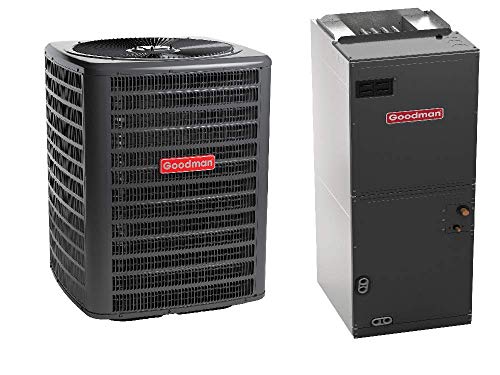
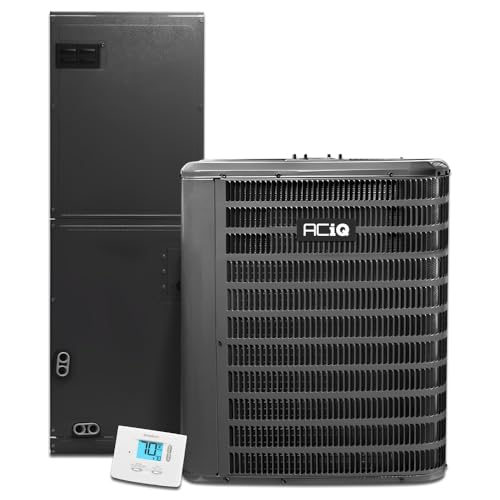
5 Ton AC Unit with Heat Pump Installed: The Complete Guide for Large Homes
A 5 ton AC unit with heat pump installed delivers powerful year-round comfort for expansive spaces. Learn how to evaluate capacity, efficiency, installation requirements, and top-tier options before you commit to a system.
Why a 5 Ton Heat Pump System Deserves Careful Evaluation
A 5 ton AC unit with heat pump installed is a substantial HVAC investment designed for large homes, multi-zone layouts, and open-concept spaces that demand consistent temperature control in both summer and winter. Because it combines cooling and heating in a single system, it removes the need for a separate furnace in many climate zones. That dual capability makes it an attractive choice for homeowners who want a streamlined, all-electric solution.
However, the sheer capacity of a 5 ton system means sizing accuracy and installation quality matter more than with smaller units. An oversized system cycles on and off too frequently, which reduces efficiency and shortens equipment life. An undersized system struggles to keep up during peak conditions. This guide walks through the essential factors — from load calculations to ductwork readiness — so you can make a confident decision before contacting a contractor or comparing products.
Key takeaway: A 5 ton heat pump is typically appropriate for homes in the 2,500 to 3,500 square foot range, depending on insulation, window area, and local climate. A professional Manual J load calculation is the only reliable way to confirm that this capacity is right for your home.
What Does "5 Ton" Actually Mean?
In HVAC terminology, "ton" refers to cooling capacity, not weight. One ton equals 12,000 British Thermal Units (BTU) per hour. A 5 ton system therefore delivers approximately 60,000 BTU of cooling capacity. For heating, modern heat pumps are rated with an HSPF2 (Heating Seasonal Performance Factor) metric that indicates how efficiently they convert electricity into heat across a full season.
This capacity class sits near the top of the residential range. Most single-family homes use systems between 1.5 and 5 tons, with 5 ton units reserved for large floor plans or homes in hot climates with significant thermal load. If your home has extensive south-facing glass, limited attic insulation, or an open floor plan exceeding 2,500 square feet, a 5 ton unit may be the right starting point. You can explore the broader 42,000–60,000 BTU category to understand how this class compares to adjacent capacities.
Capacity at a Glance
| Metric | Value for 5 Ton System |
|---|---|
| Cooling capacity | ~60,000 BTU/hour |
| Typical home size | 2,500 – 3,500 sq ft (climate dependent) |
| Voltage | 240V (typical residential) |
| Compressor type | Variable-speed or two-stage in premium tiers |
| Refrigerant | R-410A or R-32/R-454B in newer models |
Is a 5 Ton System Right for Your Home?
Sizing is the single most consequential decision in HVAC selection. A 5 ton AC unit with heat pump installed will perform optimally only if the home's actual load falls within its capacity range. Several variables influence that load:
- Climate zone: Homes in hot, humid regions need more cooling capacity than homes in mild coastal climates.
- Insulation and air sealing: Poorly insulated attics and leaky ductwork increase load significantly.
- Window area and orientation: Large south- or west-facing windows add solar gain.
- Occupancy and appliance load: Kitchens, home offices, and server rooms add internal heat.
- Ductwork condition: Leaky or undersized ducts can waste a significant portion of delivered capacity.
A professional load calculation — often called a Manual J calculation — accounts for all these factors and produces a BTU requirement. If the result lands near 60,000 BTU, a 5 ton system is appropriate. If it lands well below that, a smaller unit will run more efficiently and provide better humidity control. Conversely, if the home is larger or the climate more demanding, you may need to explore higher-capacity options or a zoned multi-system approach.
Rule of thumb (not a substitute for Manual J): In moderate climates, roughly 20 BTU per square foot is a starting estimate. That places a 5 ton system in the 2,800–3,000 square foot range. In hot climates, the ratio may drop to 15–18 BTU per square foot, shrinking the coverage area.
How the Heat Pump Function Works Year-Round
A heat pump is essentially a reversible air conditioner. In cooling mode, it moves heat from indoors to outdoors. In heating mode, it reverses the refrigerant flow to extract heat from outdoor air and deliver it indoors — even when outdoor temperatures are cold, though efficiency declines as temperatures drop.
Modern 5 ton heat pumps often include supplemental electric resistance heat strips for backup during extreme cold snaps. Premium and luxury tier models use variable-speed compressors that modulate output precisely, maintaining stable temperatures and better humidity control. If you want to understand the efficiency metrics that separate entry-level from premium systems, the energy efficiency ratings guide explains SEER2, EER2, and HSPF2 in detail.
Heating Performance Considerations
- Cold-climate ratings: Some heat pumps maintain rated capacity down to 5°F or lower.
- Defrost cycles: Periodic defrost cycles are normal and temporarily interrupt heating.
- Backup heat: Electric strips provide insurance but consume more electricity.
- Dual-fuel option: Pairing a heat pump with a gas furnace can be advantageous in very cold regions.
Efficiency Ratings: What to Look For
Efficiency ratings determine how much energy the system consumes to deliver a given amount of cooling or heating. For a 5 ton AC unit with heat pump installed, the key metrics are:
| Rating | What It Measures | Tier Associations |
|---|---|---|
| SEER2 | Seasonal cooling efficiency (updated DOE standard) | Entry-level: 14.3–15; Mid-range: 16–18; Premium: 19+ |
| EER2 | Peak-load cooling efficiency | Higher is better; premium units often exceed 12 |
| HSPF2 | Seasonal heating efficiency | Entry-level: 7.5–8; Mid-range: 8.5–9.5; Premium: 10+ |
Higher efficiency ratings generally correlate with variable-speed compressors, advanced coil designs, and smarter controls. These features improve comfort and reduce energy consumption over the system's life, making them a worthwhile long-term investment for homeowners who plan to stay in their property for many years. The efficiency ratings guide provides a deeper breakdown of how these metrics are calculated and regulated.
It is also worth checking whether a model qualifies for recognized efficiency programs, which may make it eligible for utility rebates or tax incentives depending on your region.
Installation Requirements and What "Installed" Really Involves
When shopping for a 5 ton AC unit with heat pump installed, the word "installed" encompasses a multi-step process that goes well beyond placing the outdoor unit on a pad. A proper installation includes:
- Load calculation and system design: Confirming capacity and airflow requirements.
- Electrical assessment: A 5 ton system typically requires a dedicated 240V circuit with appropriate breaker sizing. The home's electrical panel must have sufficient capacity.
- Ductwork evaluation: Existing ducts must be sized to handle the airflow of a 5 ton system — often 1,800–2,000 CFM. Undersized or leaky ducts will undermine performance regardless of equipment quality.
- Line set and refrigerant charge: Proper line set sizing and precise refrigerant charging are critical for efficiency and longevity.
- Thermostat and controls: Smart thermostats or zoning controls should be configured for the specific system.
- Permits and inspections: Many jurisdictions require permits for HVAC replacement or new installation.
- Commissioning: Airflow measurement, refrigerant verification, and temperature split checks confirm the system operates as designed.
Because of the complexity, professional installation by a licensed HVAC contractor is strongly recommended. The HVAC system overview provides additional context on how central systems are structured and what components interact during installation.
Installation quality matters more than brand alone: A premium-tier system installed poorly will underperform a mid-range system installed correctly. Ask contractors about their commissioning process and whether they perform static pressure testing and airflow verification.
Market Tiers for 5 Ton Heat Pump Systems
Rather than focusing on specific figures, it helps to understand where a given system sits in the market. The following tier framework is used consistently throughout this guide:
| Tier | Typical Characteristics | Best For |
|---|---|---|
| Entry-level | Single-stage compressor, standard SEER2, basic controls | Homeowners seeking straightforward replacement with essential features |
| Mid-range | Two-stage or entry variable-speed, improved SEER2/HSPF2, better sound insulation | Homeowners wanting better comfort and efficiency without top-tier expenditure |
| Premium | Variable-speed compressor, high SEER2/HSPF2, smart diagnostics, quieter operation | Comfort-focused homeowners in demanding climates |
| Luxury | Fully modulating systems, advanced zoning integration, top-tier efficiency and sound ratings | Large custom homes with complex comfort requirements |
When comparing products, use these tiers to frame the conversation. A mid-range system often offers the most balanced combination of efficiency, comfort, and reliability for typical large-home applications. Premium and luxury tiers shine in homes with zoning needs, extreme climates, or a preference for whisper-quiet operation.
Ongoing Maintenance for Long-Term Performance
A 5 ton heat pump represents a long-term investment, and routine maintenance protects that investment. Key tasks include:
- Filter replacement: Every 1–3 months depending on filter type and household conditions.
- Coil cleaning: Outdoor condenser coils should be cleaned seasonally to maintain heat transfer efficiency.
- Duct inspection: Sealing leaks and verifying insulation prevents capacity loss.
- Refrigerant checks: A licensed technician should verify charge levels during annual service.
- Electrical inspection: Tightening connections and checking capacitors reduces failure risk.
- Defrost cycle verification: Ensures heating mode operates correctly in cold weather.
Annual professional service is recommended for any heat pump system, particularly one of this capacity. Regular maintenance also helps preserve warranty coverage and may be required by the manufacturer. Understanding brand reliability and service networks can further guide long-term ownership decisions.
Signs It May Be Time to Replace an Existing System
If you already have a 5 ton system and are evaluating replacement, consider these indicators:
- Frequent repairs or rising service frequency
- Uneven temperatures across rooms despite proper operation
- Refrigerant leaks that recur
- System age approaching or exceeding 12–15 years
- Efficiency below current minimum standards
- Noise levels that have increased noticeably
When replacement is on the horizon, compare the efficiency and feature sets of current-generation systems. The reliability-focused overview and the highest-rated central systems guide can help narrow down options based on long-term performance records.
Pre-Purchase Checklist
Before finalizing a decision on a 5 ton AC unit with heat pump installed, run through this checklist:
- Manual J load calculation completed by a qualified professional.
- Ductwork assessment confirming airflow capacity and sealing integrity.
- Electrical panel capacity verified for 240V dedicated circuit.
- Efficiency ratings matched to climate and usage patterns.
- Tier comparison aligned with comfort priorities and long-term plans.
- Warranty terms reviewed for both equipment and labor.
- Contractor credentials verified — licensing, insurance, and references.
- Permit requirements confirmed with local jurisdiction.
- Commissioning plan discussed, including airflow and refrigerant verification.
Working through this list reduces the risk of costly surprises and ensures the installed system matches your home's actual requirements.
Frequently Asked Questions
How many square feet does a 5 ton AC unit cool?
In moderate climates, a 5 ton system is often appropriate for homes around 2,500 to 3,000 square feet. In hot climates with high solar gain, the coverage may be closer to 2,200–2,500 square feet. A Manual J calculation is the only reliable way to confirm sizing for a specific home.
Can a 5 ton heat pump heat a home in cold winters?
Modern cold-climate heat pumps can deliver meaningful heating capacity well below freezing, though output declines as temperatures drop. Many installations include supplemental electric heat strips or a dual-fuel configuration with a gas furnace for extreme cold. The best approach depends on your local climate data.
What SEER2 rating should I look for?
Entry-level systems typically meet the current minimum standard in the mid-14s to 15 SEER2 range. Mid-range systems often reach 16–18 SEER2, while premium and luxury tiers exceed 19 SEER2. Higher ratings generally correspond to greater comfort features and lower seasonal energy use.
How long does installation take?
A full replacement installation typically takes one to two days, depending on ductwork modifications, electrical work, and whether the project involves zoning or new line sets. New construction installations may take longer.
Do I need a permit for a 5 ton heat pump installation?
Permit requirements vary by jurisdiction. Many municipalities require permits for HVAC replacement or new installation to ensure code compliance and allow inspection. Your contractor should confirm local requirements before work begins.
What is the difference between a 5 ton AC with heat pump and a traditional AC plus furnace?
A heat pump provides both cooling and heating in one system, eliminating the need for a separate furnace in many climates. A traditional split system uses an air conditioner for cooling and a furnace for heating. Heat pumps are generally more energy-efficient for heating in moderate climates, while dual-fuel setups can combine the strengths of both approaches.
Ready to Compare 5 Ton Heat Pump Options?
Review the recommended systems below to see how entry-level, mid-range, and premium tiers compare for large-home comfort. Each listing includes key specifications to help you evaluate fit for your installation project.