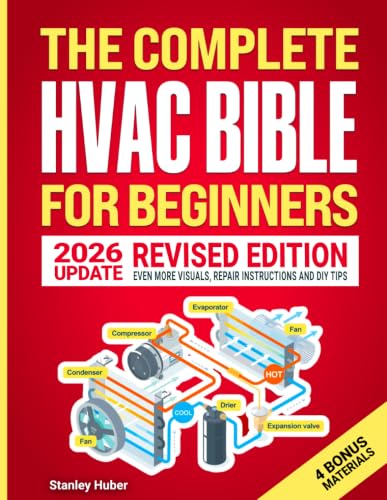
Heating Ventilation and Air Conditioning System Guide
Understand how a complete HVAC system works — from heating and cooling to ventilation and indoor air quality — so you can choose the right system for your home with confidence.
EXPLORE HVAC COMPONENTSWhat is a heating ventilation and air conditioning system? In short, it is the integrated network of equipment that controls temperature, humidity, and air quality inside a building. Rather than being a single appliance, an HVAC system combines heating, ventilation, and air conditioning functions into one coordinated setup.
This guide is written for researchers who already know they want an HVAC solution but still need clarity on how the pieces fit together. By the end, you will understand the major system types, the components inside them, the efficiency ratings that matter, and how to match a system to your home and climate.
What a Heating Ventilation and Air Conditioning System Actually Does
An HVAC system performs three core jobs, and a well-designed setup balances all three rather than focusing on just one. Heating raises indoor temperature during cold weather, air conditioning lowers it during warm weather, and ventilation replaces stale indoor air with fresh outdoor air while filtering out particles. Together these functions maintain comfort and support healthier indoor air.
Modern systems also handle humidity control, which is often overlooked. A system that cools effectively but leaves humidity high can still feel uncomfortable, so humidity regulation is an important part of the overall design. Understanding these three functions helps you evaluate any system you consider.
Heating
Furnaces, heat pumps, and boilers raise indoor temperature. Heat pumps are especially versatile because they can reverse operation to cool as well as heat.
Ventilation
Ductwork, exhaust fans, and fresh-air intakes move air through the building and replace stale indoor air with filtered outdoor air.
Air Conditioning
Compressors, condensers, and evaporator coils remove heat and moisture from indoor air to keep rooms comfortable in warm seasons.
Air Quality & Humidity
Filters, humidifiers, dehumidifiers, and purification modules improve indoor air quality and keep humidity within a comfortable range.
Main Types of HVAC Systems
Different homes and climates call for different configurations. The table below compares the most common system types so you can see where each fits best. Descriptors such as "essential tier," "balanced tier," and "top-tier" are used to indicate relative positioning within each category.
| System Type | Best For | Relative Tier | Key Consideration |
|---|---|---|---|
| Split System (Central AC + Furnace) | Homes with existing ductwork | Balanced tier | Requires duct inspection before installation |
| Ductless Mini-Split | Homes without ducts or room-by-room control | High-end tier | Excellent zoning flexibility and quiet operation |
| Packaged Unit | Small homes, rooftops, and tight footprints | Essential tier | All components housed in a single cabinet |
| Heat Pump System | Mild-to-moderate climates | Balanced tier | Handles both heating and cooling efficiently |
| Window / Portable Units | Single rooms and temporary setups | Starter tier | Limited coverage, best for supplemental cooling |
For a deeper look at how ductless options compare with traditional ducted setups, see our overview of through-the-wall air conditioning. If your home has no existing ductwork, a ductless approach is often the more practical path.
Key Components Inside an HVAC System
Whether you choose a split system or a packaged unit, most HVAC setups share a recognizable set of components. Knowing what each part does makes it easier to compare systems and understand maintenance needs.
Outdoor Condenser Unit
The condenser sits outside the home and releases heat removed from indoor air. It contains the compressor, condenser coil, and fan. Durable construction and a weather-resistant coating matter here, because this unit is exposed to the elements year-round.
Indoor Air Handler or Furnace
The air handler moves conditioned air through the ductwork, while the furnace adds heat when needed. In heat pump systems, the air handler works with the outdoor unit in both heating and cooling modes. For homes that combine a furnace and an AC, our guide to a 3-ton AC unit with gas furnace explains how the pairing works.
Ductwork and Vents
Ducts distribute conditioned air throughout the home and return stale air to the system. Leaky ducts waste energy, so sealing and insulation are important. Our explanation of heating ventilation and air conditioning system fundamentals covers why duct integrity affects efficiency.
Thermostat and Controls
The thermostat is the control hub for the entire system. A programmable or smart thermostat lets you schedule temperature changes and can meaningfully affect energy use. A thermostat that controls heat and cool functions is standard for combined systems, and smart models add remote access and scheduling.
Filters and Air Quality Modules
Filters capture dust and particles before air enters the system. Optional modules such as humidifiers, dehumidifiers, and purifiers address specific indoor air quality concerns. Systems equipped with AC with air purifier features can improve indoor air quality alongside temperature control.
Practical tip: Always confirm that the filter size and airflow rating match your system. A filter that is too restrictive can reduce airflow and strain the blower, so choose one that balances filtration with airflow.
Efficiency Ratings That Matter
Efficiency ratings help you compare systems on energy performance, and understanding them is essential for a well-informed decision. The most common ratings are SEER, EER, and HSPF, and each measures performance under different conditions.
- SEER: Seasonal Energy Efficiency Ratio, measuring cooling efficiency across a season. Higher values indicate better efficiency.
- EER: Energy Efficiency Ratio, measured at a single test condition and useful for comparing performance in hot climates.
- HSPF: Heating Seasonal Performance Factor, measuring heat pump heating efficiency across a season.
Our detailed breakdown of energy efficiency ratings SEER EER HSPF explains how these values are calculated and how to compare systems fairly. For a broader look at what efficiency means in practice, the article on efficiency of an air conditioner provides useful context.
When comparing systems, remember that efficiency and sizing work together. An oversized system can short-cycle and waste energy even if its rated efficiency looks impressive. A proper load calculation prevents this problem.
How to Choose the Right HVAC System for Your Home
Choosing an HVAC system is a process of matching equipment to your home, climate, and comfort expectations. The steps below help you structure that decision.
- Assess your home's layout and ductwork. Homes with existing ducts often suit split systems, while homes without ducts may favor ductless mini-splits.
- Calculate the right capacity. Proper sizing depends on square footage, ceiling height, insulation, windows, and local climate. Our guide to 12,000–14,000 BTU AC units illustrates how capacity maps to room size.
- Review efficiency ratings. Higher efficiency typically means lower energy use over time, which matters for a long-term investment.
- Consider zoning and controls. Multi-zone systems and smart thermostats give finer control and can reduce unnecessary energy use.
- Plan for maintenance and service access. Easy access to filters and coils simplifies routine upkeep.
If you are comparing brands and manufacturers, our overview of HVAC manufacturers and the guide to heating and cooling brands can help you evaluate reputation and support. For central systems, reviews of top-rated central air conditioning systems offer additional perspective.
Installation Considerations
Installation quality has a major effect on performance. Even a well-specified system underperforms if it is installed poorly. Before installation, confirm that the electrical panel can handle the load, that outdoor units have adequate clearance, and that the ductwork is sealed and properly sized.
Working with a qualified contractor protects your investment and helps ensure the system is commissioned correctly. Our article on air conditioner companies outlines what to look for when evaluating installers, and the guide to 24-hours air conditioner repair covers what to expect when service is needed quickly.
If your project involves replacing an older system, compare the cost of repair versus replacement using our analysis of AC compressor replacement cost alongside the expected lifespan of a new system. This comparison often clarifies whether a repair is a short-term fix or a sound decision.
Maintenance Habits That Extend System Life
Routine maintenance keeps an HVAC system efficient and prolongs its service life. Simple habits make a meaningful difference over the years.
- Replace or clean filters according to manufacturer guidance, especially during peak seasons.
- Keep outdoor condenser coils clear of debris and foliage.
- Schedule professional inspections before heating and cooling seasons begin.
- Seal duct leaks and insulate ducts in unconditioned spaces.
- Use a programmable thermostat to avoid unnecessary runtime.
Routine upkeep also reduces the likelihood of emergency repairs. For context on typical repair scenarios and what they involve, our articles on AC coil cleaning services and AC capacitor replacement explain common service tasks.
Further Reading on HVAC Topics
If you are still building your understanding, these related resources can help. The overview of what is air conditioning covers fundamentals, while the guide to heating ventilation and air conditioning system concepts explains how the disciplines connect.
For product-oriented research, you may find our coverage of highest-rated home air conditioning units and most reliable central air conditioning systems useful as you narrow your options.
Ready to Compare HVAC Systems?
Now that you understand the components, system types, and efficiency ratings, you can evaluate options with confidence. Browse our recommended systems and compare features side by side.
VIEW RECOMMENDED SYSTEMSFrequently Asked Questions
What does HVAC stand for?
HVAC stands for Heating, Ventilation, and Air Conditioning. The term describes the integrated systems that control temperature, air quality, and airflow in a building.
What is the difference between an HVAC system and an AC unit?
An air conditioner is one part of an HVAC system. HVAC is the broader category that also includes heating and ventilation equipment.
How do I know what size HVAC system my home needs?
System size depends on square footage, ceiling height, insulation, windows, and climate. A professional load calculation is the most reliable way to determine the right capacity.
Which efficiency rating should I pay attention to?
SEER matters for cooling efficiency, EER for performance in hot conditions, and HSPF for heat pump heating efficiency. Comparing all three gives a complete picture.
Can a heat pump replace both a furnace and an AC?
In many climates, yes. A heat pump can heat and cool, though in very cold climates a supplemental heating source may still be needed.
How often should an HVAC system be serviced?
Professional servicing twice a year — once before heating season and once before cooling season — is a common recommendation.