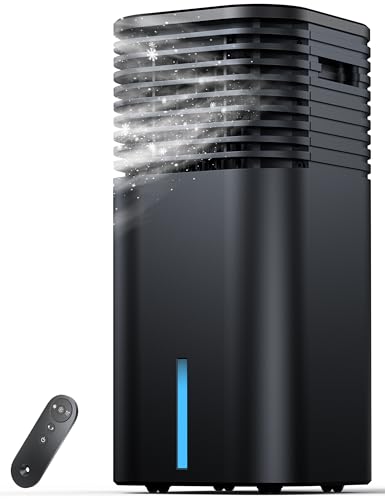
AC Air Conditioner Price Guide: Understanding Tiers and Value
Discover how air conditioners are positioned across market tiers, what factors influence their classification, and how to choose the right model for your home and cooling needs.
EXPLORE TIERSWhy understand price tiers? Air conditioner pricing reflects far more than the sticker on the box. It encodes cooling capacity, compressor technology, energy efficiency, build quality, and feature depth. Learning how these factors combine helps you evaluate whether a given model is a sensible fit for your space — and whether the long-term efficiency gains justify moving up a tier.
How Air Conditioner Market Tiers Work
Every air conditioner on the market occupies a position within a tier system. Rather than thinking in absolute figures, it helps to understand where a model sits relative to its peers. Entry-level window units, for example, prioritize essential cooling at the lowest possible outlay, while premium central systems deliver whole-home comfort with advanced zoning and efficiency ratings.
The tier a product occupies is shaped by several interlocking factors: the type of unit (window, portable, mini-split, or central), its cooling capacity in BTUs, the compressor technology (single-stage, two-stage, or inverter), the SEER2 efficiency rating, the quality of materials, and the breadth of smart features. Understanding these dimensions lets you compare apples to apples — and recognize when a higher tier is genuinely worthwhile for your situation.
The Four Air Conditioner Tiers Explained
Essential Tier
These units focus on delivering reliable cooling for a single room without extra frills. They are typically window or portable models with single-stage compressors and standard efficiency ratings.
- Single-room cooling focus
- Single-stage compressor
- Basic mechanical or simple remote controls
- Standard SEER2 ratings
- Best for occasional use or tight spaces
Balanced Tier
A step up in efficiency and comfort features. Mid-range models often include inverter compressors, quieter operation, and better filtration — making them a solid choice for daily use in bedrooms or living areas.
- Inverter or two-stage compressor options
- Improved SEER2 efficiency
- Quieter fan and vibration damping
- Programmable timers and eco modes
- Best for regular daily cooling
High-End Tier
Premium units combine high efficiency with advanced features such as Wi-Fi control, heat pump functionality, multi-stage filtration, and whisper-quiet operation. They are built for comfort-focused households.
- High SEER2 and HSPF2 ratings
- Wi-Fi and smart home integration
- Heat pump capability for year-round use
- Advanced air purification
- Best for primary living spaces
Flagship Tier
Flagship and commercial-grade systems deliver whole-home or multi-zone comfort with the highest efficiency, premium materials, and sophisticated zoning controls. These are long-term investments in comfort and energy performance.
- Whole-home or multi-zone coverage
- Top-tier variable-speed inverter technology
- Premium materials and reinforced build
- Advanced zoning and humidity control
- Best for large homes and new construction
Tier Comparison at a Glance
| Tier | Typical Unit Types | Efficiency Range | Best For |
|---|---|---|---|
| Essential | Window, small portable | Standard SEER2 | Single rooms, occasional use, renters |
| Balanced | Window, portable, small mini-split | Mid SEER2 | Bedrooms, home offices, daily cooling |
| High-End | Mini-split, high-efficiency window | High SEER2 / HSPF2 | Living rooms, primary bedrooms, year-round use |
| Flagship | Central, multi-zone mini-split | Top-tier SEER2 | Whole-home comfort, new construction, large properties |
Key Factors That Shape a Unit's Tier
Cooling Capacity (BTU)
Higher BTU ratings generally place a unit in a higher tier because they require larger compressors and more robust components. Matching capacity to room size is essential — an oversized unit cycles inefficiently, while an undersized one runs constantly.
Compressor Technology
Single-stage compressors are typical of entry-level models. Two-stage and variable-speed inverter compressors, found in mid-range and premium tiers, modulate output smoothly for better efficiency and quieter operation.
Energy Efficiency (SEER2 / EER2)
Efficiency ratings are among the strongest predictors of market position. Units with top-tier SEER2 ratings command a higher tier because they consume less energy over their lifespan — an important consideration for long-term investment.
Build Quality and Materials
Premium and flagship tiers use reinforced cabinets, high-grade steel, rust-proof finishes, and better insulation. These durability features reduce maintenance over time and contribute to a solid, long-lasting build.
Smart Features and Controls
Wi-Fi connectivity, app control, voice assistant integration, programmable schedules, and multi-stage filtration are hallmarks of higher tiers. These features enhance convenience and can improve overall energy management.
Installation Complexity
Mini-split and central systems sit in higher tiers partly because of professional installation requirements, refrigerant line sets, and electrical work. Window and portable units, which are largely plug-and-play, occupy lower tiers.
How to Choose the Right Tier for Your Home
Selecting the right tier is about matching capability to context. A single bedroom that needs cooling for a few hours each evening rarely benefits from a flagship multi-zone system; conversely, a large open-plan home with year-round comfort demands will quickly outgrow an essential-tier window unit.
Start by determining the square footage you need to cool and the number of rooms involved. If you are cooling one room occasionally, the essential or balanced tier is usually sufficient. If you need daily comfort in a primary living space, the balanced or high-end tier offers a better balance of efficiency and features. For whole-home comfort, multi-zone control, or new construction, the flagship tier is the appropriate category.
It also pays to consider how long you intend to stay in your home. A long-term investment in a high-efficiency unit often proves efficient in the long run, because lower energy consumption accumulates savings over many seasons. For renters or short-term occupants, a portable or window unit in the essential tier is often the more practical route. You can explore specific capacity ranges like 8,000 BTU units or 12,000–14,000 BTU models to narrow down options.
Compare Features Before You Decide
Use our tier breakdown to evaluate cooling capacity, efficiency, and features side by side. When you are ready, explore the recommended models below to find the right fit for your space.
VIEW RECOMMENDED MODELSFrequently Asked Questions
What determines the price tier of an air conditioner?
The tier of an air conditioner is determined by its cooling capacity, compressor technology, energy efficiency rating, build quality, brand reputation, and additional features such as smart controls, heat pump functionality, and air purification.
Are premium tier air conditioners worth the investment?
Premium and high-end tier air conditioners often offer higher SEER ratings, quieter operation, longer warranties, and more advanced features. For long-term use, the efficiency gains and durability can make them a worthwhile investment.
How does AC type affect its market position?
Window and portable ACs typically occupy entry-level to mid-range tiers. Ductless mini-splits and central systems generally sit in the mid-range to premium tiers due to installation complexity and higher capacity.
Should I choose an inverter AC over a non-inverter model?
Inverter models generally sit in the balanced tier and above. They modulate compressor speed to maintain consistent temperatures, which typically results in better efficiency and quieter operation than single-stage non-inverter units. For daily use, the inverter advantage is usually worth considering.
Does a higher tier always mean better cooling?
Not necessarily. Higher tiers bring better efficiency, quieter operation, and more features — but cooling performance still depends on correctly matching BTU capacity to your room size. A well-sized balanced-tier unit can outperform an oversized premium unit in comfort and efficiency.