Portable air conditioners are a popular cooling solution for rooms without ductwork, rentals, and temporary living spaces. However, one problem consistently undermines their performance: the window opening where the exhaust hose exits. Hot outdoor air leaks back in, cooled indoor air escapes, and the unit works harder than necessary. The AC Airlock universal window seal is designed specifically to solve this problem. This guide explains what it is, how it works, who it fits, and how to install it correctly.
What Is the AC Airlock Universal Window Seal?
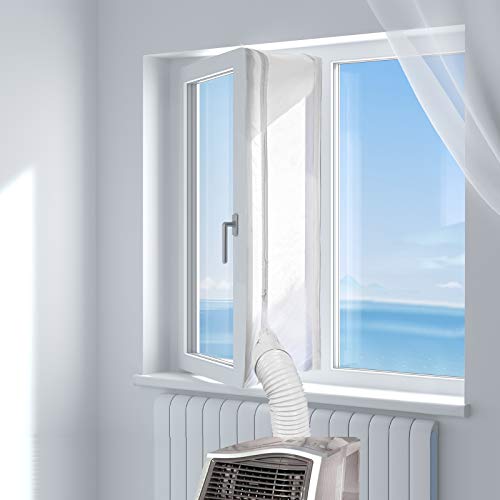
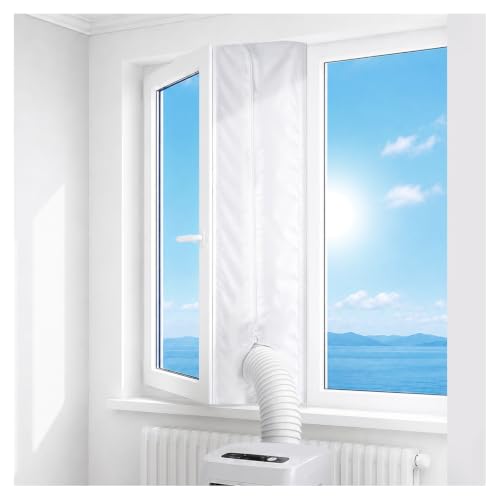
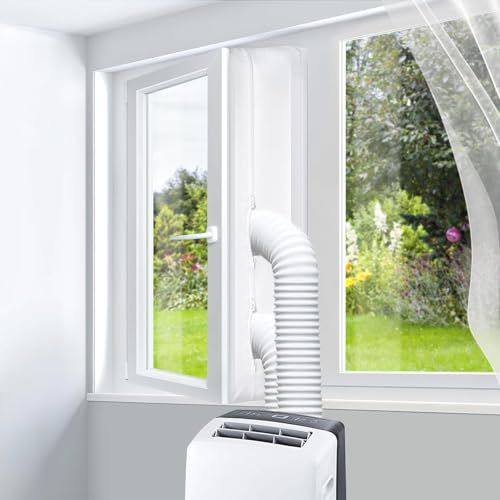
The AC Airlock universal window seal is a fabric-based sealing accessory designed for portable (mobile) air conditioners. Unlike rigid plastic window kits that only fit specific window types, this seal is a flexible cloth sleeve that attaches around the window frame and the exhaust hose. It creates a closed fabric barrier between the indoor and outdoor environment while still allowing the exhaust hose to vent hot air outside.
The term universal refers to its design intent: it is meant to fit most common window styles, including casement, awning, and sliding windows. Because the seal is made of fabric rather than molded plastic, it adapts to different frame depths and angles, which is why it is often described as a one-size-fits-many solution for portable AC owners.
Quick summary: The AC Airlock universal window seal is a flexible fabric barrier that seals the window opening around a portable AC exhaust hose. It reduces hot air infiltration, improves cooling efficiency, and fits most window types without custom fabrication.
How the Universal Window Seal Works
Understanding the mechanism helps you decide whether this accessory is right for your setup. The seal works through three simultaneous functions:
- Exhaust containment: The exhaust hose from your portable AC passes through a sleeve opening in the fabric. The fabric wraps tightly around the hose so that hot exhaust air is directed outside rather than recirculating indoors.
- Window gap coverage: The fabric spans the open portion of the window and is secured with adhesive strips or hook-and-loop fasteners, closing the gap that would otherwise let outdoor air in.
- Flexible fit: Because the material is fabric, it conforms to window frames of different sizes and shapes. This flexibility is what allows a single product to serve many window configurations.
When installed correctly, the seal transforms an open window into a controlled venting point. The portable AC can push hot air outside through the hose, while the fabric barrier limits the exchange of unconditioned outdoor air with conditioned indoor air. If you are still deciding between portable and window-mounted options, our guide to window air conditioners explains the trade-offs between the two categories.
Compatibility With Mobile Air Conditioners
The AC Airlock universal window seal is intended for portable air conditioners that vent through a single exhaust hose. Compatibility depends on three factors: hose diameter, window type, and window frame material.
| Compatibility Factor | What to Check | Notes |
|---|---|---|
| Exhaust hose diameter | Common portable AC hoses are around 5 to 6 inches in diameter | The fabric sleeve is designed to accommodate standard hose sizes; very large or very small hoses may need additional sealing |
| Window type | Casement, awning, and sliding windows | Universal design is most effective on windows that open outward or slide; fixed windows are not suitable |
| Window frame surface | Clean, dry, flat surfaces for adhesive strips | Rough or textured frames may require additional fastening |
| Single-hose vs dual-hose units | Single-hose portable ACs are the primary target | Dual-hose units may require a different sealing approach because of the second hose |
If your unit uses a larger hose, you may benefit from reviewing hose-related accessories such as the 6-inch exhaust hose for portable air conditioners to confirm sizing before purchasing a seal. For dual-hose configurations, a seal designed for a single hose may not provide complete coverage, so plan accordingly.
Key Benefits for Portable AC Owners
The primary reason people buy a universal window seal is performance. A portable AC that vents through an open window without a seal is fighting a constant battle against incoming hot air. The seal addresses that inefficiency directly.
Advantages
- Reduces hot air infiltration around the exhaust hose
- Helps the portable AC reach and maintain the target temperature more consistently
- Fits multiple window types, reducing the need for custom kits
- Fabric construction is lightweight and easy to store when not in use
- Simple installation with adhesive strips or hook-and-loop fasteners
- Can be removed and reinstalled seasonally
Limitations
- Adhesive performance depends on surface cleanliness and preparation
- Fabric may require periodic washing or replacement over multiple seasons
- Not designed for dual-hose portable units without modification
- Effectiveness depends on correct installation around the hose
- Windows with unusual frames may need extra fastening
Beyond efficiency, a proper seal contributes to indoor comfort by reducing drafts near the window. It also helps keep insects and outdoor debris out of the room, which is a practical benefit for ground-floor installations. For owners comparing portable units, our overview of the portable air conditioner category covers how venting accessories fit into the broader buying decision.
Step-by-Step Installation Guide
Correct installation is the difference between a seal that works and one that merely looks installed. Follow these steps carefully.
- Clean the window frame. Wipe the frame and surrounding surface with a damp cloth, then let it dry completely. Adhesive strips bond best to clean, dry, dust-free surfaces.
- Open the window slightly. Open the window just enough to route the exhaust hose outside. The fabric seal will cover the remaining gap.
- Position the fabric seal. Place the fabric over the window opening so that the sleeve opening aligns with where the exhaust hose will pass through.
- Attach the fastening strips. Press the adhesive strips or hook-and-loop fasteners firmly against the window frame and the window sash. Apply steady pressure for several seconds at each point.
- Route the exhaust hose. Pass the portable AC exhaust hose through the sleeve opening in the fabric, ensuring the hose points outdoors.
- Tighten the sleeve. Close the sleeve opening around the hose using the integrated drawstring or fastening strap so that minimal air escapes around the hose.
- Check for gaps. Inspect the perimeter of the seal for any visible gaps. If you find openings, reinforce them with additional tape or reposition the fabric.
- Test the airflow. Turn on the portable AC and check that hot air is venting outside and that the fabric is not flapping or pulling away from the frame.
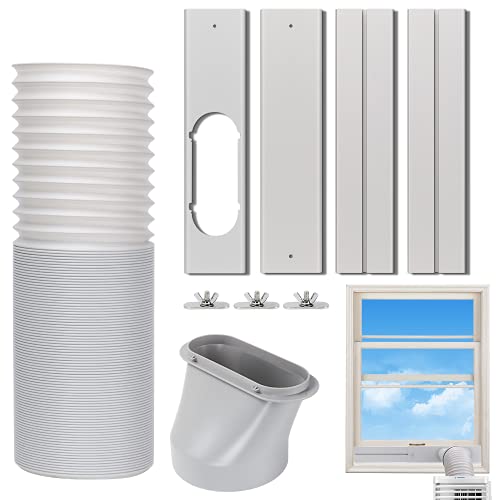
If your portable AC uses a window slider kit instead of a fabric seal, the installation logic is similar, but the rigid panel must match the window width precisely. A fabric universal seal is generally more forgiving when the window width does not match a standard kit size.
Quality Tiers and What to Expect
Universal window seals are available across several quality tiers. Understanding what each tier typically offers helps you set realistic expectations without relying on numeric comparisons.
| Tier | Typical Construction | Best For |
|---|---|---|
| Entry-level | Lightweight fabric with basic adhesive strips | Occasional use, short cooling seasons, renters who need a removable solution |
| Mid-range | Reinforced fabric with stronger fasteners and a drawstring sleeve | Regular seasonal use and households that install and remove the seal annually |
| Premium | Durable fabric, heavy-duty fastening system, refined sleeve closure | Frequent use, larger windows, and users who prioritize a tight, long-lasting seal |
Mid-range models generally offer a better balance of durability and ease of installation than entry-level options, while premium models focus on longevity and a more precise fit. The right tier depends on how often you use your portable AC and how permanent you want the installation to be. If you are also considering a more permanent cooling solution, our guide to ductless mini-split AC systems explains when a fixed installation becomes the better long-term choice.
Airlock Seal vs Traditional Window Kits
Traditional portable AC window kits use rigid plastic panels that slide into the window track. They work well when the window size matches the panel range, but they can leave gaps when the fit is imperfect. A fabric universal seal takes a different approach.
- Flexibility: Fabric conforms to irregular frames and angled openings; rigid panels do not.
- Storage: Fabric folds flat and stores easily; plastic panels are bulky.
- Sealing around the hose: Fabric sleeves can be tightened around the hose; plastic panels use a fixed circular opening.
- Durability: Rigid panels resist wear longer, while fabric may need washing or replacement over time.
- Window compatibility: Universal fabric seals fit more window types, but rigid kits provide a more rigid and predictable fit on standard double-hung windows.
For many portable AC owners, the universal fabric seal is the more practical choice because it adapts to the window rather than requiring the window to adapt to it. If your home has unusual window shapes or you move the unit between rooms, the flexibility advantage is significant.
Maintenance and Long-Term Use
A universal window seal is a low-maintenance accessory, but a few habits extend its useful life:
- Remove and clean the fabric at the end of each cooling season.
- Wash according to the manufacturer's instructions, usually a gentle cycle or hand wash, and air dry fully before storage.
- Inspect adhesive strips before each season; replace worn strips to maintain a tight seal.
- Store folded in a dry place to prevent mildew and fabric degradation.
- Check the sleeve closure around the hose periodically, since repeated installation can loosen drawstrings.
When the seal is well maintained, it can serve for multiple cooling seasons. If you are also maintaining the AC unit itself, our guides on cleaning the AC filter and seasonal AC checklists cover the complementary maintenance tasks that keep a portable unit running efficiently.
Frequently Asked Questions
Does the AC Airlock universal window seal fit all portable air conditioners?
It is designed to fit most single-hose portable air conditioners with standard exhaust hose diameters. Very large hoses, dual-hose units, or unusual window configurations may require additional sealing or a different accessory.
Can I use the seal with a sliding window?
Yes. The fabric design is intended to work with sliding windows as well as casement and awning windows. The key requirement is a window that opens enough to route the exhaust hose outside.
Will the adhesive strips damage my window frame?
Most adhesive strips are designed for temporary seasonal use and remove cleanly from smooth surfaces. On delicate or painted frames, test a small area first and remove the strips carefully at the end of the season.
How does the seal improve cooling performance?
By closing the gap around the exhaust hose, the seal reduces the amount of hot outdoor air that re-enters the room. This allows the portable AC to cool the space more consistently instead of continuously compensating for incoming heat.
Can I use the seal with a dual-hose portable AC?
The universal seal is primarily designed for single-hose units. Dual-hose units have a second intake hose that requires separate routing, so a single-hose seal may not provide complete coverage without modification.
Is the seal reusable across multiple seasons?
Yes, with proper care. Clean the fabric at the end of each season, replace worn adhesive strips, and store it dry. A well-maintained seal can be reused for several cooling seasons.
Final Verdict
The AC Airlock universal window seal is a practical accessory for anyone using a single-hose portable air conditioner. It addresses a real performance gap: the open window that lets hot air back in. Because it is fabric-based, it fits a wider range of window types than rigid plastic kits, and its installation is straightforward enough for most homeowners and renters to complete without professional help.
The seal is most valuable when the portable AC is the primary cooling source for a room, especially during peak summer conditions. In those situations, the difference between a sealed and unsealed window is noticeable in both comfort and energy use. For occasional or short-term use, a basic tier seal is usually sufficient, while frequent users benefit from a mid-range or premium tier for durability.
If you are still comparing cooling options, our buying guide and AC sizing guide will help you match the right unit and accessories to your room. For portable AC owners who want a tighter, more efficient window setup, the universal window seal is a worthwhile investment that supports the performance of the unit you already own.