6 Inch Exhaust Hose for Portable Air Conditioner: Complete Guide
Understand diameter, length, insulation, installation, and compatibility before you choose a replacement or extension hose for your portable AC.
Why this guide matters: The exhaust hose is one of the most overlooked parts of a portable air conditioner, yet it directly affects cooling performance, energy use, and indoor comfort. A correctly sized 6 inch hose keeps hot air moving outdoors efficiently. A mismatched or over-extended hose can reduce cooling capacity and stress the compressor. This guide helps you choose the right 6 inch exhaust hose with confidence.
What Is a 6 Inch Exhaust Hose for Portable Air Conditioner?
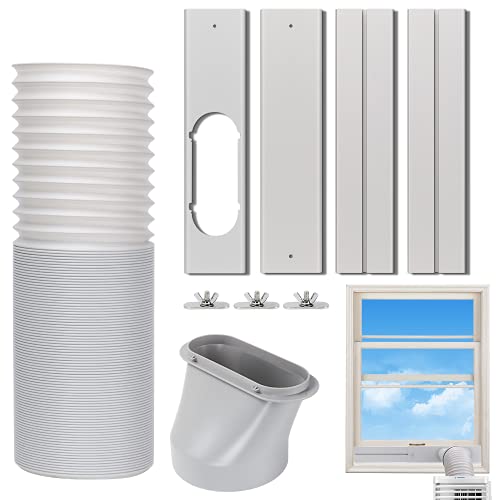
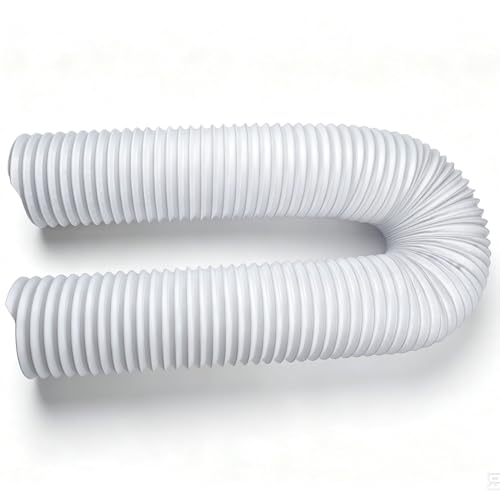
A 6 inch exhaust hose is a flexible duct that connects the hot-air exhaust port on the back of a portable air conditioner to a window kit, wall vent, or drop-ceiling outlet. The "6 inch" measurement refers to the nominal inner diameter of the hose, which must match the diameter of the unit's exhaust outlet and the vent connector for a secure, leak-free fit.
Portable air conditioners work by pulling warm indoor air through the evaporator coil, cooling it, and then expelling the absorbed heat outdoors through the exhaust hose. If the hose is too narrow, too long, kinked, or poorly sealed, hot air cannot leave efficiently. The result is reduced cooling capacity, higher energy consumption, and unnecessary wear on the compressor.
Most single-hose portable AC units in the 8,000 to 12,000 BTU range use a 6 inch hose. Smaller units often use 5 inch hoses, while some larger dual-hose models use 6 inch for both intake and exhaust. If you are comparing portable units by capacity, you can review the 8,000 BTU portable air conditioner and the 8,000 BTU dual hose portable air conditioner to see how hose configuration affects performance.
How to Identify Your Portable AC Hose Size
Before ordering a replacement or extension hose, confirm the diameter your unit requires. There are three reliable ways to check:
- Measure the exhaust port: Use a tape measure across the circular opening on the back of the unit where the hose connects. A reading near 6 inches indicates a 6 inch hose.
- Measure the connector ring: The plastic ring or collar that twists onto the unit is often the most accurate reference point. Measure the inner diameter of the ring.
- Check the manual or product label: The specification table usually lists the exhaust hose diameter. Look for terms like "hose diameter," "duct size," or "exhaust outlet."
Quick tip: Measure the connector ring rather than the hose itself. A flexible hose can stretch slightly, so the rigid connector gives a more reliable reading.
If your measurement falls between 5.5 and 6.5 inches, the unit most likely uses a 6 inch hose. Avoid forcing a 5 inch hose onto a 6 inch port or wrapping a loose 6 inch hose with tape. A proper fit prevents hot air from leaking back into the room.
Choosing the Right Hose Length
Hose length directly affects airflow resistance. Every additional foot of hose adds friction, and every bend or kink increases back pressure. Most manufacturers supply hoses between 4 and 6 feet, which is sufficient for most window installations.
When selecting a hose, follow these principles:
- Keep the run as short as possible. Position the portable AC close to the window or wall vent.
- Minimize bends. One gentle curve is preferable to two sharp turns.
- Respect the manufacturer's maximum length. Extending beyond the recommended limit can reduce cooling capacity and may void the warranty.
- Avoid vertical runs whenever possible. Hot air rises, but long vertical stretches add resistance and can trap condensation.
If your window is far from where the unit must sit, consider a different window or a 6 inch wall vent for portable air conditioner instead of a long hose run. A wall vent shortens the exhaust path and often improves performance.
| Hose Length | Best Use Case | Airflow Consideration |
|---|---|---|
| 4 to 5 feet | Unit placed directly beside a window | Minimal resistance, best cooling performance |
| 6 feet | Standard window installation with moderate offset | Acceptable for most units if bends are gentle |
| 8 feet or more | Only if manufacturer permits; use a wall vent if possible | Higher back pressure, reduced efficiency |
Hose Materials and Build Quality
Exhaust hoses are typically made from one of three material constructions. Each has trade-offs in durability, flexibility, and heat resistance.
PVC-Coated Polyester
This is the most common construction. A polyester fabric core is coated with PVC on both sides, then reinforced with a steel wire helix. It is flexible, lightweight, and resistant to moisture. Entry-level hoses often use a thinner coating, while mid-range and premium hoses use heavier coatings and tighter helix spacing for better crush resistance.
Aluminum Foil Laminate
Aluminum laminate hoses are lighter and more heat-reflective than PVC. They are often used in HVAC ducting and can work well for portable AC exhaust when paired with a proper connector. However, they dent and crease more easily and may not hold their shape as well over time.
Reinforced Multi-Layer Duct
High-end and professional-grade hoses use multiple layers of flame-retardant materials with a rigid wire helix. These are heavier, more durable, and better at resisting kinks and punctures. They are a solid choice if the hose will be moved frequently or routed through tight spaces.
Build quality indicators: Look for tight helix spacing, smooth inner walls, reinforced end cuffs, and a coating that does not flake or peel. A hose that collapses under slight pressure will restrict airflow.
Insulation and Condensation Control
An uninsulated exhaust hose carries hot air, but its surface can still radiate heat back into the room. In hot climates or when the hose passes through a conditioned space, this heat gain reduces the net cooling effect. Insulating the hose helps keep the exhaust stream hot and the room cooler.
Insulation also reduces condensation. When a hose runs through a cool space, the temperature difference can cause moisture to form on the outer surface. Over time, this can lead to dripping water, mold growth, and damage to floors or walls.
Options for insulating a 6 inch hose include:
- Foam pipe insulation sleeves: Slide-on sleeves designed for round ducts; choose a size that fits snugly over the hose.
- Reflective foil wrap: A radiant barrier that reflects heat; effective but less effective at stopping condensation.
- Pre-insulated hose: Some premium hoses ship with an insulating layer already attached.
If you are also considering ductwork upgrades for a ducted system, the principles are similar. For more on flexible duct options, see the 6 inch flexible ductwork guide and the 6 flex duct overview.
Installation Best Practices
Proper installation ensures the hose stays connected, sealed, and free of kinks. Follow these steps for a reliable setup:
- Unpack and extend the hose fully. Allow the hose to relax before connecting it. A tightly coiled hose can kink when the unit runs.
- Attach the hose to the unit first. Twist the connector ring clockwise until it locks. Some units use a bayonet-style fitting; align the tabs before turning.
- Route the hose to the window or wall vent. Keep the path as straight as possible. Avoid sharp bends, loops, or dips where condensation could collect.
- Secure the window kit. Slide the window panel into the frame and close the window against it. Seal gaps with the included foam or weatherstripping.
- Connect the hose to the window panel. Twist or snap the hose into the panel connector. Make sure the connection is snug.
- Test for leaks. Run the unit and feel around the connections for escaping air. Seal any gaps with foil tape or weatherstripping.
If the hose must pass through a wall, use a dedicated 6 inch wall vent for portable air conditioner rather than cutting a hole and sealing around a loose hose. A proper wall vent provides a clean, insulated, and weather-resistant exit point.
Safety note: Never exhaust a portable AC into an enclosed space such as an attic, garage, or crawlspace. The exhaust contains heat and moisture and must be directed outdoors.
Compatibility and Adapters
Not all 6 inch hoses are interchangeable. Connector designs vary by brand and model, so compatibility depends on both diameter and fitting style. Before purchasing a replacement hose, confirm the following:
- Diameter: The hose must match the unit's exhaust port and window kit connector.
- Connector type: Common types include twist-lock rings, bayonet tabs, and friction-fit collars. Some brands use proprietary fittings.
- Thread direction: A few units use left-hand threads; a standard hose will not lock onto them.
- Window kit size: The hose connector must fit the panel opening. Adapters are available for mismatched sizes.
If you are replacing a hose on a specific unit, check the model number and look for a hose listed as compatible. Universal hoses often include adapter rings for multiple brands. When in doubt, measure the connector ring and compare it to the product specification.
For larger portable units, the exhaust requirements can differ. If you are working with a higher-capacity model, review the 6,000 BTU portable air conditioner and 6,000 BTU portable air conditioner room size guides to understand how capacity and hose sizing interact.
Extending a 6 Inch Hose Safely
Sometimes the supplied hose is too short for the desired unit placement. Extending the hose is possible, but it must be done carefully to avoid degrading performance.
Follow these guidelines when extending:
- Use a matching 6 inch hose. Do not step down to 5 inch or step up to 8 inch hose.
- Use a rigid coupler. A plastic or metal coupler creates a smoother transition than taping two hose ends together.
- Keep the total length within the manufacturer's limit. Many portable AC manuals specify a maximum equivalent length, often around 6 to 9 feet.
- Avoid adding bends. Each additional connection point and bend increases resistance.
- Seal the joint. Wrap the coupler with foil tape to prevent hot air from leaking into the room.
If the required run is long, a wall vent or a different window location is usually a better solution than a long extension. For alternative ducting components, the 6 inch flexible ductwork and 6 flex duct pages cover related flexible duct options that may be useful for custom installations.
Common Mistakes to Avoid
Even a well-made 6 inch hose can underperform if installed incorrectly. Watch for these common errors:
- Using the wrong diameter. A 5 inch hose on a 6 inch port restricts airflow and can cause overheating.
- Leaving gaps around the window panel. Hot outdoor air enters, and cool indoor air escapes, reducing efficiency.
- Kinking or crushing the hose. Furniture, curtains, or tight corners can collapse the helix and block airflow.
- Routing the hose through a hot attic or crawlspace. Heat gain and condensation can cause problems; keep the run indoors and direct.
- Ignoring condensation. A sagging hose can collect water. Support the hose so it slopes slightly downward toward the outdoors.
- Over-extending. A hose stretched beyond its design length may separate at the seams or lose its shape.
Quality Tiers Explained
Exhaust hoses vary in construction quality. The tiers below describe relative positioning in the market without referencing specific figures. Use them to set expectations when comparing options.
Entry-Level Tier
Basic PVC-coated polyester hose with a standard wire helix. Suitable for light use and stationary installations. Adequate for most standard portable AC units when handled carefully.
Mid-Range Tier
Thicker coating, tighter helix spacing, and reinforced cuffs. Better resistance to kinks and punctures. A solid choice for households that move the unit seasonally or route the hose through tighter spaces.
Premium Tier
Multi-layer reinforced construction with flame-retardant materials and heavy-duty connectors. Designed for frequent handling, longer service life, and more demanding installations. Often includes pre-insulated options.
For most residential users, a mid-range hose offers a good balance of durability and flexibility. Premium hoses make sense if the unit is used heavily, moved often, or installed in a space where the hose is exposed to abrasion or heat.
Ready to Choose the Right Hose?
Review the recommended portable AC exhaust hoses below. Compare features, connector types, and construction quality to find the best match for your unit.
Frequently Asked Questions
What is a 6 inch exhaust hose for portable air conditioner?
A 6 inch exhaust hose is a flexible duct that connects a portable air conditioner to a window or wall vent, carrying hot exhaust air outdoors. The 6 inch figure refers to the nominal inner diameter of the hose.
How do I know if my portable AC needs a 6 inch hose?
Measure the exhaust outlet port on the back of your unit and the connector ring on the window kit. If the opening measures approximately 6 inches across, the unit uses a 6 inch hose. Many single-hose units rated around 8,000 to 12,000 BTU use this size.
Can I extend a 6 inch portable AC exhaust hose?
Yes, but keep the total run as short and straight as possible. Extending beyond the manufacturer's recommended length increases back pressure, reduces cooling performance, and can stress the compressor. Use a rigid coupler and matching diameter hose.
Should I insulate a 6 inch exhaust hose?
Insulating the hose reduces heat radiated back into the room and helps prevent condensation on cool surfaces. It is especially useful in hot climates or when the hose runs through a conditioned space.
How long should a 6 inch exhaust hose be?
Most portable AC manufacturers supply hoses between 4 and 6 feet. Keep the run as short as the window or wall location allows. Longer runs reduce airflow and efficiency.
Can I use a 5 inch hose on a 6 inch portable AC?
No. Reducing the diameter restricts airflow, increases back pressure, and can cause overheating or reduced cooling. Always match the hose diameter to the unit's exhaust port.
Do all 6 inch hoses fit all portable AC brands?
No. While the diameter may match, connector designs vary. Twist-lock rings, bayonet tabs, and friction-fit collars are common, and some brands use proprietary fittings. Confirm connector compatibility before ordering.
What is the difference between a single-hose and dual-hose setup?
A single-hose unit uses one hose to exhaust hot air, which can create negative pressure indoors. A dual-hose unit uses one hose for outdoor air intake and one for exhaust, which generally maintains better pressure balance and efficiency. Both can use 6 inch hoses depending on the model.
Final Thoughts
A 6 inch exhaust hose is a small component with a large impact on portable AC performance. Matching the diameter, keeping the run short, sealing the connections, and insulating when needed will help your unit cool more effectively and last longer. Before buying a replacement or extension, confirm the connector type and measure the port carefully. If you are still comparing portable AC options, the 7,000 BTU portable air conditioner room size guide and the 8,000 BTU portable air conditioner room size guide can help you align capacity with room dimensions.
For related ducting topics, explore the 6 inch flexible ductwork page and the 6 flex duct overview.