
Heating and Cooling Contractors: How to Choose the Right One
A practical, research-first guide to licensing, quotes, installation quality, and warranty protection before you hire a local HVAC professional
START THE RESEARCHWhy this page matters: A well-chosen contractor protects your equipment, your comfort, and your long-term energy use. This guide walks you through every stage of the selection process so you can compare providers with confidence, from verifying licenses to evaluating written estimates and post-installation support.
On This Page
- What Heating and Cooling Contractors Actually Do
- Types of HVAC Contractors and Service Tiers
- Licensing, Insurance, and Certification Checks
- The Hiring Process Step by Step
- How to Evaluate Written Estimates
- Why Installation Quality Decides Performance
- Warranty and After-Sales Support
- Red Flags and Warning Signs
- Quick Contractor Interview Checklist
- Frequently Asked Questions
What Heating and Cooling Contractors Actually Do
Heating and cooling contractors are licensed professionals who design, install, maintain, and repair the systems that keep buildings comfortable. Their work spans far beyond swapping a box on a concrete pad. A competent contractor performs load calculations, evaluates existing ductwork, selects equipment that matches the building's characteristics, and commissions the system so it operates at its rated efficiency.
The scope of a typical HVAC contractor includes central air conditioning installation and repair, furnace and heat pump service, ductwork design and modification, refrigerant handling, thermostat setup, indoor air quality improvements, and preventive maintenance plans. Many also handle commercial-grade systems for offices, restaurants, and light industrial spaces.
Because heating and cooling equipment is the single largest energy consumer in most homes, contractor quality has a direct impact on monthly utility use and equipment lifespan. A properly sized and installed system can run close to its rated efficiency for years; a poorly installed one can lose a significant portion of its rated capacity from day one. Understanding the fundamentals of different types of air conditioning systems helps you ask smarter questions during the selection process.
The best contractors approach each project as a system design problem, not a parts replacement task. They measure the building, inspect existing ductwork, check electrical capacity, and verify refrigerant line requirements before recommending equipment. That diligence is what separates professional-grade installation from a quick swap.
Types of HVAC Contractors and Service Tiers
The contractor market is not uniform. Providers differ in specialization, equipment tier, and depth of service. Understanding the landscape helps you match the right provider to your project rather than defaulting to the first company that answers the phone.
| Contractor Type | Tier | Best For | Typical Scope |
|---|---|---|---|
| General HVAC Service Company | Essential Tier | Routine maintenance, repairs, single-room replacements | Diagnostics, filter and coil service, component replacement, basic installs |
| Full-Service Residential Contractor | Balanced Tier | Whole-home system replacement, ductwork upgrades | Load calculations, equipment selection, duct design, permits, commissioning |
| Design-Build HVAC Specialist | Premium Tier | New construction, major renovations, zoned systems | Manual J and D calculations, zoning design, energy modeling, full project management |
| Commercial and Industrial Contractor | Commercial-Grade | Offices, retail, restaurants, light industrial | Rooftop units, split systems, ventilation, building automation, service contracts |
Specialists also exist for specific niches: ductless mini-split installers, geothermal designers, and indoor air quality providers. If your project involves a specific technology, choosing a contractor with documented experience in that system reduces risk. For example, a contractor who regularly installs high-efficiency mini-splits will be more familiar with refrigerant line routing and condensate management than a generalist.
Matching Contractor Tier to Project Complexity
A simple window unit replacement does not require a design-build specialist. Conversely, a whole-home system replacement with new ductwork and zoning deserves a contractor who performs load calculations and documents the design. The key is proportionality: match the depth of the contractor's process to the complexity of your project, and insist that the process includes measurement and verification rather than guesswork.
Licensing, Insurance, and Certification Checks
Licensing is the first and most important filter. HVAC work typically requires a state or local license, and many jurisdictions require separate credentials for refrigerant handling and electrical connections. A reputable contractor will provide a license number without hesitation and will not object when you verify it with the licensing board.
What to Verify Before You Sign
- Active license: Confirm the license is current and covers the specific work being performed, including any electrical and refrigerant handling components.
- Liability insurance: Ask for a certificate of insurance and confirm the coverage is active for the project dates.
- Workers' compensation: This protects you from liability if a worker is injured on your property.
- EPA Section 608 certification: Required for technicians who handle refrigerants. Ask for proof for the technicians assigned to your job.
- Manufacturer certifications: Many equipment brands offer factory-authorized dealer programs with additional training and extended warranty eligibility.
- Permits: The contractor should pull required permits. A contractor who suggests skipping permits is a warning sign.
Verification Tip
Do not rely solely on a logo or a badge on a website. Call the licensing board, check the insurance certificate directly with the insurer if needed, and confirm the permit process for your jurisdiction. Verification takes minutes and protects you from significant downstream risk.
For homeowners who want a starting point, searching for heating and air conditioning companies in my area is a reasonable first step, but treat directory listings as leads rather than endorsements. The verification work still belongs to you.
The Hiring Process Step by Step
Choosing a contractor is a sequence of small decisions. Following a structured process prevents rushed choices and keeps the project on track.
Step 1: Define the Scope
Write down what you want to accomplish: replace an aging system, add cooling to a room without ducts, improve comfort in a hot upstairs zone, or reduce energy use. A clear scope helps contractors give comparable proposals and prevents scope creep later. If your goal is efficiency-focused, reviewing energy efficient HVAC systems before the first call gives you useful vocabulary.
Step 2: Gather Candidate Contractors
Identify at least three licensed contractors with relevant experience. Ask neighbors, check manufacturer dealer locators, and review local licensing boards. If you prefer to start online, a search for heating and cooling services in my area can surface candidates, but verify every lead independently.
Step 3: Request On-Site Assessments
A serious contractor will visit the property, measure the space, inspect ductwork, and check electrical capacity. Be wary of contractors who quote a replacement system over the phone without seeing the building. The assessment is where the real design work begins.
Step 4: Compare Written Estimates
Request written, itemized estimates. Compare scope, equipment tier, warranty terms, and project timeline rather than a single bottom-line figure. The section on evaluating written estimates below covers this in detail.
Step 5: Ask About the Installation Process
Ask how the contractor will handle refrigerant line work, duct modifications, permits, equipment commissioning, and cleanup. A contractor who can explain the process clearly is more likely to execute it well.
Step 6: Confirm the Contract and Schedule
The contract should specify equipment model numbers, scope of work, payment schedule, warranty terms, and start and completion dates. Avoid contracts that leave key details vague or that require a large upfront payment before work begins.
How to Evaluate Written Estimates
Estimates vary widely in detail. A strong estimate is a mini design document; a weak one is a line item with a number next to it. Use the comparison framework below to evaluate proposals consistently.
| Estimate Element | What to Look For | Why It Matters |
|---|---|---|
| Equipment model and tier | Exact model numbers, efficiency rating, tier designation | Prevents substitution with lower-tier equipment |
| Load calculation | Documented sizing method and results | Confirms the system matches the building |
| Ductwork scope | Modifications, sealing, insulation, sizing changes | Duct issues undermine even premium equipment |
| Electrical and refrigerant work | Line set length, charging method, electrical upgrades | Affects performance, safety, and warranty validity |
| Permits and disposal | Included permit handling and old equipment removal | Prevents surprise add-ons later |
| Warranty terms | Labor and parts coverage, conditions, registration | Determines long-term protection |
| Timeline | Start date, duration, milestones | Sets expectations and accountability |
Compare estimates side by side using the same criteria. If one estimate is dramatically lower than the others, investigate why: smaller equipment, fewer duct modifications, no permit, or a lower equipment tier. The lowest proposal is not automatically the best value for the category; the clearest and most complete proposal usually is.
Why Installation Quality Decides Performance
Installation quality is the single largest variable in HVAC performance. Two identical systems installed by different contractors can perform very differently in terms of comfort, energy use, and longevity. The difference comes down to a handful of technical decisions made during installation.
The Technical Factors That Matter
- Sizing accuracy: Oversized equipment cycles on and off frequently, which reduces dehumidification and stresses components. Undersized equipment runs continuously and fails to maintain setpoint during peak conditions.
- Duct design and sealing: Leaky or undersized ducts waste conditioned air and create pressure imbalances. Proper sealing and sizing are covered in detail in resources on air duct sealing and HVAC ductwork installation.
- Refrigerant charging: Charge must be set by weight or subcooling/superheat measurement, not estimated. Incorrect charge reduces capacity and can damage the compressor.
- Airflow verification: Static pressure and airflow should be measured and adjusted so the system moves the designed volume of air.
- Commissioning: A thorough contractor documents temperatures, pressures, and airflow at startup and provides a commissioning report.
When evaluating contractors, ask how they verify each of these factors. A contractor who can describe their commissioning process in specific terms is demonstrating that they treat installation as an engineering task rather than a swap.
Warranty and After-Sales Support
Warranty terms are a useful proxy for contractor confidence. Manufacturers typically offer equipment warranties, but the contractor's labor warranty is often the more important protection during the first years of operation.
What a Solid Warranty Package Includes
- Equipment warranty: Parts and compressor coverage, with clear conditions such as required annual maintenance.
- Labor warranty: Coverage for the contractor's workmanship, typically ranging from one year to several years depending on the contractor and project tier.
- Registration: Many manufacturers require product registration to activate full warranty terms. Confirm who handles registration.
- Maintenance requirements: Most warranties require documented annual maintenance. Ask what the contractor offers and how records are kept.
- Response commitments: Ask about service call response times and after-hours availability.
After-sales support extends beyond warranty paperwork. A contractor who provides a clear point of contact, schedules a follow-up visit after installation, and answers questions promptly is more likely to honor warranty claims when needed. If you are also considering a service plan, review typical terms for AC annual service to understand what preventive maintenance includes.
Red Flags and Warning Signs
Most contractor problems are visible early if you know what to look for. The following warning signs should prompt caution or disqualification.
- No license number provided: A contractor who deflects licensing questions is a significant risk.
- Pressure to sign immediately: High-pressure sales tactics, such as limited-time discounts that expire the same day, are a classic warning sign.
- Quote without an on-site visit: Sizing and scope require measurement. A phone quote for a full system replacement is unreliable.
- Permit avoidance: A contractor who suggests skipping permits is cutting a corner that protects you.
- Large upfront payment requests: Standard practice involves a deposit and progress payments, not full payment before work begins.
- Vague written estimates: Estimates without model numbers, scope details, and warranty terms leave room for substitution and add-ons.
- No physical business address: A legitimate contractor has a verifiable business location and references.
Reference Checks Matter
Ask for references from projects similar to yours and follow up with them. Ask reference customers about installation quality, communication, cleanup, and whether the system has performed as expected through at least one full heating and cooling season.
Quick Contractor Interview Checklist
Use this checklist during your conversations with candidate contractors. A contractor who can answer these questions clearly and provide documentation is well prepared for your project.
Before Hiring
- License number provided and verified with the licensing board
- Certificate of liability insurance and workers' compensation provided
- EPA Section 608 certification confirmed for assigned technicians
- Permit process explained and included in the estimate
- On-site assessment completed with measurements documented
- Load calculation method described and included in the proposal
- Exact equipment model numbers and tier specified in writing
- Ductwork scope described, including sealing and insulation
- Commissioning process described, including airflow and charge verification
- Labor and equipment warranty terms provided in writing
- Manufacturer warranty registration responsibility clarified
- Payment schedule and project timeline documented
- References from similar projects provided
- After-hours service and response times explained
Frequently Asked Questions
How do I verify that a heating and cooling contractor is licensed?
Ask for the contractor's license number and verify it directly with your state or local licensing board. Reputable contractors provide this information without hesitation. Also request a certificate of liability insurance and confirm workers' compensation coverage is active for the project dates.
How many contractor quotes should I collect before hiring?
Gather at least three written quotes from licensed contractors. This lets you compare scope of work, equipment tier, warranty terms, and installation approach rather than comparing headline figures alone. A complete proposal is more valuable than a lower incomplete one.
What should a written HVAC estimate include?
A solid estimate should list the exact equipment model and tier, required permits, labor scope, ductwork modifications, refrigerant line work, disposal of old equipment, warranty terms, payment schedule, and a clear project timeline. Vague estimates are a warning sign.
Why does proper installation matter more than brand alone?
Even premium equipment underperforms when sized or installed incorrectly. Correct load calculation, duct sizing, refrigerant charging, and commissioning determine real-world efficiency, comfort, and equipment lifespan. The contractor's process matters as much as the equipment label.
Should I choose a contractor based on the equipment brand they carry?
Brand matters, but installation quality and service support matter more. A top-tier brand installed poorly will underperform a mid-range brand installed correctly. Prioritize contractors with strong installation processes, relevant experience, and reliable warranty support, then consider brand preferences within that shortlist.
How long should a typical HVAC installation take?
A straightforward single-system replacement often takes one to two days. Projects involving ductwork modifications, zoning, or electrical upgrades take longer. The contractor should provide a clear timeline and explain any phases that require the system to be offline.
Once you have selected a contractor and confirmed the scope, the next step is understanding what to expect during and after installation. Reviewing resources on heating and cooling contractors and heating and cooling services in my area helps you keep the project on track and verify that the work matches the proposal.
Recommended Heating and Cooling Equipment from Trusted Contractors
⚠️ AFFILIATE DISCLOSURE: This website contains affiliate links. As an Amazon Associate, we earn from qualifying purchases. If you make a purchase through these links, we may receive a small commission at no additional cost to you. Read our full affiliate policy.

Hydronic Heating and Cooling Field Guide: Contractor-Proven Schematics, Sizing Methods, and Troubleshooting for Boilers, Heat Pumps, and Retrofits
Check price on Amazon
Modern Hydronic Heating and Cooling: For Residential and Light Commercial Buildings
Check price on Amazon
Heating, Cooling, Lighting: Sustainable Design Strategies Towards Net Zero Architecture
Check price on Amazon
Earth Tubes for Off-Grid Heating & Cooling: A Practical Guide to Ground-Coupled Ventilation, Safe Moisture Control, and Realistic Performance (Gritward Field Guides)
Check price on Amazon
Heating and Cooling Essentials Lab Workbook
Check price on Amazon
Heating, Cooling, Lighting: Sustainable Design Methods for Architects
Check price on Amazon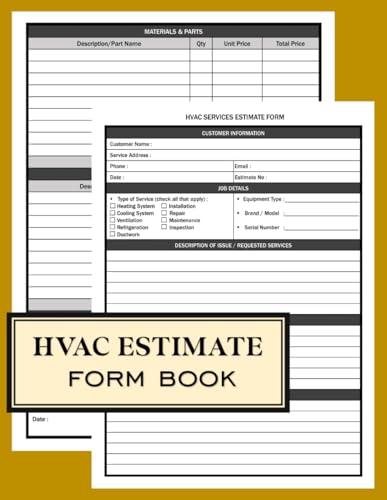
HVAC Estimate Form Book: Professional Heating & Cooling Job Estimate Templates For HVAC Technicians, Contractors, And Service Providers | Record Job Details, Materials, Labor And Payments
Check price on Amazon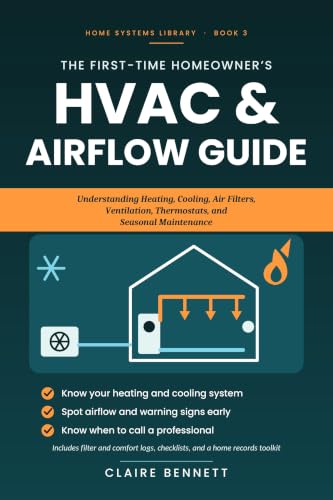
The First-Time Homeowner's HVAC & Airflow Guide: Understanding Heating, Cooling, Air Filters, Ventilation, Thermostats, and Seasonal Maintenance
Check price on AmazonDisclaimer
Some of the content on this site uses AI assistance. Information is provided for educational purposes only. We are not responsible for any losses resulting from the use of this information. By using this site, you waive any right to bring legal claims against us arising from your use of the information provided. If you do not agree, please do not use this site. Read the full disclaimer.