AC Blower Fan Replacement: Complete Guide to Diagnosis and Repair
Understand the symptoms of a failing blower fan, learn how replacement works, and discover how to restore proper airflow to your home cooling system safely and efficiently.
Start DiagnosingWhy this matters: The blower fan is the component that pushes cooled air through your ductwork and into living spaces. When it fails, your AC may run continuously without cooling effectively, causing discomfort, higher energy use, and potential strain on the compressor. This guide helps you identify the problem and make an informed decision about repair or replacement.
Understanding the AC Blower Fan
The blower fan, also called the blower motor assembly, is located inside the indoor air handler unit of a split-system air conditioner, or inside the main cabinet of a packaged unit. Its primary role is to circulate air across the evaporator coil, where heat is absorbed, and then distribute the cooled air throughout the home via ductwork. In heating mode, the same blower performs a similar function for the furnace or heat pump.
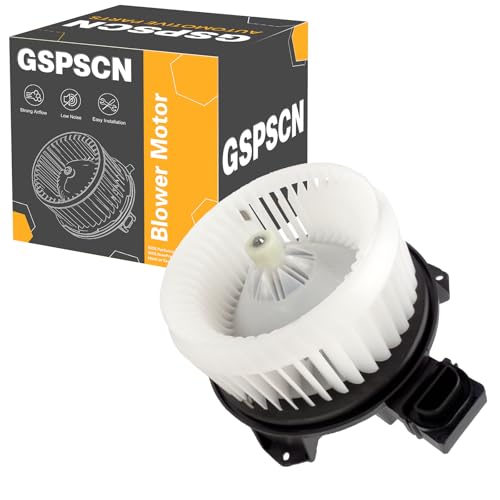
A blower assembly consists of several key parts: the motor itself, the fan wheel (often called a squirrel-cage blower), the motor capacitor, the mounting bracket, and the wiring harness. Failure can originate in any of these components, though the motor and capacitor are the most common culprits. Understanding which part has failed is essential before deciding on blower fan replacement versus a simpler repair.
How the Blower Fan Works in Your System
When your thermostat calls for cooling, the control board energizes the blower motor. The motor spins the fan wheel, drawing air from the return ducts, passing it over the evaporator coil, and forcing it through the supply ducts. The speed of the motor may be fixed or variable, depending on your system type. Variable-speed blowers, often found in inverter AC systems, adjust airflow more precisely for better comfort and efficiency.
If the blower fan is not functioning correctly, the entire cooling process is compromised. The evaporator coil can freeze from lack of airflow, and the compressor may overheat or short-cycle. Recognizing these signs early can prevent more extensive damage to your system.
Signs Your AC Blower Fan Needs Replacement
Blower fan problems often develop gradually, giving homeowners time to address them before a complete failure. Watch for these common warning signs:
Weak or No Airflow
Vents feel barely any air, or airflow stops entirely while the outdoor unit continues running. This is the most common indicator of blower motor failure.
Unusual Noises
Squealing, grinding, rattling, or humming sounds from the air handler often indicate worn bearings, a failing capacitor, or a loose fan wheel.
Frozen Evaporator Coil
Insufficient airflow causes the coil to freeze. You may notice ice on the indoor unit or refrigerant lines, accompanied by reduced cooling.
System Short-Cycling
The AC turns on and off frequently because the blower cannot maintain proper airflow, causing the system to overheat or trip safety controls.
Motor Won't Start
A completely dead blower motor results in no airflow at all. This may be a failed capacitor, a burnt-out motor, or a control board issue.
Burning Smell or Overheating
A burning odor near the air handler suggests the motor is overheating or electrical components are failing. Turn off the system and call a technician.
If you notice any of these symptoms, it is worth investigating whether the issue stems from the blower fan or another component. For example, if your AC is blowing cold air but the house is not cooling, the problem could be blower-related, duct-related, or refrigerant-related. A qualified technician can pinpoint the exact cause.
Common Causes of Blower Fan Failure
Blower fans are designed for years of reliable service, but several factors can accelerate wear or cause sudden failure:
| Cause | Description | Typical Fix |
|---|---|---|
| Worn Motor Bearings | Bearings lose lubrication over time, causing friction, noise, and eventual seizure. | Motor replacement |
| Failed Capacitor | The run capacitor provides the electrical boost needed to start and run the motor. A weak or blown capacitor prevents startup. | Capacitor replacement |
| Dirt and Debris Buildup | Dust and lint accumulate on the fan wheel and motor, causing imbalance, overheating, and reduced efficiency. | Cleaning or replacement |
| Electrical Issues | Loose wiring, burnt connections, or control board faults interrupt power to the motor. | Wiring repair or board replacement |
| Age-Related Wear | After 10 to 15 years, motor windings and mechanical parts naturally degrade. | Full blower assembly replacement |
| Improper Voltage | Voltage fluctuations or incorrect wiring can damage the motor over time. | Electrical inspection and motor replacement |
Regular maintenance, including cleaning or replacing air filters and scheduling annual HVAC tune-ups, significantly extends blower fan lifespan by reducing strain and keeping components clean. Neglecting these tasks allows dust to accumulate and forces the motor to work harder.
Diagnosing a Blower Fan Problem
Before replacing the blower fan, a technician will perform a systematic diagnosis to confirm the motor is indeed the failed component. Here is a simplified overview of the diagnostic process:
-
Check Thermostat and Power
Confirm the thermostat is set to cool and the fan mode is on "auto" or "on." Verify the circuit breaker for the air handler is not tripped.
-
Listen and Observe
Turn on the system and listen for unusual sounds. Check if the blower wheel spins freely by hand (with power off). A stiff or noisy wheel points to bearing failure.
-
Test the Capacitor
Use a multimeter to check the capacitor's capacitance. A reading significantly below the rated value indicates a failed capacitor, which is a simpler and less involved repair than motor replacement.
-
Check Voltage at the Motor
With the system calling for fan operation, measure voltage at the motor terminals. Absence of voltage suggests a control board or wiring issue; presence of voltage with no motor movement indicates a failed motor.
-
Inspect the Fan Wheel and Housing
Look for debris, cracks, or imbalance in the fan wheel. A damaged wheel can cause vibration and premature motor failure.
-
Confirm Motor Failure
If the motor receives correct voltage but does not run, or if windings are open or shorted, replacement is necessary.
Safety Notice: Diagnosing and replacing blower motors involves high-voltage electricity and moving parts. If you are not experienced with HVAC electrical systems, hire a licensed technician. Attempting repairs without proper training risks serious injury and may void warranties.
Blower Fan Replacement Process
Replacing a blower fan is a moderately complex HVAC repair. The exact steps vary by system type, but the general process includes:
1. Preparation and Safety
The technician disconnects power at the breaker and confirms with a voltage tester. The air handler cabinet is opened, and the blower compartment is accessed. Photographs or notes are taken of the wiring configuration before disconnection.
2. Removing the Old Blower Assembly
Wires are labeled and disconnected. The mounting screws or brackets holding the blower assembly are removed, and the entire assembly is slid out. In some systems, the motor can be replaced separately from the fan wheel; in others, the complete assembly is swapped.
3. Matching the Replacement
The replacement motor or assembly must match the original in voltage, horsepower, speed, rotation direction, and frame size. Using an incorrect motor can cause poor performance, premature failure, or system damage. For systems with specific airflow requirements, such as those serving bedroom AC installations, matching the original specifications is critical.
4. Installing the New Blower
The new assembly is positioned and secured. Wiring is reconnected according to the labeled diagram. The fan wheel is checked for clearance and free rotation. The cabinet is closed, and power is restored.
5. Testing and Verification
The technician runs the system in fan-only mode, then in cooling mode, verifying airflow at supply registers, checking for vibration or unusual noise, and measuring temperature differential across the evaporator coil. Proper airflow and temperature split confirm successful installation.
If you are considering a full system upgrade rather than a repair, exploring central air conditioning options or ductless mini-split systems may be worthwhile, especially if your current unit is aging or inefficient.
Repair or Replace: Making the Decision
When a blower fan fails, homeowners face a choice: replace just the failed component or consider a broader system decision. The right path depends on the age of your equipment, the extent of the failure, and your long-term plans.
| Scenario | Recommended Approach | Rationale |
|---|---|---|
| System under 10 years old, isolated blower failure | Replace blower motor or assembly | Rest of system has remaining service life; targeted repair is efficient. |
| System 10–15 years old, blower failure plus other issues | Evaluate full system replacement | Multiple failing components may signal end of useful life. |
| Capacitor or wiring issue only | Repair the specific component | Motor itself is fine; simple fix restores operation. |
| Repeated blower failures | Investigate root cause (ductwork, voltage, sizing) | Underlying issues must be corrected to prevent recurrence. |
| High-end tier system with premium features | Repair with OEM parts when possible | Preserves system performance and warranty coverage. |
For homeowners with older homes without ductwork, blower fan issues in a central system may prompt consideration of ductless alternatives. Similarly, if your system is part of a broader efficiency upgrade, reviewing SEER ratings and ENERGY STAR certification can inform whether repair or replacement aligns better with long-term goals.
Preventive Maintenance for Blower Longevity
Extending the life of your blower fan is far simpler than replacing it. Follow these practices:
- Change air filters regularly. A clogged filter restricts airflow and forces the blower motor to work harder. Check monthly and replace as needed. Learn more in our guide on when to replace your AC filter.
- Schedule annual professional maintenance. A technician will clean the blower wheel, lubricate moving parts where applicable, test the capacitor, and verify electrical connections.
- Keep the air handler area clean. Reduce dust and debris around the indoor unit to minimize contamination.
- Monitor for unusual sounds. Early detection of bearing noise or vibration allows for timely intervention before catastrophic failure.
- Address airflow issues promptly. If you notice AC blowing air but not cold, investigate before secondary damage occurs.
For a comprehensive seasonal checklist, refer to our seasonal AC maintenance guide.
Frequently Asked Questions
How do I know if my AC blower fan needs replacement?
Can I replace an AC blower fan myself?
How long does an AC blower motor typically last?
What happens if I ignore a failing blower fan?
Will a new blower motor improve energy efficiency?
Ready to Restore Comfortable Airflow?
Explore our recommended replacement blower fans and related components below to find the right fit for your system.
View Recommended Products