AC Compressor Replacement: Complete Guide & Key Insights
Understand when to replace your AC compressor, the replacement process, and how to make an informed decision for your home cooling system.
START LEARNINGAC Units Guide Philosophy: We believe that well-informed customers make the right decisions. Learn first, understand your needs, then choose the right product. This is where you learn before buying.
Understanding AC Compressor Replacement
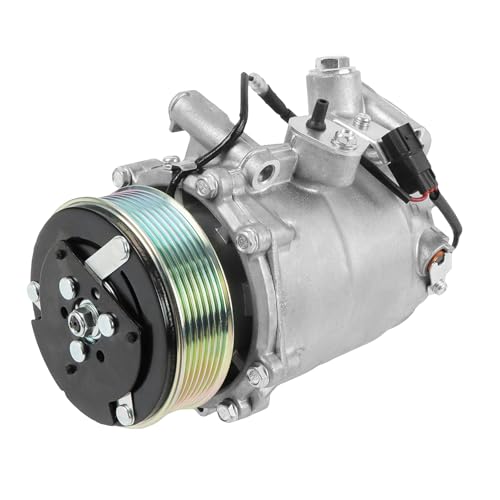
The compressor is the heart of your air conditioning system. It circulates refrigerant through the coils, enabling heat transfer from inside your home to the outdoors. When the compressor fails, your entire cooling system stops working effectively. Understanding the signs of compressor failure and the replacement process helps you make informed decisions and avoid unnecessary expenses.
This guide covers everything you need to know about AC compressor replacement, from recognizing failure symptoms to choosing the right replacement unit. Whether you're dealing with a heating, ventilation, and air conditioning system or a smaller unit, the principles remain similar.
Signs Your AC Compressor Needs Replacement
🔊 Unusual Noises
Grinding, screeching, or loud rattling sounds from the outdoor unit often indicate internal compressor wear or bearing failure.
🌡️ Insufficient Cooling
If your AC runs constantly but doesn't cool your home, the compressor may be failing to circulate refrigerant properly.
⚡ Frequent Circuit Breaker Trips
A compressor drawing excessive current can trip breakers repeatedly, signaling electrical or mechanical failure.
💧 Refrigerant Leaks
Oil residue or refrigerant leaks around the compressor suggest seal failure and potential internal damage.
🔄 Short Cycling
Rapid on-off cycling wears out the compressor and may indicate it's struggling to maintain pressure.
🔥 Overheating
An overheated compressor that shuts down automatically may have internal damage or insufficient lubrication.
When to Replace vs. Repair Your Compressor
Deciding between compressor replacement and repairing the entire system depends on several factors. Consider the age of your unit, the extent of damage, and the overall condition of other components. If your system is in the premium tier of efficiency but older, a compressor replacement may extend its life. However, if multiple components are failing, a full system upgrade might be a better long-term investment.
Key Consideration: Compressor replacement is often a significant portion of the overall system value. If your AC unit is more than 10-12 years old, replacing the entire system may offer better reliability and efficiency than replacing just the compressor. Consult with a qualified HVAC technician to evaluate your specific situation.
The AC Compressor Replacement Process
Understanding the replacement process helps you prepare and set realistic expectations. Here's what typically happens during a compressor replacement:
| Step | Description |
|---|---|
| 1. Diagnosis & Confirmation | A licensed technician confirms compressor failure through electrical and pressure testing. |
| 2. Refrigerant Recovery | Existing refrigerant is safely recovered and stored or recycled per EPA regulations. |
| 3. Component Removal | The failed compressor is disconnected and removed from the system. |
| 4. New Compressor Installation | A compatible replacement compressor is installed, connected, and secured. |
| 5. System Evacuation | The system is evacuated to remove moisture and air before recharging. |
| 6. Refrigerant Recharge | New or recycled refrigerant is added to the correct specification. |
| 7. Testing & Verification | The system is tested for leaks, performance, and proper operation. |
Choosing the Right Replacement Compressor
Selecting the correct replacement compressor is critical for system performance and longevity. Consider these factors:
- Compatibility: Match the compressor type (reciprocating, scroll, rotary) and capacity to your existing system.
- Refrigerant Type: Ensure the compressor is compatible with your system's refrigerant (R-410A, R-32, or R-454B).
- Efficiency Rating: A mid-range or premium efficiency compressor can improve overall system performance.
- Warranty: Choose a compressor with a solid warranty for long-term peace of mind.
- Professional Installation: Always have a licensed HVAC technician handle compressor replacement.
For those considering a full system upgrade, explore options like highest-rated central air conditioning units or most reliable central air conditioning systems to find a system that meets your long-term needs.
Factors Affecting Compressor Replacement Scope
While we don't discuss specific figures, understanding the factors that influence the scope of a compressor replacement project helps you plan effectively:
System Type & Size
Larger systems and commercial-grade units typically require more complex replacement procedures.
Compressor Tier
Entry-level, mid-range, and premium compressors differ in durability, efficiency, and warranty coverage.
Labor Complexity
Accessibility, system age, and additional repairs (like coil cleaning or duct sealing) affect the overall scope.
Refrigerant Type
Newer refrigerants like R-32 and R-454B may require additional handling considerations.