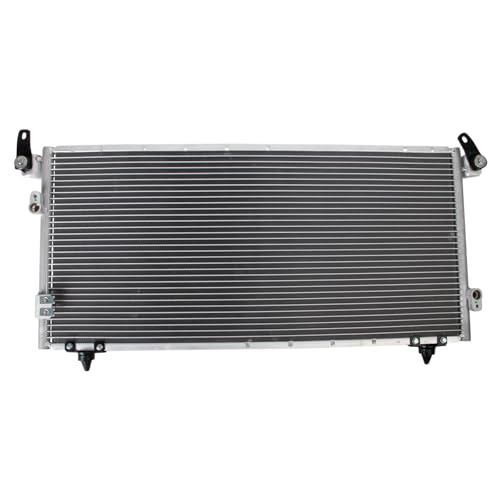
AC Condenser Maintenance: The Complete Homeowner Guide
Keep your outdoor condenser clean, efficient, and long-lasting with a practical maintenance routine you can follow in every season.
START THE GUIDEWhy condenser maintenance matters: The outdoor condenser is the part of your cooling system that releases heat into the air. When it is clogged with dirt, leaves, or grass clippings, it has to work harder to move heat out of your home. That extra effort shows up as higher energy use, weaker cooling, and more wear on the compressor — the most expensive component in the entire system. A simple, consistent maintenance routine protects that component and helps your system stay efficient for years.
What This Guide Covers
What the Condenser Does and Why Maintenance Matters
Your air conditioning system moves heat, not cold air. Inside the house, the evaporator coil absorbs heat from your indoor air. That heat travels through refrigerant lines to the outdoor condenser, where it is released into the outside air. The condenser coil, the condenser fan, and the compressor all work together to make that heat exchange happen efficiently.
When the condenser is clean and properly positioned, heat release happens quickly and the compressor runs shorter cycles. When the coil is blocked by dust, pollen, or yard debris, the refrigerant cannot shed heat properly. Pressure rises, the compressor runs longer, and the system may eventually struggle to cool at all. This is why condenser maintenance is one of the highest-value tasks a homeowner can do — it directly protects the most expensive parts of the system.
If you are already noticing weak cooling, review our guide on things to check when AC is not cooling before assuming the condenser is the only cause. Many cooling complaints trace back to blocked airflow or dirty coils — both of which condenser maintenance addresses.
Monthly Condenser Maintenance Tasks
These are the quick visual checks that take minutes but prevent most preventable problems. Perform them once a month during cooling season.
- Clear the perimeter. Remove leaves, grass clippings, mulch, and plant growth from around the unit. Keep at least two feet of clear space on all sides and above the top.
- Check the top grille. Confirm nothing is resting on top of the fan grille, including tools, tarps, or lawn furniture.
- Inspect the fins. Look at the condenser fins through the side grille. If they are packed with lint or fuzz, they need cleaning (see the coil cleaning section below).
- Look for standing water or ice. Water pooling near the base or ice on the refrigerant lines signals a problem that needs attention from a technician.
- Listen during operation. A healthy condenser fan produces steady airflow. Rattling, scraping, or grinding sounds indicate loose panels or worn bearings.
- Confirm the disconnect is secure. The electrical disconnect box near the unit should be closed and undamaged. Never open it while power is on.
Cleaning the Condenser Coils the Safe Way
Coil cleaning is the single most important part of condenser maintenance. Do it at the start of cooling season, and again mid-season if your home is near trees, a highway, or a construction site. Before any cleaning, switch the system off at the thermostat and pull the outdoor disconnect so the unit cannot start unexpectedly.
Step-by-step coil cleaning
- Power down completely. Turn off the thermostat, then remove the disconnect plug or switch the breaker off. Wait a few minutes before touching anything.
- Remove loose debris. Use a soft brush or a vacuum with a brush attachment to lift leaves and lint off the outer fins. Do not push debris deeper into the coil.
- Rinse from the inside out. If you can safely access the coil from inside the cabinet, rinse with a garden hose at low pressure from the inside toward the outside. This pushes dirt out rather than driving it in.
- Use a coil cleaner if needed. Apply a no-rinse condenser coil cleaner according to its label, let it dwell, then rinse thoroughly. Never mix cleaners or use household chemicals on the coil.
- Straighten bent fins. Use a fin comb to gently straighten crushed fins. Damaged fins reduce airflow and lower efficiency.
- Let it dry, then restore power. Allow the unit to dry fully before reinstalling panels and restoring power. Run the system and confirm normal airflow.
Fan, Motor, and Electrical Checks
The condenser fan pulls air across the coil. A weak or failing fan undermines everything else you do, so include it in your inspection routine.
- Spin the fan blade by hand (power off). It should turn freely with slight resistance from the motor. Grinding or stiffness points to failing bearings.
- Check blade balance. Look for cracks, chips, or missing balance weights. An unbalanced blade vibrates and shortens motor life.
- Inspect the motor mount. Loose mounts cause noise and vibration. Tighten only to the manufacturer's specification — over-tightening damages rubber isolators.
- Look at the contactor and capacitor (visual only). With power off, check for burnt smell, scorch marks, or bulging capacitors. Do not touch or test these components unless you are trained and the power is verified off.
- Check the wiring for rodent damage. Chewed insulation is common in outdoor cabinets. Any damaged wire requires a licensed technician.
If the compressor hums but the fan does not spin, the issue is often a failed capacitor — a repair that is straightforward for a technician but dangerous for a homeowner. For guidance on when to involve a professional, see our page on licensed HVAC contractors.
Seasonal Maintenance Calendar
Condenser maintenance is not a single event; it follows the seasons. This calendar keeps the workload small and consistent.
| Season | Key Tasks | Why It Matters |
|---|---|---|
| Spring | Full coil cleaning, fan inspection, clear winter debris, restore power after winter shutdown | Prepares the system for peak cooling season |
| Summer | Monthly perimeter clearing, mid-season coil rinse, listen for fan noise | Peak load period — efficiency matters most now |
| Fall | Final coil clean, remove leaves from cabinet, inspect for pest nests | Prevents debris from trapping moisture over winter |
| Winter | Cover the top (not the sides), check for ice, schedule professional tune-up | Protects the cabinet while keeping airflow paths clear |
If you want a broader maintenance framework that covers the indoor components as well, our tips and maintenance section covers filters, drain lines, and evaporator coil care.
When to Call a Professional
Some condenser tasks are safe for a careful homeowner; others require training, tools, and licensing. Call a licensed technician when you encounter any of the following:
- Refrigerant leaks, frost on the lines, or hissing sounds
- Compressor short cycling or failing to start
- Burnt smells, scorched wiring, or tripped breakers
- Fan motor failure or persistent grinding
- Significant fin damage or a coil that cannot be cleaned from outside
- Any task that requires opening the sealed refrigerant circuit
A professional tune-up typically includes refrigerant pressure checks, electrical testing, and a deep coil clean that goes beyond what homeowners can safely do. For context on how routine service supports long-term efficiency, see our guide on maintenance of HVAC systems.
Condenser Maintenance Tiers Compared
Maintenance approaches fall into three broad tiers. The right tier depends on your climate, the age of your system, and how hands-on you want to be. This comparison uses tier descriptors rather than numeric figures so it stays useful over time.
| Tier | What It Includes | Best For |
|---|---|---|
| Essential tier | Monthly perimeter clearing, seasonal coil rinse, visual fan checks | Homeowners in mild climates with newer systems |
| Balanced tier | All essential tasks plus professional spring tune-up and mid-season coil clean | Most households with central air in four-season climates |
| Top-tier | Full seasonal professional service, electrical diagnostics, refrigerant checks, and priority repairs | Older systems, high-use homes, and owners who want maximum longevity |
Each tier builds on the one before it. A balanced tier is a solid choice for most homes because it combines the DIY essentials with professional oversight at the two most important points of the year.
Frequently Asked Questions
How often should I clean my condenser coils?
Clean the coils at the start of cooling season and again mid-season if your home is near trees, a busy road, or construction. In dusty environments, a monthly rinse during peak season is reasonable.
Can I cover my condenser in winter?
You can cover the top to keep debris out, but never wrap the sides. Condensers need airflow even when idle, and trapped moisture causes rust and corrosion.
Is it safe to clean the condenser myself?
Yes, for basic tasks like clearing debris, rinsing coils at low pressure, and visual inspections — as long as power is off at the thermostat and disconnect. Electrical components, refrigerant, and the compressor should only be handled by a licensed technician.
Why does my condenser make a loud humming noise?
A loud hum often points to a failing capacitor, a struggling fan motor, or a loose panel. Turn the system off and call a technician to diagnose the cause before it becomes a compressor failure.
What are the signs the condenser needs professional service?
Frost on the refrigerant lines, hissing sounds, burnt smells, tripped breakers, or a compressor that short cycles are all signs to stop DIY work and call a licensed HVAC professional.
Seasonal Condenser Maintenance Checklist
- Clear at least two feet of space around the unit
- Rinse condenser coils at low pressure from inside out
- Straighten bent fins with a fin comb
- Check fan blade for cracks and free rotation (power off)
- Inspect wiring and contactor for scorch marks
- Confirm the disconnect is secure and undamaged
- Remove leaves and debris from the cabinet interior
- Schedule a professional tune-up before peak season
If your condenser maintenance routine uncovers symptoms that suggest a larger cooling problem, our guides on an air conditioner that runs but does not cool and an outside AC unit making loud noise can help you narrow down the cause before you call for service.