AC Cover for Winter: Complete Protection Guide for Your Unit
Discover how to protect your outdoor air conditioner during the cold season with the right winter cover, proper installation techniques, and essential maintenance practices that extend the lifespan of your equipment.
Why Winter Protection Matters: Your outdoor condenser unit is built to withstand weather, but prolonged exposure to snow, ice, and freezing rain can accelerate wear on internal components. A properly fitted AC cover for winter shields the unit while still allowing adequate ventilation — a balance that many homeowners get wrong. This guide explains what to look for, how to install a cover correctly, and which practices prevent moisture damage during the off-season.
What Is an AC Cover for Winter and Why Do You Need One?
An AC cover for winter is a protective barrier designed to shield your outdoor condenser unit during the months when cooling is not in use. Unlike a simple tarp, a purpose-built winter cover is engineered to resist moisture, block debris, and — crucially — allow air circulation to prevent condensation buildup inside the unit.
The outdoor condenser houses delicate components, including the compressor, condenser coils, fan motor, and electrical connections. When snow accumulates on top of the unit or ice forms around the coils, several problems can occur:
- Debris accumulation: Fallen leaves, twigs, and dirt settle into the fins and coils, reducing efficiency when the system restarts in spring.
- Moisture intrusion: Melting snow and freezing rain can seep into electrical components, causing corrosion or short circuits.
- Ice damage: Frozen precipitation can bend fan blades or crack coil fins.
- Pest nesting: Rodents and insects often seek shelter inside unprotected units during cold months.
A well-designed cover addresses all these risks without trapping moisture. If you want to understand the broader context of maintaining your system year-round, explore our guide on air conditioning fundamentals for a solid foundation.
Types of AC Covers for Winter: Which One Fits Your Setup?
Not all covers are the same. The right choice depends on your climate, the design of your outdoor unit, and whether you plan to run the system occasionally during winter (for example, if your AC also functions as a heat pump).
1. Full Mesh Covers
Mesh covers allow maximum airflow while blocking large debris like leaves and twigs. They are ideal for mild climates or for units that may be operated intermittently during winter. Because they breathe, they prevent condensation buildup — a critical factor in avoiding rust.
2. Waterproof Fabric Covers
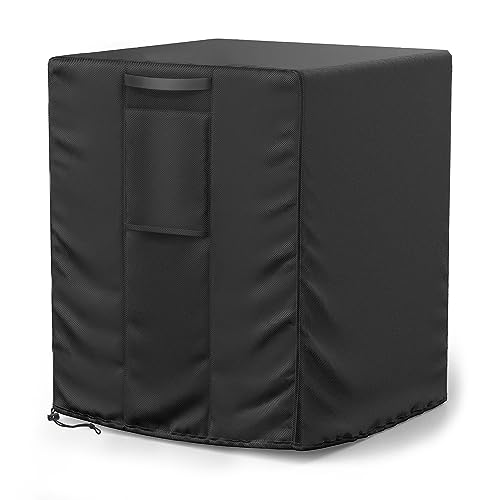
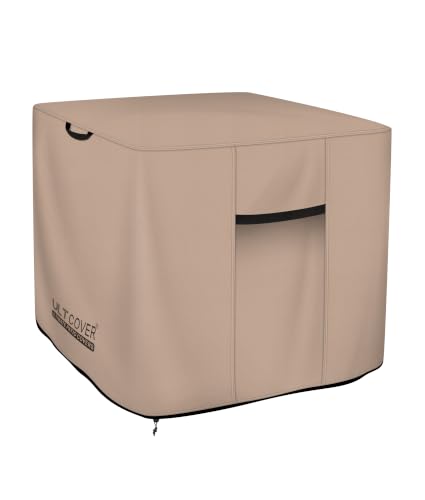
These covers use treated polyester or vinyl materials to repel rain and snow. Many feature adjustable straps or elastic hems for a snug fit. Look for breathable vents or mesh panels; a completely sealed cover can trap moisture and cause more harm than good.
3. Top-Only Covers
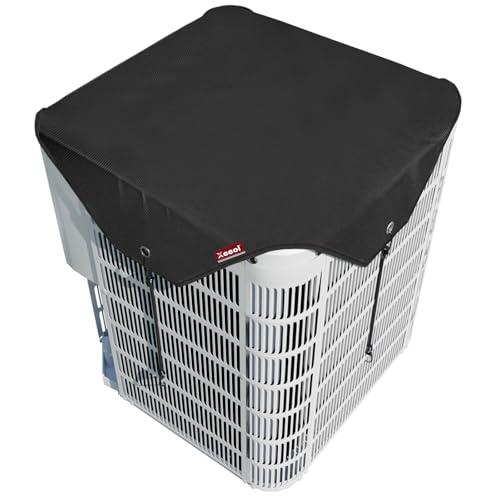
A top-only cover shields the fan grille and top panel from snow accumulation while leaving the sides open for ventilation. This is a popular option for homeowners who want protection without fully enclosing the unit. It is particularly useful if your unit sits under an eave where side exposure is minimal.
4. Hard-Shell Covers
Rigid covers made from heavy-duty plastic or metal offer the highest level of protection against impacts and heavy snow loads. They are typically used in regions with severe winters. However, they require careful installation to ensure they do not block airflow entirely.
Important: Never wrap your outdoor unit in plastic sheeting or a sealed tarp. This traps moisture inside, promotes rust, and can create a breeding ground for mold. Always choose a cover explicitly designed for HVAC winter protection.
Winter AC Cover Comparison: Materials and Best Use Cases
The table below summarizes the main cover types by material, protection level, and ideal application. Use it to match a cover to your climate and unit design.
| Cover Type | Material | Protection Level | Best For |
|---|---|---|---|
| Mesh Cover | Polyester mesh | Debris blocking, full airflow | Mild winters, intermittent use |
| Waterproof Fabric | Treated polyester / vinyl | Rain and snow resistance | Moderate winters, standard units |
| Top-Only Cover | Heavy-duty fabric or plastic | Snow load protection on top panel | Units under eaves, light snow |
| Hard-Shell Cover | Rigid plastic or metal | Maximum impact and snow protection | Severe winters, heavy snowfall |
Key Features to Look For in an AC Cover for Winter
When evaluating options, focus on construction quality and fit rather than brand names. A cover that does not fit properly can flap in the wind, causing abrasion to the unit's finish, or leave gaps that allow snow infiltration.
- Breathable fabric: Look for covers with mesh vents or breathable membrane panels. This is the single most important feature for preventing condensation.
- UV-resistant coating: Even in winter, sunlight can degrade low-grade fabrics. A UV-resistant outer layer extends the cover's usable life across multiple seasons.
- Adjustable straps or drawstrings: A snug fit prevents wind from lifting the cover and exposing the unit.
- Reinforced seams: Stress points at corners and edges should be double-stitched or reinforced with binding tape.
- Correct dimensions: Measure your unit's width, depth, and height before selecting a cover. A cover that is too large will sag and collect water; one that is too small will not fit over the fan grille.
For homeowners who also operate their system in winter — for instance, those using a heat pump configuration — ventilation becomes even more critical. Learn how these systems differ by reading about heat pumps versus air conditioners.
How to Install an AC Cover for Winter Correctly
Proper installation takes only a few minutes but determines whether the cover protects your unit or inadvertently damages it. Follow these steps:
- Turn off the power: Switch off the AC at the thermostat and the outdoor disconnect switch before beginning.
- Clean the unit first: Remove leaves and debris from the top and sides. A cover placed over a dirty unit traps moisture and grime against the coils. For cleaning guidance, see our article on cleaning condenser coils.
- Measure and select the cover: Confirm the cover dimensions exceed your unit's footprint by a few inches on each side for easy fitting.
- Position the cover: Place it over the top of the unit, ensuring the mesh or vent panels align with the side grilles. Do not block the fan opening if using a top-only design — the fan should remain covered, but side airflow must remain unobstructed.
- Secure the straps: Tighten all adjustable straps or drawstrings. The cover should not flap in the wind.
- Inspect periodically: Check the cover after storms to ensure it has not shifted or accumulated standing water.
If your unit is mounted through a wall rather than on a ground pad, the installation approach differs slightly. Review our guide on through-the-wall air conditioners for unit-specific considerations.
Winter Maintenance Checklist for Covered AC Units
A cover is only one part of winter preparation. Use this checklist to ensure your system emerges from the cold season in good condition:
- Remove the cover periodically (once a month) to check for moisture buildup or pest activity.
- Clear snow accumulation from around the base of the unit to prevent ice dams.
- Trim back vegetation that may come into contact with the cover.
- Check the cover for tears or worn seams before the first freeze.
- Schedule a professional inspection in early spring before restarting the system.
For a complete seasonal maintenance plan, refer to our seasonal AC checklist, which covers tasks for every season.
Common Mistakes to Avoid With Winter AC Covers
Even well-intentioned homeowners can make errors that reduce the effectiveness of a cover or damage the unit. Avoid these pitfalls:
- Using a plastic tarp: Plastic does not breathe and traps moisture, leading to rust and mold.
- Sealing the unit completely: Airflow is essential to prevent condensation. Always choose a breathable cover.
- Ignoring the cover during storms: A loose cover can abrade the unit's finish or tear. Secure it properly and check after severe weather.
- Covering a running unit: Never operate the AC with a cover in place unless the cover is explicitly designed for operating conditions (such as a mesh cover used with a heat pump).
- Skipping pre-cover cleaning: Debris left inside the unit combined with trapped moisture accelerates corrosion.
If you notice unusual noises or performance issues when restarting the system in spring, consult our AC noise troubleshooting guide before assuming the cover caused the problem.
When to Call an HVAC Professional
Winter cover installation is typically a do-it-yourself task. However, certain situations warrant professional attention:
- Your unit shows signs of existing damage, such as bent fins or a failing fan motor.
- You plan to install a hard-shell cover that requires mounting hardware on the unit or surrounding structure.
- You notice water pooling inside the unit after rain, even with a cover installed.
- Your system is a heat pump that operates year-round — a professional can advise on the best cover type and usage pattern.
Consult our guide on when to call an HVAC technician for a detailed list of warning signs that indicate professional help is needed.
Frequently Asked Questions About AC Covers for Winter
Should I cover my AC unit in winter?
Yes, if your unit sits outdoors and you live in a region with snow, ice, or heavy leaf fall. A breathable winter cover prevents debris from entering the unit and protects the top panel from snow accumulation. However, avoid airtight covers that trap moisture.
Can I use a tarp instead of an AC cover?
No. Plastic tarps do not allow ventilation and trap condensation inside the unit, which promotes rust and corrosion. Always use a cover designed for HVAC winter protection with breathable materials.
How often should I check the cover during winter?
Inspect the cover once a month and after major storms. Look for standing water, tears, or signs that the cover has shifted. Remove any snow that accumulates on top to prevent ice buildup.
Can I run my AC with the winter cover on?
Only if the cover is a mesh type explicitly designed for use during operation. Full fabric or hard-shell covers must be removed before running the system. Running with a sealed cover can cause overheating and compressor damage.
Do I need a cover if my unit is under an eave?
A top-only cover is often sufficient in this situation, as the eave provides side protection. However, blowing snow can still reach the unit, so a breathable full cover is a safer choice in windy climates.
Final Thoughts: Protect Your Investment This Winter
An AC cover for winter is a simple, low-effort investment that pays dividends in system longevity and performance. By choosing a breathable cover that fits properly, installing it correctly, and performing routine checks, you protect your outdoor unit from the most common winter threats: moisture, debris, ice, and pests.
Remember that a cover complements — rather than replaces — regular maintenance. Pair your winter protection strategy with a spring inspection and seasonal cleaning to keep your system running efficiently for years to come. For more guidance on maintaining your cooling equipment, explore our full library of AC maintenance resources.