AC Ductwork: The Complete Guide to Design, Sealing & Efficiency
Everything you need to know about air duct systems — duct types, sizing principles, sealing methods, insulation, and maintenance — so you can make confident decisions before upgrading or installing ductwork.
AC ductwork is the delivery network that carries conditioned air from your air handler to every room in your home. While the air conditioner itself draws most of the attention, the duct system is equally important. A well-designed and properly sealed duct network ensures that cooled air reaches living spaces efficiently, without losing energy along the way. A poorly designed or leaking duct system, on the other hand, can undermine even the most efficient cooling equipment.
This guide explains how ductwork works, the main duct types available, design and sizing principles, sealing and insulation best practices, and the maintenance habits that keep your air distribution system performing at its best. Whether you are building a new home, retrofitting an older property, or troubleshooting comfort issues, understanding ductwork will help you make informed choices.
Ductwork Basics: How Air Distribution Works
Air duct systems consist of a supply side and a return side. The supply ducts carry cooled air from the air handler to registers in each room, while the return ducts draw warm air back to the system for conditioning. Together, these two paths form a closed loop. When the loop is balanced and sealed, the air conditioner can maintain consistent temperatures with less effort.
Ductwork is typically routed through attics, crawlspaces, basements, or interior wall chases. Each location presents different challenges. Attic ducts, for example, are exposed to extreme heat, making insulation critical. Basement ducts may be easier to access but can be susceptible to moisture. Understanding these environmental factors helps determine the right duct material and insulation strategy.
Types of AC Ductwork
There are several duct materials and configurations used in residential and light commercial systems. Each has strengths and limitations depending on the installation environment, budget tier, and performance requirements.
| Duct Type | Best For | Tier |
|---|---|---|
| Rigid Galvanized Steel | New construction, long runs, high-efficiency systems | Premium |
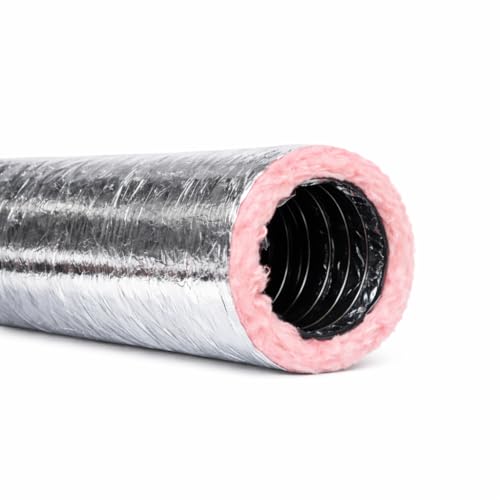
| Flexible Duct (Flex Duct) | Retrofits, tight spaces, short runs | Mid-range |
| Fiberglass Duct Board | Insulated interior runs, moderate climates | Mid-tier |
| Sheet Metal with External Insulation | Attics, unconditioned spaces | High-end tier |
| Fabric Duct (for commercial) | Open ceiling spaces, retail, restaurants | Professional-grade |
Rigid galvanized steel offers excellent airflow characteristics and durability, making it a long-term investment for new construction. Flexible duct is easier to install in retrofit situations and can navigate around obstacles, but it requires careful installation to avoid kinks that restrict airflow. Fiberglass duct board combines insulation and structure in one product, though its surface can be more susceptible to damage.
When planning a duct system, consider the layout of your home. Multi-story homes often benefit from zoned ductwork, while homes without existing ductwork may be better served by ductless options such as ductless systems for older homes or ductless vs ducted AC comparisons. For a broader look at installation, see the AC installation guide.
Duct Design & Sizing Principles
Proper duct design begins with a room-by-room load calculation. Each room has a specific cooling requirement based on its size, window area, insulation, and occupancy. The duct system must be sized to deliver the right amount of air to each space without creating excessive static pressure or noise.
Two common design approaches are the trunk-and-branch layout and the radial layout. Trunk-and-branch systems use a main trunk duct with smaller branches feeding individual rooms, which works well in larger homes. Radial systems run individual ducts from a central plenum to each register, simplifying balancing and reducing pressure losses in some configurations.
- Airflow velocity: Supply ducts are typically designed for velocities that balance efficiency and noise. Oversized ducts reduce velocity and noise but may increase material use; undersized ducts raise velocity, increasing noise and pressure drop.
- Equivalent length: Every fitting, bend, and transition adds resistance. Designers calculate equivalent length to ensure the blower can overcome total system resistance.
- Balancing dampers: Dampers allow airflow adjustment after installation so each room receives its intended share of conditioned air.
- Return air path: Every supply register needs a return path. Undersized returns cause pressure imbalances that pull unconditioned air into the home and reduce efficiency.
A professional duct design uses industry-recognized methods such as Manual D for duct sizing and Manual J for load calculation. These methods account for the specific characteristics of your home and climate, producing a system that performs predictably. If you are comparing whole-home options, the AC sizing for home guide provides a useful overview of load calculations.
Sealing & Insulation
Duct leakage is one of the most common sources of energy waste in homes. Conditioned air escaping through poorly sealed joints, connections, and register boots forces the system to work harder to maintain comfort. Sealing ductwork is a high-impact improvement that pays off over the life of the system.
Effective sealing starts with the joints that are most prone to leakage: duct-to-duct connections, plenum connections, register boots, and any penetrations through walls or ceilings. Mastic sealant and foil-backed tape are preferred over standard cloth duct tape, which degrades over time. For a deeper dive into air sealing across the whole system, see the AC leak seal guide.
Insulation is the second pillar of duct efficiency. Ducts routed through unconditioned spaces—attics, crawlspaces, garages—should be insulated to prevent thermal gain or loss. Insulation R-values should match the climate and duct location; colder climates and hotter attics require higher R-values. In many cases, combining sealing with insulation delivers the best results.
- Seal first, insulate second. Insulation cannot compensate for leaks; sealing must be completed before insulation is applied.
- Pay attention to register boots. The connection between the duct and the register boot is a frequent leak point that is often overlooked.
- Use proper support. Sagging flex duct creates low spots that collect condensation and reduce airflow; support the duct at recommended intervals.
- Protect the vapor barrier. In humid climates, a compromised vapor barrier can lead to condensation and moisture problems inside the duct system.
Efficiency & Comfort: What Good Ductwork Delivers
Well-designed ductwork delivers three core benefits: consistent temperatures, quiet operation, and lower energy use. When ducts are properly sized, sealed, and insulated, every room receives the airflow it needs, and the air conditioner cycles less frequently because conditioned air is not being lost along the way.
Comfort is not just about temperature. Air distribution affects humidity, air movement, and even noise. Rooms that feel stuffy or drafty often have duct-related issues rather than equipment problems. Balancing dampers, correct register placement, and adequate return air paths all contribute to a comfortable indoor environment.
| Duct Condition | Typical Effect | Priority Action |
|---|---|---|
| Leaky joints and connections | Lost cooling capacity, higher runtime | Seal with mastic or foil tape |
| Uninsulated ducts in attic | Thermal gain, uneven room temperatures | Add insulation to recommended R-value |
| Undersized return path | Pressure imbalance, whistling, reduced airflow | Add or enlarge return ducts |
| Kinked flexible duct | Restricted airflow, hot spots | Reroute or replace section |
| Disconnected duct section | Major air loss, comfort complaints | Reconnect and seal immediately |
If you are experiencing comfort issues such as rooms that never cool properly, the AC not cooling solution guide covers diagnostic steps that can help distinguish between equipment problems and duct problems. For homes with persistent airflow issues, an AC inspection by a qualified technician can identify duct-related causes.
Duct Maintenance & Cleaning
Ductwork requires less day-to-day attention than the air conditioner itself, but periodic maintenance keeps it performing well. The most important routine task is changing air filters regularly. A clean filter maintains proper airflow and prevents dust from accumulating inside the duct system. For a broader maintenance overview, see the AC maintenance guide.
Duct cleaning is recommended when there is visible debris, mold growth, pest activity, or after major renovations. Not every home needs frequent duct cleaning, but a visual inspection every few years helps identify problems early. Sealing and insulation should also be inspected periodically, especially after roofing work, pest control, or any construction activity that may have disturbed duct runs.
- Change filters regularly. Follow manufacturer recommendations based on filter type and household conditions.
- Inspect accessible ducts annually. Look for disconnected sections, sagging flex duct, and damaged insulation.
- Check register airflow seasonally. Weak airflow at one or more registers may indicate a duct problem upstream.
- Schedule professional duct cleaning when warranted. Use qualified technicians and confirm their methods before work begins.
For rooms with specific comfort requirements, such as home offices or bedrooms, targeted improvements to ductwork can make a noticeable difference. The home office AC guide and bedroom AC guide discuss room-specific considerations that complement ductwork upgrades.
Common Duct Problems & Troubleshooting
Many comfort complaints trace back to ductwork rather than the air conditioner. Recognizing the symptoms helps you decide whether a simple fix or a professional service call is appropriate.
- Uneven temperatures between rooms: Often caused by imbalanced airflow, leaky ducts, or incorrect register sizing. Balancing dampers and sealing leaks are common remedies.
- Whistling or rattling noises: Usually indicates undersized ducts, loose connections, or a restriction in the duct run. Inspect accessible sections and confirm the blower is operating correctly.
- Excess dust in the home: Leaky return ducts can draw dust from attics or crawlspaces into the living space. Sealing returns is a priority in these cases.
- High humidity indoors: Duct leaks in humid climates can introduce moist air into the system. Sealing and proper insulation help maintain indoor humidity control.
- Weak airflow at distant registers: Long duct runs and excessive fittings reduce airflow at the far end of the system. Duct design review or added dampers can help.
If duct problems are accompanied by equipment symptoms, the AC troubleshooting guide and AC repair guide provide structured diagnostic steps. In some cases, replacing aging ductwork is more sensible than repeated repairs; the replace vs repair guide offers a framework for that decision.
Frequently Asked Questions
How often should AC ductwork be cleaned?
Most homes benefit from duct cleaning every three to five years, but homes with pets, recent renovations, or allergy sufferers may need it more frequently. Visual inspection of the duct interior and regular filter changes remain the most reliable maintenance indicators.
What is the most efficient ductwork material?
Flexible duct is common for retrofits, but rigid galvanized steel with proper insulation typically delivers the best airflow and lowest leakage over the long term. The ideal choice depends on the installation environment, available space, and local building codes.
Can leaky ductwork increase energy consumption?
Yes. Leaky ducts can lose a significant portion of conditioned air before it reaches living spaces, forcing the system to run longer. Sealing joints, connections, and registers is one of the most effective ways to improve overall efficiency and comfort.
Should I insulate ducts in a conditioned space?
Ducts running entirely within conditioned spaces generally require less insulation, though light insulation can still reduce condensation and noise. Ducts in attics, crawlspaces, and garages should always be insulated to the appropriate R-value for the climate.
Can ductwork be repaired without replacing the entire system?
Yes. Many duct problems—leaks, disconnected sections, damaged insulation—can be repaired section by section. A professional inspection determines whether targeted repairs are sufficient or whether larger sections need replacement.
Final Thoughts
AC ductwork is a long-term investment in comfort and efficiency. Whether you are designing a new system, upgrading an older home, or troubleshooting uneven cooling, the principles remain the same: size the ducts correctly, seal every joint, insulate where needed, and maintain the system with regular filter changes and periodic inspections. These steps help your air conditioner deliver the performance it was designed for.
If you are still evaluating your overall cooling strategy, the AC shopping guide and home sizing guide provide useful context. For homes where ductwork is impractical, ductless options discussed in the older homes guide are worth considering.