AC Repair Guide: Fix Common Problems Before You Call a Technician
Understand what is wrong with your air conditioner, learn which repairs you can safely handle yourself, and know exactly when professional service is the right decision.
START TROUBLESHOOTINGWhy this guide exists: Most air conditioner problems fall into a small number of predictable categories. Knowing how to diagnose them helps you avoid unnecessary service visits, prevents small issues from becoming major failures, and gives you the confidence to ask the right questions when a technician is genuinely required.
How to Use This AC Repair Guide
Air conditioner repair is a process of elimination, not guesswork. Before opening any panel or calling a service company, work through the basic diagnostic sequence below. In a large share of cases, the underlying issue is something simple: a dirty filter, a tripped breaker, a thermostat setting, or a blocked drain line.
- Confirm the symptom precisely. Is the unit completely off, running but not cooling, cooling weakly, leaking water, or making unusual noise? Each symptom leads to a different repair path. Pages such as AC not cooling and AC making noise go deeper into individual cases.
- Check the basics first. Thermostat mode and setpoint, air filter condition, circuit breaker status, and the outdoor unit disconnect switch. These four checks resolve a surprising number of calls.
- Isolate indoor versus outdoor. Determine whether the indoor blower is running, whether the outdoor condenser fan is spinning, and whether the compressor is engaging. This narrows the fault to a specific subsystem.
- Decide repair versus professional service. Electrical work, refrigerant handling, and compressor replacement are regulated tasks. Filters, drain lines, and thermostat batteries are not.
Common AC Problems and What They Usually Mean
The symptom cards below map the most frequent homeowner complaints to their typical root causes. Use them as a starting point, then follow the linked deep-dive pages for the specific failure you are seeing.
AC Runs But Does Not Cool
Usually a clogged filter, low refrigerant charge, dirty condenser coils, or a thermostat that is not calling for cooling correctly.
Diagnose weak cooling →Outdoor Unit Not Running
A tripped breaker, failed capacitor, open disconnect switch, or a control board fault can all stop the condenser from starting.
Outdoor unit diagnosis →Weak or No Airflow
Restricted return vents, a failing blower motor, collapsed ductwork, or a frozen evaporator coil are the usual suspects.
Return vent and airflow →Water Leaking From the Unit
A blocked condensate drain, a cracked drain pan, or a frozen coil thawing rapidly are the leading causes of indoor water.
Stop the leak →Coils Freezing Over
Low airflow from a dirty filter or a refrigerant undercharge causes the evaporator coil to ice up and stop cooling.
Thaw and fix frozen coils →Thermostat Not Responding
Dead batteries, loose wiring at the control board, or a thermostat that has lost its programming are frequent culprits.
Thermostat troubleshooting →Repairs You Can Safely Do Yourself
These tasks require no refrigerant handling and no work inside energized electrical panels. They are the first line of defense and should be part of every homeowner's routine.
1. Clean or Replace the Air Filter
A clogged filter is the single most common cause of reduced cooling performance. It restricts airflow, forces the blower to work harder, and can freeze the evaporator coil. Depending on filter type and household conditions, clean or replace it every one to three months. A permanent washable filter should be rinsed and fully dried before reinstalling.
2. Clear the Condensate Drain Line
Algae and debris block the drain line over time, causing water to back up into the pan and eventually into the home. Locate the drain outlet, flush the line with a mixture of water and white vinegar, and confirm that water flows freely. If the line is badly clogged, a wet-dry vacuum applied to the outdoor end can pull the blockage out.
3. Reset the Circuit Breaker
A tripped breaker is normal after a power surge or an overload. Locate the breaker dedicated to the air handler and the one for the outdoor condenser, switch them fully off, then back on. If the breaker trips again immediately, stop and call a technician. Repeated tripping indicates a short or a failing component.
4. Replace Thermostat Batteries and Recheck Settings
Before assuming a thermostat is broken, replace its batteries and confirm the mode is set to COOL, the fan is set to AUTO, and the setpoint is below the current room temperature. Many "failed" thermostats are simply in the wrong mode or running on depleted batteries.
Safety boundary: Never open the outdoor electrical disconnect, never attempt to add refrigerant, and never bypass a safety switch. These tasks require specialized tools, licensing, and insurance. The repairs above are the safe limit for most homeowners.
When to Call a Professional HVAC Technician
Some failures are genuinely technical and should be handled by a licensed professional. Calling early prevents further damage and protects the warranty on your equipment.
- Refrigerant leaks or low charge. Adding refrigerant without locating and repairing the leak is both ineffective and regulated. A technician must recover, pressure-test, and recharge the system.
- Compressor failure. The compressor is the heart of the system. Replacement requires refrigerant recovery, brazing, and electrical verification.
- Electrical faults inside the unit. Failed capacitors, contactors, control boards, and wiring faults require a multimeter and safe isolation procedures.
- Repeated breaker tripping. A breaker that trips after reset signals a short circuit or an overloaded component. Stop using the system until it is inspected.
- Frozen coils that return after thawing. If the coil ices over again after a full thaw, the underlying cause is likely a refrigerant issue or a persistent airflow restriction.
- Noise from the compressor or a burning smell. Both indicate an urgent problem that should be diagnosed by a professional immediately.
If you need help locating a qualified company, resources such as AC repair near me and AC repair companies in my area can help you compare licensed providers in your region.
Repair or Replace? A Practical Decision Framework
When a major component fails, the question of repair versus replacement becomes unavoidable. The table below summarizes how to think about the decision using tier descriptors and system age rather than arbitrary figures.
| Scenario | System Age | Typical Recommendation | Best For |
|---|---|---|---|
| Minor fault (filter, drain, thermostat) | Any age | Repair immediately — essential-tier task | All homeowners |
| Failed capacitor or contactor | Under 10 years | Repair — mid-tier electrical component | Systems in otherwise good condition |
| Refrigerant leak | Under 10 years | Repair the leak and recharge | Recently installed systems |
| Refrigerant leak | Over 12 years | Weigh repair against replacement | Systems near end of service life |
| Compressor failure | Over 10 years | Strong case for replacement | Aging high-end tier systems |
| Multiple failures in one season | Over 10 years | Replace — long-term investment | Households planning to stay long term |
For a more detailed side-by-side analysis, the guide on replace or repair walks through the trade-offs in depth, including efficiency gains from modern equipment and the value of a fresh warranty.
Preventive Maintenance That Prevents Most Repairs
The majority of emergency service calls trace back to neglected routine maintenance. A modest seasonal routine dramatically reduces failure frequency and keeps the system operating at its rated efficiency.
Spring Checklist Before Cooling Season
- Replace or clean the air filter and note the replacement date.
- Clear debris, leaves, and pollen from around the outdoor condenser unit.
- Gently rinse the condenser coils from the inside out with a garden hose.
- Flush the condensate drain line with vinegar and confirm free flow.
- Test the thermostat in both heating and cooling modes.
- Schedule a professional inspection if the system is more than five years old.
Monthly Habits During Cooling Season
- Check the filter and replace it when visibly loaded with dust.
- Listen for new noises and note any change in cooling performance.
- Confirm the outdoor unit fan is spinning whenever the system is cooling.
- Watch for water pooling near the indoor unit or drain outlet.
A structured annual routine is covered in detail in the AC maintenance guide. For households that prefer professional oversight, an AC maintenance plan typically includes seasonal tune-ups and priority service.
A Brief Refresher: How the System Actually Works
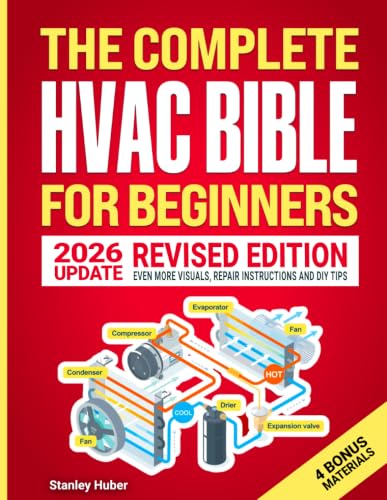
Repair decisions become far easier once you understand the four core components and what each one does. The evaporator coil indoors absorbs heat from the air. The compressor pressurizes refrigerant and moves it through the loop. The condenser coil outdoors releases the absorbed heat. The expansion valve regulates refrigerant flow between the two coils. The full sequence is explained in the AC refrigerant cycle overview.
When cooling fails, the fault almost always sits in one of four subsystems: airflow, refrigerant charge, electrical control, or the compressor itself. Identifying which subsystem is affected is the core skill in air conditioner troubleshooting. The broader AC troubleshooting hub organizes these paths systematically.
Frequently Asked Questions About AC Repair
Why is my air conditioner running but not cooling?
The most common causes are a clogged air filter, low refrigerant charge, dirty condenser coils, a faulty thermostat, or a failing compressor. Start with the simplest checks — filter and thermostat settings — before assuming a major component failure.
Can I repair my AC myself?
Basic tasks such as cleaning filters, clearing drain lines, resetting breakers, and replacing thermostat batteries are safe DIY work. Repairs involving refrigerant handling, electrical components, or compressor work should always be handled by a licensed HVAC technician.
How often should an AC system be serviced?
A professional maintenance visit once per year is recommended, ideally in spring before the cooling season begins. Homeowners should clean or replace filters every one to three months depending on usage and indoor air quality.
When should I replace my AC instead of repairing it?
Consider replacement when the unit is older than ten to fifteen years, when repair frequency is increasing, when the compressor fails, or when repair work exceeds half the value of a new system. A cost-benefit comparison with a qualified technician is the best guide.
What does it mean if my outdoor unit is not running?
Check the breaker, the outdoor disconnect switch, and the thermostat first. If those are fine, a failed capacitor or contactor is the most likely cause. The dedicated page on outdoor unit not running covers the full diagnostic sequence.
Why does my AC smell bad when it runs?
Musty odors usually indicate microbial growth on the evaporator coil or in the ductwork. A burning smell is more serious and may point to an electrical fault. Stop the system and call a technician if you detect a burning odor.
Final Takeaway
An air conditioner that is not cooling is not automatically a system that needs replacing. Most problems have a clear, diagnosable cause, and a structured approach saves both time and unnecessary service visits. Use this guide to identify the symptom, perform the safe checks, and then make an informed decision about whether the repair belongs in your hands or in those of a licensed professional.
If you are still narrowing down the fault, the AC not cooling solution guide and the AC troubleshooting hub are the best next reads. For scheduled servicing rather than emergency repair, the AC maintenance guide will help you build a routine that prevents most failures in the first place.