AC Unit Coils: The Heart of Your Cooling System
Everything you need to know about evaporator and condenser coils — how they work, why they matter, and how to keep them clean for maximum efficiency.
START LEARNINGWhy Coils Matter: Your air conditioner's coils are responsible for the actual heat exchange process. When they're clean and functioning properly, your system cools efficiently. When they're dirty or damaged, efficiency drops dramatically — and so does your comfort.
What Are AC Unit Coils?
AC unit coils are heat exchangers made of metal tubing (typically copper or aluminum) surrounded by thin metal fins. These fins increase the surface area for heat transfer, allowing the refrigerant inside the tubing to absorb or release heat efficiently.
Every air conditioning system has two primary coils working together in a continuous cycle:
- Evaporator Coil — Located indoors, this coil absorbs heat and moisture from your home's air. As warm air passes over the cold coil, the refrigerant inside evaporates, cooling the air that gets distributed throughout your home.
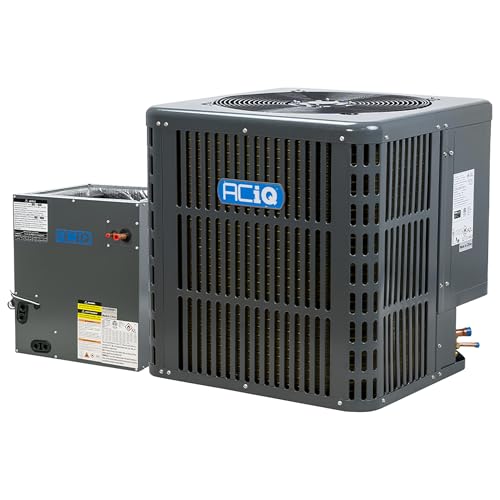
- Condenser Coil — Located in the outdoor unit, this coil releases the absorbed heat into the outside air. The refrigerant condenses back into a liquid state, ready to repeat the cycle.
Together, these coils form the foundation of the refrigerant cycle that makes air conditioning possible. Without properly functioning coils, your system simply cannot cool your home effectively.
The Evaporator Coil: Your Indoor Cooling Powerhouse
The evaporator coil is typically located inside the air handler or attached to the furnace. It's the component that actually cools your indoor air. When warm air from your home passes over the cold evaporator coil, heat is absorbed by the refrigerant, and cooled air is blown back into your living spaces.
Because the evaporator coil operates in a moist environment (condensation is a natural byproduct of cooling), it's particularly vulnerable to biological growth and dust accumulation. Regular maintenance of this coil is essential for maintaining indoor air quality and system efficiency.
If you notice your AC not cooling properly, a dirty evaporator coil is often the culprit. The coil may freeze up, restricting airflow and reducing cooling capacity. Learn more about the evaporator coil and its role in your system.
The Condenser Coil: Releasing Heat Outdoors
The condenser coil sits inside your outdoor unit and is responsible for releasing the heat that was absorbed indoors. It's exposed to the elements year-round, making it susceptible to dirt, debris, pollen, and even lawn clippings.
A dirty condenser coil forces your compressor to work harder to release heat, which increases energy consumption and can lead to premature component failure. Cleaning the condenser coil regularly is one of the most effective ways to extend the life of your system.
If your outside unit is not running, a clogged condenser coil could be a contributing factor. Understanding how the condenser coil works helps you diagnose problems faster.
Types of AC Coils by Design
AC coils come in several designs, each suited to different system configurations:
- A-Coil (Slab Coil) — Shaped like the letter "A," this is the most common evaporator coil design in residential systems. It provides a large surface area in a compact footprint.
- N-Coil — A variation of the A-coil with a different fin arrangement, often used in higher-efficiency systems.
- Z-Coil — Used in some packaged units and tight spaces, offering efficient heat transfer in a compact design.
- Microchannel Coils — An emerging design that uses flat tubes with small channels instead of round tubes. These are more resistant to corrosion and use less refrigerant.
The type of coil in your system depends on your specific equipment. When replacement is needed, matching the correct coil type is essential for proper performance.
Signs Your AC Coils Need Attention
Recognizing the warning signs of coil problems early can save you from major repairs later. Watch for these indicators:
- Reduced cooling performance — If your AC struggles to cool your home, dirty coils are a likely cause. The system may run continuously without reaching the set temperature.
- Frozen evaporator coil — Ice buildup on the indoor coil indicates restricted airflow or low refrigerant. Learn more about frozen coil solutions.
- Water leaks — A dirty evaporator coil can cause condensation to drip improperly. If you're experiencing AC leaking water, coil cleaning may help.
- Unusual odors — Musty smells often come from biological growth on the evaporator coil. Address AC smells promptly.
- Higher energy bills — Dirty coils reduce efficiency, forcing your system to consume more energy.
- Frequent cycling — Short cycling can indicate the system is struggling to transfer heat due to coil issues.
- Loud operation — A strained compressor due to dirty coils may produce unusual noises. If your AC is making noise, coil inspection is worthwhile.
How to Clean Evaporator Coils
Cleaning the evaporator coil is more involved than cleaning the condenser coil because it's located indoors and often requires accessing the air handler. Here's a general process:
- Turn off power — Always disconnect power to the indoor unit before beginning any maintenance.
- Access the coil — Remove the access panel or plenum to expose the evaporator coil. This may require removing screws and panels.
- Inspect for debris — Check for visible dirt, dust, and biological growth. A flashlight helps illuminate the fins.
- Apply coil cleaner — Use a no-rinse evaporator coil cleaner. Spray it evenly across the fins and let it work according to the product instructions.
- Rinse gently — If needed, use a spray bottle with water to rinse. Be careful not to bend the delicate fins.
- Check the drain pan — Clean the condensate drain pan and ensure the drain line is clear. This prevents water damage and biological growth.
- Reassemble and restore power — Replace panels and turn the power back on.
For detailed guidance on evaporator coil maintenance, including troubleshooting and replacement considerations, see our dedicated guide.
How to Clean Condenser Coils
Condenser coil cleaning is more straightforward and can often be done without professional help. Follow these steps:
- Turn off power — Disconnect power to the outdoor unit at the breaker or service disconnect.
- Remove debris — Clear away leaves, grass clippings, and dirt from around the unit. Ensure at least two feet of clearance on all sides.
- Straighten fins — Use a fin comb to straighten bent fins. Bent fins restrict airflow and reduce efficiency.
- Apply coil cleaner — Spray a condenser coil cleaner onto the fins. Let it sit for the recommended time.
- Rinse thoroughly — Use a garden hose with moderate pressure to rinse the cleaner and dirt away. Avoid high-pressure spray, which can damage the fins.
- Clean the fan blades — Wipe down the fan blades to improve airflow.
- Restore power — Turn the power back on and test the system.
Regular cleaning of your evaporator and condenser coils is a key part of any AC maintenance routine.
Coil Materials: Copper vs Aluminum
The two most common materials for AC coils are copper and aluminum. Each has distinct characteristics:
- Copper coils — Excellent heat transfer, durable, and resistant to corrosion. Copper coils are often found in premium systems and are easier to repair if damaged.
- Aluminum coils — Lighter and more resistant to certain types of corrosion, but less efficient at heat transfer. Aluminum coils are common in modern systems and can be more susceptible to formicary corrosion in certain environments.
Some systems use a combination of copper tubing with aluminum fins for an optimal balance of performance and durability. When evaluating coil quality, consider the construction and coating — some coils have protective coatings that extend lifespan.
Protective Coatings for AC Coils
Manufacturers offer various protective coatings to extend coil life, especially in coastal or industrial environments where corrosion is a concern:
- GoldFin coating — A factory-applied coating that protects against corrosion from salt, sulfur, and other corrosive agents.
- Heresite coating — A phenolic coating that provides excellent corrosion resistance, commonly used in harsh environments.
- E-coating — An electrodeposition coating that offers uniform coverage and good corrosion protection.
If you live near the coast or in an area with high humidity, a coated coil may be a worthwhile investment for long-term durability. These coils are typically classified as mid-tier to high-end tier in terms of construction quality.
When to Replace AC Coils
Coils don't last forever. Over time, they can develop leaks, become severely corroded, or sustain damage that makes repair impractical. Consider replacement when:
- The coil has developed multiple leaks that cannot be reliably repaired.
- Corrosion has weakened the coil structure significantly.
- The coil is frozen repeatedly despite proper maintenance and refrigerant charge.
- The system is older and the coil is no longer under warranty.
- You're upgrading to a more efficient system and the existing coil is incompatible.
Before replacing a coil, compare the repair vs replacement decision. In some cases, replacing the entire system or outdoor unit may be more practical than replacing just the coil.
Recommended Coil Maintenance Schedule
Consistent maintenance is the key to long coil life. Here's a general schedule to follow:
- Monthly — Check and replace air filters to maintain proper airflow across the evaporator coil.
- Every 3-6 months — Inspect and clean the condenser coil. Remove debris from around the outdoor unit.
- Annually — Have a professional inspect and clean the evaporator coil. Check refrigerant levels and overall system performance.
- Annually — Clean the condensate drain pan and line to prevent biological growth and water damage.
Following a consistent maintenance schedule helps prevent costly repairs and keeps your system running efficiently.
DIY Coil Cleaning vs Professional Service
Condenser coil cleaning is generally safe for homeowners to perform with basic tools and care. Evaporator coil cleaning is more involved and may require a technician, especially if the coil is difficult to access or the system uses a sealed design.
Signs you should call a professional for coil service include:
- The coil is difficult to reach or requires disassembling components.
- You suspect refrigerant leaks or need refrigerant added.
- The coil is severely clogged or has biological growth that requires specialized treatment.
- You're uncomfortable working around electrical components.
A qualified AC service technician can safely clean coils, check refrigerant levels, and identify issues before they become major problems.
Common Coil Problems and Solutions
- Dirty coils — Reduced efficiency and cooling capacity. Solution: regular cleaning.
- Frozen evaporator coil — Restricted airflow or low refrigerant. Solution: check filters, inspect for leaks, call a technician.
- Refrigerant leaks — Coil tubing develops pinhole leaks. Solution: leak detection and repair or coil replacement.
- Bent fins — Restrict airflow. Solution: straighten with a fin comb.
- Corrosion — Weakens the coil and can lead to leaks. Solution: replace coil if corrosion is severe; consider coated coils for new installations.
- Biological growth — Musty odors and reduced airflow. Solution: clean and sanitize the coil; improve drainage.
How Coils Impact System Efficiency
Coil condition directly affects your system's energy efficiency and overall performance. A clean, well-maintained coil allows for optimal heat transfer, reducing the workload on the compressor and lowering energy consumption.
When coils are dirty or damaged, the system must run longer to achieve the desired temperature. This not only increases energy usage but also accelerates wear on other components like the compressor and fan motor.
Regular coil maintenance is one of the most effective ways to maintain your system's efficiency rating and extend its lifespan.
Frequently Asked Questions About AC Coils
How do I know if my AC coils are dirty?
Common signs include reduced cooling, higher energy bills, frozen coils, water leaks, and musty odors. Visual inspection of the coils can reveal dirt and debris buildup.
Can I clean AC coils myself?
Condenser coils can often be cleaned by homeowners using a garden hose and coil cleaner. Evaporator coils may require professional service, especially if access is difficult.
How often should AC coils be cleaned?
Condenser coils should be cleaned every three to six months. Evaporator coils should be inspected annually and cleaned as needed.
What happens if I don't clean my AC coils?
Dirty coils reduce efficiency, increase energy consumption, and can lead to compressor failure. Over time, neglected coils can cause major system damage.
Can a dirty coil cause my AC to freeze?
Yes. Restricted airflow from a dirty evaporator coil can cause the coil to freeze, reducing cooling capacity and potentially damaging the system.
How long do AC coils last?
With proper maintenance, AC coils can last 10-15 years or more. Corrosion, leaks, and poor maintenance can shorten their lifespan.
Keeping Your Coils in Top Shape
Your AC unit coils are the heart of your cooling system. Understanding how they work, recognizing problems early, and maintaining them regularly will keep your system running efficiently for years to come. Whether you choose to clean the condenser coil yourself or call a professional for evaporator coil service, prioritizing coil maintenance is one of the best investments you can make in your home comfort.
For more guidance on maintaining your entire system, explore our AC maintenance guide and troubleshooting resources.