AC Evaporator: What It Is, How It Works, and How to Maintain It
The AC evaporator is the indoor coil that absorbs heat and moisture from your home's air. When it works well, you feel cool, dry, comfortable air. When it doesn't, your system loses efficiency, freezes up, or leaks water. This guide explains the evaporator in plain language and shows you how to keep it working properly.
How the Evaporator WorksQuick context: Your air conditioner has two main coils — the evaporator indoors and the condenser outdoors. The evaporator is where cooling actually happens. Warm air from your rooms is pulled across the cold evaporator coil, heat is absorbed, and cooled air is pushed back into the house. Moisture from the air condenses on the coil and drains away. Understanding this coil explains most common cooling problems.
What Is an AC Evaporator Coil?
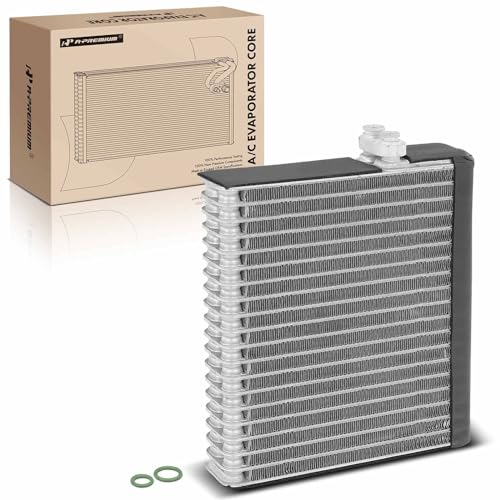
The evaporator coil is a network of copper or aluminum tubes with thin metal fins. It sits inside the indoor air handler or above the furnace in a central system, or behind the front grille in a window or mini-split unit. Refrigerant flows through the tubes, and as it evaporates from liquid to gas, it absorbs heat from the surrounding air.
- Indoor location — mounted in the air handler, above the furnace, or inside the indoor unit of a mini-split.
- Cold surface — the coil surface is well below the dew point of room air, which is why condensation forms on it.
- Heat exchange — the fins maximize surface area so air passing through gives up as much heat as possible.
- Drain pan — condensation drips into a pan and exits through a drain line.
- Filter protection — a filter sits upstream of the coil to keep dust and debris from clogging the fins.
Together with the outdoor condenser and the compressor, the evaporator is one of the three core components of the vapor-compression cycle. For a full explanation, see our overview of the AC refrigerant cycle.
How the Evaporator Cools Your Home
Here is the sequence in plain terms:
- Step 1 — Warm air enters. The blower pulls warm room air through the return duct and into the air handler.
- Step 2 — Air passes through the filter. Dust and debris are trapped before reaching the coil.
- Step 3 — Refrigerant absorbs heat. Inside the coil, low-pressure refrigerant is colder than the incoming air. Heat transfers from the air into the refrigerant.
- Step 4 — Moisture condenses. Water vapor in the air turns to liquid on the cold coil fins and drips into the drain pan.
- Step 5 — Cooled air exits. The blower pushes the cooled, dehumidified air through the supply ducts into the rooms.
- Step 6 — Refrigerant returns. The warmed refrigerant travels to the outdoor compressor and condenser, where it releases heat and cycles back to the evaporator.
This cycle repeats continuously while the system runs. If any step breaks down — a clogged filter, low refrigerant charge, or blocked drain — the cooling process degrades. That is why our things to check when AC is not cooling checklist starts with the evaporator-side basics.
Common Evaporator Problems and Their Signs
Frozen Coil
Ice forms on the coil when airflow is restricted or refrigerant is low. Symptoms: little or no cooling, ice visible behind the filter, or water pooling after the ice melts. See our AC frozen coils solutions guide for immediate steps.
Dirty Coil
A dust-coated coil cannot absorb heat effectively. Symptoms: reduced cooling, higher indoor humidity, and a musty smell. Cleaning the coil usually restores performance.
Clogged Drain
Algae and debris can block the condensate drain, causing water to overflow from the pan. Symptoms: water stains near the air handler, a dripping sound, or a safety switch shutting the unit off. See our AC leaking water solutions guide.
Refrigerant Leak
A leak reduces the refrigerant charge and lowers coil pressure, causing poor cooling and freezing. This requires a licensed technician to locate and repair. See our guide on recharging Freon in an air conditioner for context on refrigerant handling.
Mold or Odor
Moisture plus dust can support mold growth on the coil and drain pan. Symptoms: a musty smell when the system starts. Cleaning and proper drainage usually resolve it.
Damaged Fins
Bent fins reduce airflow and heat exchange. They can be straightened with a fin comb during a professional service visit.
For central systems, some evaporator-related symptoms show up as a house that isn't cooling. See our guide on AC blowing air but not cooling the house to work through the diagnosis step by step.
How to Clean an AC Evaporator Coil
Basic cleaning is within reach for many homeowners. Deep cleaning and coil replacement should be handled by a licensed technician.
Tools You Will Need
A soft-bristle brush, a no-rinse coil cleaner (or a mild dish soap solution), a spray bottle, a wet/dry vacuum with a soft brush attachment, and a drop cloth to protect the floor.
Step 1 — Power Off
Turn off the AC at the thermostat and disconnect power at the breaker. Never clean an energized coil.
Step 2 — Access the Coil
Remove the air handler panel or the mini-split front cover following the manufacturer's instructions. Keep screws in a cup so they don't get lost.
Step 3 — Brush Loose Debris
Gently brush the fins in the direction of the fins, not across them, to loosen dust and pet hair without bending them.
Step 4 — Apply Cleaner
Spray a no-rinse coil cleaner evenly across the fins. Let it sit for the time specified on the label, then rinse gently with water from a spray bottle if recommended.
Step 5 — Vacuum and Dry
Use a wet/dry vacuum with a soft brush to remove loosened debris and residual water. Let the coil dry before reinstalling panels.
Step 6 — Check the Drain
Pour a cup of water into the drain pan to confirm it flows freely. If it backs up, clear the drain line or call a technician.
Step 7 — Replace the Filter
Install a clean filter before restarting. A clogged filter re-dirties the coil quickly. See our AC maintenance guide for filter schedules.
If you are not comfortable opening the air handler, a professional cleaning is a good option. It typically covers the coil, drain pan, blower, and drain line, and is usually part of a seasonal AC tune-up.
Prevention: Keeping the Coil Healthy Year-Round
- Change the filter regularly — every 1–3 months for most homes, more often with pets or high dust. This is the single most effective way to protect the coil.
- Schedule annual service — a technician cleans the coil, checks refrigerant charge, and verifies airflow each year. See our AC maintenance plan overview for what to expect.
- Keep the drain clear — flush the drain line with water or a mild algae treatment at the start of each cooling season.
- Fix airflow issues early — closed vents, crushed ducts, or a dirty blower reduce airflow and cause coil freezing.
- Watch for symptoms — reduced cooling, higher humidity, ice, or unusual smells are early signals. Our AC not blowing cold air guide walks through the first checks.
- Do not block return air — furniture or rugs over return grilles starve the coil of airflow and cause freezing.
When the Evaporator Coil Needs to Be Replaced
Evaporator coils typically last as long as the system, but they can fail early due to corrosion or repeated leaks. Signs a replacement is needed include:
- Repeat refrigerant leaks — the coil develops new leaks soon after a previous repair.
- Visible corrosion — heavy rust or pitting on the copper tubing or aluminum fins.
- Significant fin damage — large areas of flattened or missing fins reduce heat exchange beyond repair.
- Age — if the coil is over 12–15 years old and the system is approaching end of life, replacing the entire system often makes more sense than replacing just the coil.
Always match the replacement coil to the outdoor unit. A mismatched coil reduces efficiency, can void the warranty, and may prevent the system from delivering its rated performance. If you are weighing repair versus replacement, our HVAC replacement overview covers the decision factors.
Frequently Asked Questions
What does an AC evaporator do?
The evaporator coil absorbs heat and moisture from your home's air as refrigerant flows through it. It is where cooling actually happens inside the house. The cooled air is then blown back into the rooms through the ducts.
Why does the evaporator coil freeze?
Freezing usually happens when airflow is restricted (dirty filter, blocked vents, or dirty blower) or when refrigerant is low due to a leak. Both reduce coil temperature below the freezing point of water. Fix the underlying cause rather than simply defrosting the coil.
How often should the evaporator coil be cleaned?
Clean or inspect the coil at least once per year as part of an annual tune-up. Homes with pets, high dust, or heavy runtime may need cleaning twice per year. Regular filter changes reduce how often the coil needs cleaning.
Can I clean the evaporator coil myself?
Basic surface cleaning is within reach for many homeowners with the right tools and precautions. Deep cleaning, coil removal, and refrigerant work require a licensed technician. If you are not comfortable opening the air handler, hire a professional.
Why is water leaking from my AC?
Most leaks trace back to a clogged condensate drain, a cracked drain pan, or a frozen coil that is thawing. Check the drain first, then the coil. Our AC leaking water solutions guide covers the step-by-step diagnosis.
How long does an evaporator coil last?
Typically as long as the system — often 12–20 years. Corrosion, repeated leaks, or chronic airflow problems can shorten coil life. In coastal areas with salt air, coils may corrode faster and need earlier replacement.
What are the symptoms of a bad evaporator coil?
Reduced cooling, higher indoor humidity, ice on the coil, water leaks, musty smells, and frequent refrigerant loss. If several of these symptoms appear together, have a technician inspect the coil.
Can a dirty evaporator coil cause health problems?
A dirty coil can support mold and bacteria growth, and it reduces the system's ability to remove humidity. For people with allergies or respiratory sensitivities, keeping the coil clean and the filter fresh is especially important. Our air purifier guide covers complementary indoor air quality options.
Protect Your Coil With the Right System
Review the recommended air conditioners and evaporator-related parts below to keep your system running efficiently.
View RecommendationsRelated Guides
- AC refrigerant cycle — how the evaporator fits into the full cooling loop.
- AC frozen coils solutions — diagnose and fix a frozen evaporator.
- AC leaking water solutions — drain and pan troubleshooting.
- Things to check when AC is not cooling — first-step diagnostics.
- AC not blowing cold air — common causes of weak cooling.
- AC blowing air but not cooling the house — full-system diagnosis.
- Recharging Freon in an air conditioner — refrigerant handling context.
- AC maintenance guide — seasonal care for coils and filters.
- AC maintenance plan — service agreements explained.
- AC tune-up — what a professional service visit includes.
- HVAC replacement — when to replace the coil or the system.
- Air purifier — complementary indoor air quality options.
- Central AC problems not cooling — system-level cooling troubleshooting.
- Central AC leaking water inside the house — indoor water issue diagnosis.