
AC Unit Is Running But Fan Is Not: Causes and Fixes
Your air conditioner powers on, the compressor hums, yet no air moves through the vents or the outdoor fan stays still. This guide explains why the fan stops, how to diagnose each scenario safely, and when to call a professional.
What This Guide Covers
Why an AC Unit Can Run Without the Fan Moving
An air conditioner is not a single motor. It is a system of separate components that switch on in sequence: the thermostat sends a call, the indoor blower starts, the outdoor condenser fan and compressor kick in, and refrigerant circulates to move heat outside. When the unit appears to be "running" but no fan moves, one part of that sequence has failed while another part still receives power.
In most homes, the compressor and the fan are on separate circuits inside the same outdoor cabinet. That is why you can hear the compressor humming while the fan blade stays motionless. The same logic applies indoors: the thermostat may be calling for cooling, the outdoor unit may run, but the blower motor may fail to spin, leaving the house with no airflow at the vents.
Understanding which fan is stopped narrows the diagnosis quickly. A stopped outdoor fan points to the condenser fan motor, its capacitor, or its power supply. A stopped indoor fan points to the blower motor, the blower capacitor, the control board, or the thermostat fan setting. If your system is on but the house is not cooling, the guide on AC on but house not cooling covers the broader symptom pattern.
Indoor Blower vs Outdoor Condenser Fan: Two Different Problems
Homeowners often use the word "fan" for both the indoor blower and the outdoor condenser fan. They serve different purposes and fail for different reasons. Separating them is the first step toward an accurate diagnosis.
| Feature | Indoor Blower Fan | Outdoor Condenser Fan |
|---|---|---|
| Location | Inside the air handler, furnace cabinet, or ceiling cassette | On top of the outdoor condenser unit |
| Job | Pushes cooled air through ducts into rooms | Pulls outside air across the condenser coil to release heat |
| Symptom when stopped | No airflow at supply vents, house stays warm, coil may freeze | Compressor hums but no air blows from the top, system overheats and trips |
| Common failure parts | Blower motor, blower capacitor, control board, belt (older units) | Fan motor, run capacitor, fan blade obstruction, contactor |
| Typical repair tier | Mid-tier to high-end tier depending on motor type | Essential tier to mid-tier for capacitor; mid-tier for motor |
If you are unsure which fan is silent, stand near the outdoor unit for a minute. A functioning condenser fan pushes a steady stream of warm air upward. Then check a supply vent inside. If air is weak or absent indoors while the outdoor fan moves normally, the indoor blower circuit needs attention. Related patterns are covered in AC unit running but not blowing cold air and AC unit fan turns on but no cold air.
Common Causes and What Each Symptom Tells You
Below are the most frequent reasons an AC fan stops while the rest of the system remains powered. Each cause lists the symptom pattern so you can compare it with what you observe at home.
1. Failed Run Capacitor (Most Common)
The run capacitor gives the fan motor the initial jolt of energy it needs to start rotating. When it weakens or fails, the motor may hum quietly but never spin. This is the single most common cause of both indoor and outdoor fan failure. A technician can test capacitance in minutes and replace the part during a single visit. A weak capacitor often precedes a full motor failure, so addressing it early is a worthwhile investment.
2. Faulty Fan Motor
If the capacitor tests good and power reaches the motor but the shaft does not turn, the motor itself has likely failed. Bearings seize, windings burn out, or the motor overheats and shuts down on thermal protection. Outdoor fan motors face weather exposure and tend to fail sooner than indoor blower motors. Replacing a condenser fan motor is a mid-tier repair; blower motor replacement sits in the mid-tier to high-end tier depending on motor design and accessibility.
3. Tripped Breaker or Blown Fuse
A dedicated breaker or fuse may protect the fan circuit separately from the compressor circuit. When only the fan circuit trips, the compressor can still run, producing the "running but no fan" symptom. Check the breaker panel for a tripped switch and reset it once. If it trips again immediately, stop and call a technician — repeated tripping signals a short or a failing motor.
4. Thermostat Set to FAN ON Instead of AUTO
This is not a failure at all. When the thermostat fan setting is ON, the blower runs continuously regardless of cooling demand. Some homeowners mistake this for a problem when the system is simply in continuous fan mode. Set the fan to AUTO and see whether the blower cycles with the cooling call. If the blower then stops entirely during a call for cool, the issue is real.
5. Blocked or Seized Fan Blade
Debris, nesting material, ice buildup, or a bent blade can physically stop the fan from turning. Turn off power at the breaker, then inspect the outdoor fan blade for obstructions. Do not force a stuck blade by hand while power is on. Indoor blower wheels can also collect heavy dust and bind against the housing.
6. Control Board or Relay Failure
The control board sends voltage to the fan relay when cooling is requested. A failed relay or board trace can leave the fan without power even though the compressor circuit works. This is a diagnostic-heavy repair that requires a multimeter and wiring knowledge. Boards are typically high-end tier components.
7. Clogged Air Filter and Frozen Coil
A severely clogged filter restricts airflow, which can cause the evaporator coil to freeze. Ice can block the blower wheel or trigger a safety shutdown. If you notice ice on the indoor coil or refrigerant lines, switch the system off, replace the filter, and let the ice melt before restarting. Filter maintenance is covered in the AC unit filter guide.
8. Loose Wiring or a Burned Contactor
Vibration and heat can loosen wire connections at the fan motor, capacitor, or contactor. A pitted contactor may fail to close the fan circuit while the compressor circuit remains energized. Inspecting wiring requires the power off at the disconnect; a professional should handle any repair inside the electrical compartment.
Safe Checks You Can Do Yourself
These steps require no tools beyond a filter and access to your breaker panel. They resolve a surprising share of "fan not working" calls and, at minimum, help you describe the problem accurately to a technician.
- Verify the thermostat setting. Set the mode to COOL and the fan to AUTO. Raise the setpoint a few degrees, wait, then lower it again to trigger a fresh call for cooling. If the fan starts on a fresh call, the earlier state may have been a mode misunderstanding.
- Check the air filter. A clogged filter chokes airflow and can cause the blower to overheat or the coil to freeze. Replace or clean it if it looks gray and matted.
- Reset the breaker once. Locate the dedicated breaker for the indoor air handler and the outdoor condenser. If either is tripped, reset it once and observe. Do not reset repeatedly.
- Inspect the outdoor fan blade visually. From outside the cabinet, confirm the blade is not blocked by debris, a bent guard, or ice. Do not reach inside.
- Check for ice on the indoor coil or refrigerant lines. If ice is present, turn the system off at the thermostat, let it melt fully, then restart after replacing the filter.
- Listen for the hum pattern. A soft hum with no spin points to a capacitor or motor. A click followed by silence may indicate a control or contactor issue. Note what you hear.
If these checks do not restore fan operation, the next step is a professional diagnosis. The symptom pattern you observed will help the technician bring the right parts on the first visit. If the outdoor fan is the silent one, the related guide on AC not blowing cold air and outside fan not running walks through the condenser-side logic in more detail.
Repair Tiers and What to Expect From Each Service Level
Repair scope varies widely depending on which component failed. The table below organizes common repairs into tiers so you can set expectations before a technician arrives. These are qualitative tiers, not figures.
| Service Tier | Typical Scope | Best For |
|---|---|---|
| Essential tier | Diagnostic visit, capacitor test and replacement, filter replacement, thermostat reconfiguration | Homeowners whose fan stopped suddenly with no other symptoms |
| Mid-tier | Fan motor replacement, contactor replacement, wiring repair, blower wheel cleaning | Units where the capacitor is healthy but the motor or switch has failed |
| High-end tier | Control board replacement, variable-speed blower module service, complex electrical diagnosis | Modern systems with communicating controls or variable-speed motors |
| Professional-grade | Full air handler service, duct static pressure correction, system airflow balancing | Homes with recurring fan failures or chronic airflow problems |
An entry-level service call that ends with a capacitor replacement is usually resolved in a single visit. A mid-range motor replacement may require a return trip if the exact motor is not stocked on the truck. High-end tier board repairs often depend on parts availability. Ask the technician to confirm the tier and scope before work begins so there are no surprises. For broader repair context, see AC air conditioner repair.
When to Call an HVAC Technician
Call a professional immediately if any of the following apply:
- You smell burning or see scorch marks near the air handler or outdoor disconnect.
- The breaker trips again right after you reset it.
- You hear loud grinding, scraping, or repeated clicking from the fan area.
- The fan blade is visibly damaged or the motor shaft wobbles.
- You are uncomfortable working near electrical components or cannot verify power is off.
- The system is under warranty and you want to preserve coverage — many warranties require licensed service for repairs.
A technician will test the capacitor, measure voltage at the motor, check the contactor and control board, and confirm whether the motor needs replacement. If the motor is failing, ask whether a comparable replacement is available in the same tier, and confirm the warranty terms on the new part. The AC warranty guide explains how parts and labor coverage typically differ.
If the compressor itself is suspect because the unit hums loudly and trips, the related article on compressor running but fan not working covers the compressor-side diagnosis, and AC electrical problems covers breaker and wiring faults in more depth.
Restore Airflow Before the Heat Builds
A stopped fan left running can damage the compressor and freeze the indoor coil. If your checks did not bring the fan back, schedule a diagnostic visit and describe whether the indoor blower or the outdoor fan is silent.
Find HVAC Contractors Near YouFrequently Asked Questions
Why is my AC running but the fan is not spinning?
The most common causes are a failed run capacitor, a faulty fan motor, a tripped breaker, a blocked fan blade, or a thermostat set to FAN ON instead of AUTO. If the compressor hums but the fan stays still, the capacitor or motor is usually the first suspect.
Is it safe to run my AC if the outside fan is not working?
No. Running the system with a stopped condenser fan can cause the compressor to overheat and trip on internal overload or fail permanently. Turn the unit off at the thermostat and breaker until the fan issue is resolved.
Can a bad capacitor stop the AC fan from working?
Yes. A weak or failed run capacitor is one of the most frequent reasons a condenser or blower fan will not start. The motor may hum softly but never spin. A technician can test and replace the capacitor in a short service visit.
How do I know if the indoor blower fan or outdoor fan is the problem?
Check airflow at the supply vents. If you feel little or no air indoors while the outdoor unit runs, the indoor blower is the likely culprit. If indoor airflow is normal but the outdoor fan is still, the condenser fan circuit is at fault.
When should I call an HVAC technician instead of troubleshooting myself?
Call a professional if you are not comfortable working near electrical components, if the breaker keeps tripping, if you smell burning, or if the fan still will not start after basic checks like the thermostat setting, filter condition, and power supply. Capacitor and motor replacement require electrical safety knowledge.
For related airflow and cooling complaints, the guides on AC unit fan spinning but no cold air and AC not cooling solutions cover the next layer of diagnosis once the fan is confirmed to be running.
Recommended Air Conditioners for Reliable Fan Performance
⚠️ AFFILIATE DISCLOSURE: This website contains affiliate links. As an Amazon Associate, we earn from qualifying purchases. If you make a purchase through these links, we may receive a small commission at no additional cost to you. Read our full affiliate policy.
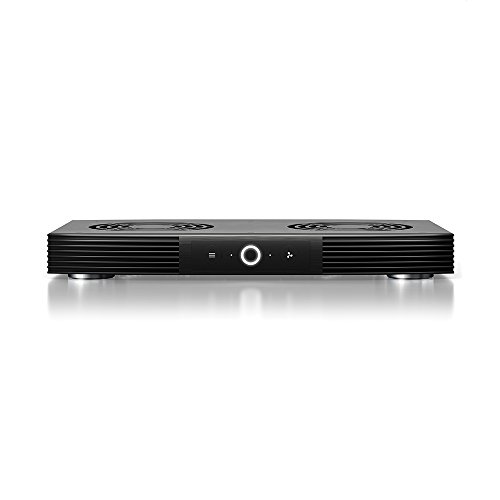
AC Infinity AIRCOM S7, Quiet Cooling Fan System 12" Top-Exhaust | Temperature Trigger, Speed Control, Power Outage Memory, Designed for Receivers, Amps, DVR, AV Cabinet Components
Check price on Amazon
Electactic 10000BTUs Portable Air Conditioner for Bedroom with Drainage-free Cooling, 4 in 1 Portable AC Units with Cool, Fan, Dehumidifier, Sleep, 24H Timer/Remote/Window Kits
Check price on Amazon
Socool Camping Fan with Light - 20000mAh Rechargeable Battery Fan, 112Hrs Max Run Time, 9 Speeds, Digital Display, Timer, Auto Oscillation, 270° Pivot & Hook for Camping, Power Outage, Hurricane
Check price on Amazon
2X 7.5 MFD 370V Oval Motor Run Capacitor for Aerovox 81A3901 | CAP-97F9001
Check price on AmazonDisclaimer
Some of the content on this site uses AI assistance. Information is provided for educational purposes only. We are not responsible for any losses resulting from the use of this information. By using this site, you waive any right to bring legal claims against us arising from your use of the information provided. If you do not agree, please do not use this site. Read the full disclaimer.