AC Air Conditioner Repair: Complete Troubleshooting Guide
When your air conditioner stops working, the house heats up fast and frustration sets in. This guide helps you diagnose common AC problems, perform safe DIY fixes, and understand when it is time to call a certified HVAC technician.
START DIAGNOSINGWhy this guide exists: Most AC repair calls fall into a handful of predictable categories. By learning how your system behaves when a filter clogs, a coil freezes, or a capacitor fails, you can make smarter decisions. You will either solve the issue quickly on your own or give a technician precise information that speeds up the fix. Either way, you regain control of your comfort.
How to Approach an AC Repair
Before touching any part of your system, follow a logical sequence. Most problems are simple and safe to check. Start with the obvious: confirm the thermostat is set to COOL, the set temperature is lower than room temperature, and the breaker has not tripped. Then check the air filter. A clogged filter restricts airflow and mimics major failures. If those basic checks pass, move to symptom-based diagnosis below.
Remember that refrigerant work and electrical component replacement inside the outdoor condenser require training and licensing. The checks outlined here focus on what a homeowner can safely inspect. For issues involving refrigerant, compressors, or capacitors, stop and call a professional.
Common AC Symptoms and What They Mean
Use the cards below to match your situation to a likely cause. Each card links to a deeper explanation within this guide or to a relevant resource on the site.
AC Running but Not Cooling
The system blows air, but it feels warm or room-temperature. Common causes include a dirty filter, low refrigerant, a failing compressor, or a frozen evaporator coil. Read more about AC not blowing cold air.
AC Not Turning On at All
No fan, no hum, nothing. Check the thermostat, breaker, and safety switch first. A tripped breaker or dead thermostat battery is a frequent culprit. If the thermostat is set to cool but AC not turning on, test the low-voltage fuse.
Water Leaking from the AC
Water pooling near the indoor unit usually means a clogged condensate drain line or a frozen coil that is melting. Read our guide on AC leaking water in basement for step-by-step fixes.
AC Freezing Up (Frozen Coils)
Ice on the refrigerant lines or evaporator coil points to restricted airflow or low refrigerant. Turn the system off, let it thaw, then investigate the filter and ductwork. Persistent freezing requires a technician.
Strange Noises from AC
Buzzing, clicking, rattling, or screeching. A buzzing contactor or a failing fan motor bearing are common. If the air conditioner fan spinning but not cooling, the issue may be the compressor circuit.
AC Constantly Running
The unit never reaches the set point. This can be due to a dirty filter, low refrigerant, a thermostat problem, or a system that is undersized for the space. Read about AC constantly running but not cooling.
AC Blowing Warm Air
If the outdoor unit is not running, the compressor or capacitor may have failed. If the outdoor unit runs but the air is warm, suspect refrigerant loss. See air conditioner blowing warm air in house.
AC Unit Fan Not Spinning
Both indoor and outdoor units have fans. If the outdoor fan stops, the compressor may overheat. If the indoor blower stops, the coil freezes. Start by checking the capacitor and motor.
Safety First: What You Should and Should Not Do
Critical safety note: Always turn off the AC at the thermostat and the breaker before removing any panel or touching wiring. The outdoor condenser holds a capacitor that can store a lethal charge even after power is removed. If you are not comfortable working with electrical components, do not proceed. Call a licensed professional.
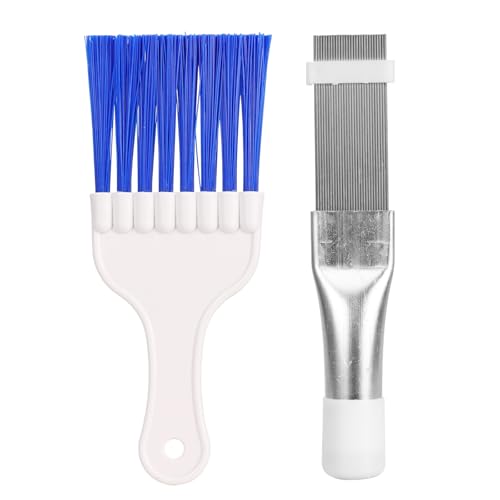
Safe homeowner tasks include replacing or cleaning the air filter, clearing debris from around the outdoor unit, straightening condenser fins with a fin comb, and flushing a condensate drain line with vinegar or water. Tasks that require a professional include handling refrigerant, replacing compressors, repairing electrical faults inside the condenser, and any work that involves brazing or vacuuming the system.
Step-by-Step Diagnostic Checklist
Before Calling a Technician, Check These:
- Thermostat is set to COOL and the set temperature is below the current room temperature.
- Air filter is clean. A dirty AC unit filter is the most common cause of poor cooling. Replace it monthly during peak season.
- Indoor and outdoor unit breakers are in the ON position. Reset any tripped breaker once.
- The outdoor unit has clear airflow. Remove leaves, grass clippings, and debris from around the condenser.
- The condensate drain line is not clogged. Look for standing water in the drain pan or near the indoor unit.
- All supply and return vents are open and unobstructed.
- The outdoor fan is spinning when the system is running. If not, suspect a capacitor or motor issue.
- The indoor blower is moving air. If not, check the blower motor and capacitor.
- There is no ice on the refrigerant lines or evaporator coil. If there is, turn the system off and let it thaw before investigating.
- You have not recently changed the thermostat batteries. Weak batteries cause erratic behavior.
DIY vs Professional Repair: What to Expect
Understanding the scope of a repair helps you decide whether to attempt it yourself or call a technician. The table below groups common repairs by complexity tier. Use it as a quick reference, not a substitute for professional judgment.
| Repair Category | Complexity Tier | Best For | Typical Approach |
|---|---|---|---|
| Air filter replacement | Entry-Level | Homeowners | Remove old filter, install new one with airflow arrow pointing toward the unit. Monthly during peak season. |
| Condensate drain flush | Entry-Level | Homeowners | Use a wet/dry vacuum on the drain line or pour vinegar through the access port. Prevents water leaks. |
| Thermostat replacement | Mid-Range | Handy homeowners | Low-voltage wiring. Match wire labels, turn off breaker first. A wireless HVAC thermostat can simplify installation. |
| Capacitor replacement | Mid-Range | Experienced DIYers | Requires discharging the capacitor and matching microfarad ratings. Not for beginners. |
| Blower motor replacement | High-End Tier | HVAC technicians | Involves disconnecting wiring, mounting, and belt or direct-drive alignment. Professional-grade tools recommended. |
| Refrigerant leak repair and recharge | Professional-Grade | Licensed HVAC technicians | Requires EPA certification, manifold gauges, vacuum pump, and refrigerant handling. Not a DIY task. |
| Compressor replacement | Professional-Grade | Licensed HVAC technicians | Major surgery for the system. Often the decision point between repair and full system replacement. See air conditioner compressor replacement. |
Deep Dive: Why Your AC Is Not Cooling
The most common complaint is an AC that runs but does not cool. The cause usually falls into one of three buckets: airflow restriction, refrigerant issues, or mechanical failure. Start by checking the filter and the outdoor unit for obvious blockages. If the outdoor unit is not running, the issue is electrical or mechanical. If it is running but the air is warm, the problem is likely refrigerant-related.
A frozen evaporator coil is a classic sign of restricted airflow or low refrigerant. Turn the system off at the thermostat and let the ice melt completely. Then replace the filter and check that all vents are open. If the coil freezes again quickly, call a technician to check the refrigerant charge. Trying to run a frozen system can damage the compressor.
If the indoor fan is running but the outdoor unit is silent, check the breaker and the capacitor. A failed capacitor is a common and relatively straightforward repair for a technician. If the compressor hums but does not start, the capacitor or the compressor itself may be failing. For a more detailed breakdown, read our guide on AC unit fan turns on but no cold air.
Need a second opinion or ready to upgrade to a more reliable system?
Explore AC Service and Repair OptionsDeep Dive: AC Leaking Water and How to Stop It
Water leaks are usually caused by a clogged condensate drain line, a disconnected drain tube, or a frozen coil that is melting. The fix for a clogged line is often as simple as locating the outdoor drain termination and using a wet/dry vacuum to pull the blockage out. You can also pour a cup of distilled vinegar through the access port to break down algae growth.
If the leak appears inside the house near the air handler, check that the drain pan is not cracked and that the primary drain line is flowing freely. A secondary drain pan with a float switch should shut the system off if the primary drain fails; if the switch is stuck, water can overflow. For a step-by-step walkthrough, see air conditioner leaking water in basement.
Preventive Maintenance That Prevents Repairs
Most AC failures are preventable. A simple seasonal routine keeps the system efficient and reduces the chance of a mid-summer breakdown. Replace the air filter every one to three months. Clean the outdoor condenser coil annually with a garden hose, and keep the area around the unit clear of vegetation. Flush the condensate drain line at the start of cooling season.
Schedule a professional tune-up once a year. A technician will check refrigerant pressures, clean the coils, test capacitors and contactors, and verify that the system is operating within manufacturer specifications. This proactive step is the best way to avoid emergency repair calls. Read more about air conditioner service and maintenance.
When to Call a Professional
Call a licensed HVAC technician if you notice any of the following: a burning smell from the unit, repeated breaker trips, refrigerant lines that are frozen and do not thaw after the system is off, water leaking from the indoor unit that you cannot stop, or a compressor that hums but does not start. These symptoms can indicate electrical hazards or refrigerant problems that require specialized training and tools.
If your system is older and the repair is major, compare the remaining lifespan of the unit against the cost of a new system. Our guide on AC warranty explained can help you understand whether your repair is covered. For help finding a qualified contractor, see air conditioner installers in my area.
Not sure whether to repair or replace? Get a professional assessment.
Find AC Repair ServicesFrequently Asked Questions
The most common causes are a dirty air filter, low refrigerant, a frozen evaporator coil, or a failing compressor. Start by replacing the filter and checking that the outdoor unit is running. If the outdoor unit is silent, check the breaker and capacitor. If the outdoor unit runs but the air is warm, call a technician to check the refrigerant charge. See our full guide on air conditioner running but not cooling the house.
A clogged condensate drain line is the most frequent cause. The drain line carries condensation away from the indoor coil. When algae or debris blocks it, water backs up and overflows the drain pan. Flush the line with a wet/dry vacuum or vinegar. If the leak persists, check the drain pan for cracks and confirm the secondary float switch is working. For detailed steps, read about air conditioner leaking water in basement.
Ice on the evaporator coil or refrigerant lines indicates restricted airflow or low refrigerant. Turn the system off and let it thaw completely. Then replace the air filter and check that all supply vents are open. If the coil freezes again within a day or two, call a technician to check the refrigerant charge. Continuing to run a frozen system can damage the compressor.
Replacing a capacitor is a mid-range DIY task that requires confidence with electrical safety. The capacitor holds a charge even after power is off, so you must discharge it safely before touching the terminals. You also need to match the microfarad rating exactly. If you are not comfortable with these steps, call a technician. The part itself is usually easy to source once you have the correct rating.
A failing compressor often produces a humming sound without the fan starting, or it may trip the breaker repeatedly. The outdoor unit may be silent while the indoor unit runs. A technician can test the compressor windings and capacitor to confirm the diagnosis. If the compressor is bad, the decision often comes down to replacing the compressor versus replacing the entire outdoor unit. See air conditioner compressor repair for context on the repair process.
A musty smell usually points to mold or mildew in the ductwork or on the evaporator coil. A burning smell indicates an electrical problem and warrants immediate shutdown and a call to a technician. A rotten-egg smell is rare but can indicate a refrigerant leak or a dead animal in the ductwork. Start by replacing the filter and cleaning the drain pan.
Schedule a professional tune-up once a year, ideally in the spring before cooling season begins. In addition, replace the air filter every one to three months and clean the outdoor condenser coil annually. Regular maintenance keeps the system efficient and catches small issues before they become major repairs. Learn more about air conditioner service and repair.