
Adding AC to a Furnace: A Complete Guide
Discover how to combine air conditioning with your existing forced-air furnace, what components are required, and how to make an informed decision about your home's year-round comfort.
START LEARNINGAC Units Guide Philosophy: Adding air conditioning to a furnace is one of the most practical upgrades for a home with an existing forced-air heating system. This guide walks you through compatibility checks, required components, the installation process, and the key decisions that determine whether a combined system is the right fit for your household.
Understanding the Furnace and AC Combination
A forced-air furnace distributes heated air through a network of ducts that run throughout the home. When you add air conditioning to a furnace, the same ductwork is used to circulate cooled air during warmer months. This shared-air distribution system is the foundation of what HVAC professionals call a "split system" — the furnace handles heating, while an outdoor condenser and an indoor evaporator coil handle cooling.
The appeal of this setup is straightforward: you leverage existing infrastructure instead of installing a separate cooling system from scratch. For homeowners with a functioning furnace and a clean, well-sealed duct network, adding AC is often the most efficient path toward whole-home comfort.
It is important to understand that the furnace does not generate cold air itself. Instead, it acts as an air handler that moves air across an evaporator coil, which absorbs heat and moisture. The cooled air then travels through the same ducts used for heating. This is why furnace compatibility, airflow capacity, and duct design are central to a successful installation.
Common Furnace Types That Support AC Add-Ons
Most forced-air furnaces are compatible with an add-on air conditioning system, but the specific configuration depends on the furnace design:
- Gas furnaces — The most common pairing for add-on AC. An evaporator coil is typically installed above the furnace in an upflow configuration, or below it in a downflow configuration.
- Electric furnaces — These function as both heater and air handler, making them straightforward candidates for a cooling coil addition.
- Oil furnaces — Compatible in many cases, though the coil placement and airflow capacity must be verified by a technician.
- Heat pumps with backup furnaces — Some homes use a heat pump as the primary system with a furnace as backup; adding a separate AC is usually unnecessary in this setup.
Important: Not every furnace can accept an add-on cooling coil. Older furnaces, units with limited airflow capacity, or systems with undersized ductwork may require modifications or a full system replacement. A licensed HVAC professional should always perform a compatibility assessment before any work begins.
Compatibility Factors to Evaluate Before Adding AC
Before committing to the project, several factors determine whether adding AC to your furnace is practical, efficient, and safe. Each of these should be reviewed by a qualified technician, but understanding them helps you ask the right questions and evaluate proposals with confidence.
Furnace Age and Condition
Furnaces within their expected service life are better candidates. An aging unit may not have enough remaining lifespan to justify pairing with a new cooling coil.
Airflow Capacity
The blower motor must be able to handle the additional static pressure from the cooling coil. Undersized blowers can cause poor cooling performance and premature wear.
Ductwork Condition
Leaky or undersized ducts undermine cooling efficiency. Duct sealing and sizing checks are often part of a responsible installation plan.
Electrical Capacity
The outdoor condenser requires a dedicated circuit. The home's electrical panel must have adequate capacity and breaker space for the new equipment.
Space for the Coil
An evaporator coil must be installed in the supply or return plenum. Space constraints may require a cased coil or a plenum modification.
Refrigerant Line Routing
A path must exist between the indoor coil and the outdoor condenser for refrigerant lines, typically through an exterior wall or crawlspace.
If your home has no existing ductwork, adding AC to a furnace is not a straightforward project. In that scenario, exploring adding central air to a house without ducts or considering a ductless system is a more practical direction.
Required Components for the Installation
A furnace-based AC addition is more than a single piece of equipment. The system relies on several coordinated components, each of which plays a role in cooling performance, efficiency, and reliability.
| Component | Function | Tier Considerations |
|---|---|---|
| Evaporator Coil | Absorbs heat and moisture from indoor air as it passes through the coil. | Entry-level coils are functional; mid-range and premium coils offer better corrosion resistance and cabinet insulation. |
| Outdoor Condenser | Releases absorbed heat to the outside and circulates refrigerant between indoor and outdoor units. | Entry-level units cover basic cooling; high-end tier models offer variable-speed compressors and quieter operation. |
| Refrigerant Line Set | Connects the indoor coil to the outdoor condenser, carrying refrigerant in a closed loop. | Properly sized and insulated line sets are essential; premium insulation reduces energy loss. |
| Thermostat | Controls both heating and cooling modes with a single interface. | Essential tier thermostats handle basic scheduling; top-tier smart thermostats add remote access and learning features. |
| Electrical Components | Provide power to the condenser and control wiring between indoor and outdoor units. | Professional-grade disconnects and wiring are standard for safety and code compliance. |
| Drain System | Removes condensate produced by the evaporator coil during cooling. | A properly sloped drain line with a trap prevents water damage and mold growth. |
For homes where the furnace also serves as the air handler, the blower motor's capacity directly affects cooling performance. A technician may recommend upgrading to a variable-speed blower for smoother airflow and better humidity control.
Installation Process: Step by Step
The installation of an add-on AC system follows a structured sequence. While the exact steps vary by home, the general process gives you a clear picture of what to expect from a professional installation.
-
System Assessment and Load Calculation
A technician evaluates the furnace, ductwork, and home insulation, then performs a load calculation to determine the correct cooling capacity for your space.
-
Equipment Selection
The evaporator coil and outdoor condenser are matched to the furnace's airflow capacity and the calculated cooling load. Matching components ensures efficient operation.
-
Coil Installation
The evaporator coil is mounted in the supply or return plenum, depending on the furnace configuration. The plenum may need modification to accommodate the coil cabinet.
-
Outdoor Condenser Placement
The condenser is set on a level pad with adequate clearance for airflow. Its location should minimize noise transmission into the home and allow for service access.
-
Refrigerant Line Set Routing
Insulated copper lines are routed between the indoor coil and outdoor condenser, secured and protected along the path.
-
Electrical and Thermostat Connections
A dedicated circuit is run to the condenser, control wiring connects the indoor and outdoor units, and a cooling-capable thermostat is installed or configured.
-
Vacuum and Charge
The refrigerant circuit is evacuated to remove moisture and air, then charged with the correct refrigerant amount for the line set length and component match.
-
Testing and Commissioning
The system is tested for airflow, temperature differential, refrigerant pressures, and condensate drainage. The technician verifies that heating and cooling modes switch correctly.
Installation quality has a significant impact on system performance and longevity. Working with an experienced HVAC contractor who follows manufacturer specifications and local codes is essential. If you are still evaluating contractors, reviewing how to find AC contractors in your area can help you compare qualifications and service scope.
Benefits of a Furnace-AC Combination
Combining cooling with an existing furnace offers several practical advantages for homeowners who already have forced-air heating.
Shared Ductwork
One duct system serves both heating and cooling, reducing installation complexity and preserving interior aesthetics.
Whole-Home Comfort
Every room connected to the duct network receives conditioned air, providing consistent temperatures throughout the home.
Filtration Integration
The furnace's air filter captures dust and particles during cooling season as well, supporting indoor air quality.
Long-Term Investment
A well-matched system adds cooling capability without duplicating the air distribution infrastructure, making it efficient in the long run.
Single Thermostat Control
A compatible thermostat manages both heating and cooling, simplifying operation and scheduling.
Humidity Control
During cooling, the evaporator coil removes moisture from indoor air, improving comfort during humid months.
Key Considerations and Potential Challenges
While adding AC to a furnace is often practical, several challenges can arise. Anticipating these issues helps you plan realistically and avoid surprises during the project.
- Duct sizing: Ducts designed only for heating may be undersized for cooling airflow. A technician should verify static pressure and airflow before installation.
- Furnace blower limits: Some furnaces have blower motors that cannot handle the added resistance of a cooling coil, especially in smaller or older units.
- Plenum space: A cased coil requires vertical or horizontal space in the plenum; tight installations may need creative ductwork solutions.
- Electrical panel capacity: The outdoor condenser needs a dedicated circuit, and older panels may lack available breaker slots or total capacity.
- Condensate drainage: A reliable drain path must be established, often to a floor drain, condensate pump, or exterior location.
- Refrigerant type: New systems use current refrigerants; older equipment may use phased-out types, which affects service and future maintenance planning.
For homes with very old or inefficient furnaces, the decision may shift toward replacement rather than addition. Comparing the age and condition of your heating equipment against the expected lifespan of a new combined system is part of a sound long-term plan. When the furnace itself is failing, exploring full system options may be more practical than adding cooling to equipment near the end of its service life.
Efficiency and Performance Factors
The efficiency of a furnace-AC combination depends on the interaction between the indoor coil, outdoor condenser, blower, and ductwork. Several principles guide good performance:
Matched components: An evaporator coil and condenser designed to work together deliver better performance than mismatched equipment. Manufacturers publish matched-system data that technicians use for selection.
Correct refrigerant charge: An undercharged or overcharged system loses capacity and efficiency. Proper charging during installation and verification during maintenance are essential.
Airflow calibration: The blower must deliver the correct airflow for the coil size. Too little airflow can freeze the coil; too much reduces dehumidification and cooling performance.
Duct sealing: Leaky ducts waste cooled air and draw in unconditioned air. Sealing and insulating ducts in unconditioned spaces improves delivered efficiency substantially.
Thermostat strategy: Using a programmable or smart thermostat to align cooling with occupancy patterns reduces unnecessary runtime and supports consistent comfort.
Homeowners focused on reducing energy use can also review general guidance on how to reduce AC electricity usage and apply those habits to a newly combined system.
Maintenance for a Combined Furnace and AC System
A combined system benefits from a unified maintenance routine. Because heating and cooling share the blower, filter, and ductwork, maintenance tasks often overlap.
- Filter replacement: Replace or clean the air filter regularly, especially during peak cooling season. A clogged filter strains the blower and reduces airflow across the evaporator coil.
- Coil cleaning: The evaporator coil should be inspected and cleaned as needed to maintain heat transfer efficiency.
- Condensate management: Check the drain pan and drain line for algae growth or blockages, which can cause water damage.
- Outdoor condenser care: Keep the condenser free of debris and vegetation, and rinse the coils periodically.
- Seasonal checks: Before cooling season, verify refrigerant pressures, electrical connections, and thermostat operation. Before heating season, confirm the furnace's ignition and safety controls.
- Professional service: Annual or bi-annual professional maintenance catches small issues before they become failures, extending equipment life.
For a deeper dive into routine tasks, the AC maintenance guide outlines filter cleaning, coil care, and seasonal checklists that apply to combined systems.
Adding AC Versus Replacing the System
The decision between adding cooling to an existing furnace and replacing the entire system depends on several factors, but the central question is the furnace's remaining service life and condition.
If the furnace is relatively modern, in good repair, and has adequate airflow capacity, adding a matched coil and condenser is a practical path. The existing heating equipment continues to serve its purpose, and the ductwork is leveraged for cooling.
If the furnace is approaching the end of its expected lifespan, has a history of repairs, or cannot support the required airflow, a full system replacement may be the more sensible long-term choice. A new combined system — or a heat pump — can deliver better efficiency, updated safety features, and a fresh warranty.
Some homeowners also consider high-efficiency alternatives such as a heat pump paired with a furnace as backup. In that arrangement, the heat pump provides both heating and cooling, and the furnace handles cold-weather backup. This approach can be efficient in moderate climates but requires careful equipment selection and controls.
Frequently Asked Questions
Can you add air conditioning to an existing furnace?
Yes, in most cases you can add air conditioning to an existing forced-air furnace by installing an evaporator coil above or below the furnace and pairing it with an outdoor condenser unit. Compatibility depends on the furnace's airflow capacity, available space, and electrical setup. A professional HVAC technician should verify that your furnace can support the added cooling coil before installation begins.
What components are needed to add AC to a furnace?
You will need an evaporator coil, an outdoor condenser unit, refrigerant line sets, a thermostat capable of cooling control, electrical connections, and proper ductwork. A professional HVAC technician should verify compatibility with your existing furnace and duct system. In some cases, plenum modifications, a condensate pump, or a blower upgrade may also be required.
How long does it take to add AC to a furnace?
A typical installation takes one to two days for a standard forced-air furnace setup. More complex installations involving duct modifications, electrical upgrades, or new line sets may take longer. The timeline also depends on equipment availability and local permitting requirements.
Is it better to add AC to a furnace or replace the entire system?
If your furnace is in good condition and within its expected service life, adding AC is often the more efficient path. If the furnace is aging or inefficient, replacing it with a combined HVAC system or a heat pump may provide better long-term performance and efficiency. A load calculation and equipment assessment help clarify which direction makes sense for your home.
Does adding AC to a furnace improve indoor air quality?
The evaporator coil removes moisture during cooling, which helps control humidity. The shared air filter also captures particles during cooling season. However, significant air quality improvements often depend on filter quality, duct cleanliness, and ventilation. Homeowners with specific air quality concerns should discuss filtration upgrades with their HVAC contractor.
What maintenance does a furnace-AC combination require?
Regular filter replacement, coil cleaning, condensate drain checks, and outdoor condenser maintenance are the core tasks. Annual professional service verifies refrigerant charge, electrical connections, and overall system performance. Many maintenance steps overlap with furnace care, which simplifies the routine compared with two separate systems.
Plan Your Cooling Upgrade with Confidence
Understanding your furnace's compatibility, the components involved, and the installation process puts you in a stronger position to make informed decisions. Whether you proceed with an add-on coil or evaluate a full system replacement, the right preparation leads to better comfort and long-term performance.
Explore Combined System OptionsRecommended Furnace-Compatible Cooling Components
⚠️ AFFILIATE DISCLOSURE: This website contains affiliate links. As an Amazon Associate, we earn from qualifying purchases. If you make a purchase through these links, we may receive a small commission at no additional cost to you. Read our full affiliate policy.

4011F-3 Transformer 40VA, 120V to 24V for Trane Furnace & HVAC | 40VA Furnace Transformer, Primary 120V Secondary 24V, Class 2 Rated
Check price on Amazon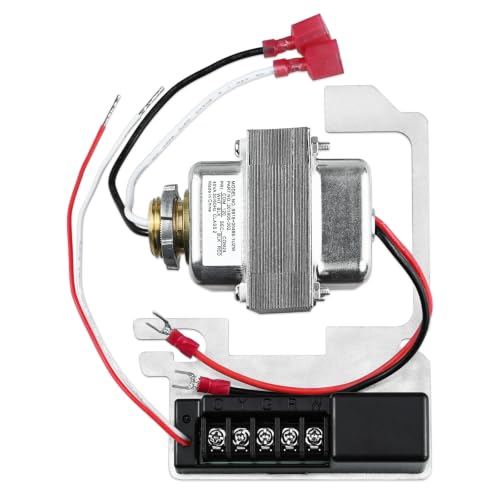
51950U A/C Ready Kit for GeniSys Beckett with Terminal Base & Transformer | add air conditioning capability to furnace or boiler systems,120V input/24V output,40VA Transformer,Pre-assembled Kit
Check price on Amazon
AC Air Furnace Filters - Cut to Fit - Washable (20x30x1, 2 Pack)
Check price on Amazon
TPS-20 HVAC Condensate Pump 300L/H 20ft Lift for AC Units,Dehumidifiers | Auto safety switch & 20ft tube, 110-240V wide voltage. Fits AC, dehumidifiers, ice makers, furnaces & boilers
Check price on Amazon
AllergyZone FilterLock Furnace Filter Slot Seal – Magnetic Seal Cover for Any 1” Furnace Filter, Up To 25” Long, Reduce HVAC Air Leaks, Green
Check price on Amazon
AC Air Furnace Filters - Cut to Fit - Washable (12x24x1, 2 Pack)
Check price on Amazon
Aqua-Flo Cut to Fit AC / Furnace Premium Washable Reusable Air Filter Pad (16"x 25"x 1")
Check price on Amazon