3 Ton AC Unit with Heat Pump: The Complete Guide
Understand what a 3-ton heat pump system delivers, who it suits, and which factors shape the total project. A practical guide for homeowners comparing options before buying.
START THE GUIDEWhat a 3-Ton AC Unit with Heat Pump Is
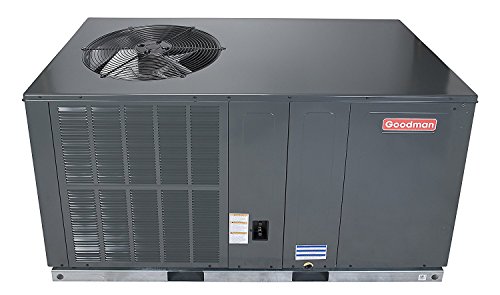
A 3-ton AC unit with heat pump is a single outdoor unit paired with an indoor air handler that cools your home in summer and heats it in winter. "3-ton" refers to the cooling capacity: one ton of cooling equals 12,000 BTU per hour, so a 3-ton system delivers roughly 36,000 BTU of cooling. That is a mid-to-large residential capacity, positioned above the small 1.5- and 2-ton systems used in apartments and townhomes and below the 4- and 5-ton systems used in larger or hotter-climate homes.
The heat pump aspect means the system can reverse its refrigerant cycle to move heat from the outdoor air into your home during colder months. Because it moves heat rather than generating it by burning fuel, a heat pump can deliver heating at a lower energy input than a resistance electric furnace in moderate climates. That is why heat pumps are increasingly common in new construction and retrofit projects alike.
Understanding how the system moves heat is the foundation for everything else in this guide. Our explainer on the AC refrigerant cycle covers the mechanics in more detail and helps you interpret what contractors describe during a quote.
Is a 3-Ton System Right for Your Home?
Square footage is a starting point, not a verdict. A 3-ton heat pump is commonly specified for homes in the 1,800 to 2,400 square foot range, but several variables can push the correct capacity up or down. A proper Manual J load calculation accounts for all of them and is the standard method contractors should use.
| Home Size | Typical Capacity Range | Notes |
|---|---|---|
| Under 1,200 sq ft | 1.5 – 2 tons | 3-ton generally oversized |
| 1,200 – 1,800 sq ft | 2 – 2.5 tons | Depends on climate and envelope |
| 1,800 – 2,400 sq ft | 3 tons | Common sweet spot for a 3-ton system |
| 2,400 – 3,000 sq ft | 3.5 – 4 tons | Load calculation essential |
| Over 3,000 sq ft | 4 – 5 tons or zoning | Consider multi-zone design |
Climate matters enormously. A 3-ton system in a mild coastal climate may cool a larger home than the same capacity would in a hot, humid inland climate. Insulation quality, window area and orientation, ceiling height, duct leakage, and occupancy patterns all shift the load. An oversized system short-cycles, which wastes energy and leaves humidity high; an undersized system runs continuously and never reaches the set point.
For a deeper walkthrough of load calculations, see our guide on how to size an air conditioner. If your home is particularly large, the AC for large house guide covers zoning and multi-system strategies.
Efficiency Ratings and Tier Comparison
Heat pump efficiency is expressed through two ratings. SEER2 measures cooling efficiency across a season, and HSPF2 measures heating efficiency. Higher figures indicate better efficiency in each mode. A 3-ton system's ratings tell you more about its long-term operating profile than any single specification on the box.
Efficiency also varies by system architecture. A single-stage system runs at full capacity or off, which is simple and robust but less efficient in mild weather. A two-stage system offers two output levels, improving part-load efficiency. A variable-speed or inverter-driven system modulates output continuously, which delivers the best comfort and the highest efficiency in most real-world conditions.
| Tier | Typical Architecture | Best For |
|---|---|---|
| Entry-level | Single-stage compressor, standard air handler | Mild climates, budget-conscious replacements |
| Mid-range | Two-stage compressor, improved coil and fan design | Most residential installs, daily comfort use |
| Premium / high-end tier | Variable-speed inverter compressor, communicating controls | Long seasons, humidity control, quiet operation |
The jump from entry-level to mid-range usually delivers the most meaningful efficiency gain per step. Premium systems add smoother operation, better humidity control, and quieter outdoor units, which many homeowners value as much as the efficiency numbers. For broader context on efficiency standards, our guide to ratings of central air conditioning systems covers how SEER2 and related metrics work across system types.
Important: A high-efficiency rating only pays off if the system is correctly sized and the ductwork is in good condition. Duct leakage can erase a meaningful share of a premium system's advantage.
Key Components and Installation Scope
A 3-ton AC unit with heat pump is more than a single box. The project typically includes several major components and a substantial installation effort. Understanding the scope helps you evaluate quotes and compare proposals fairly.
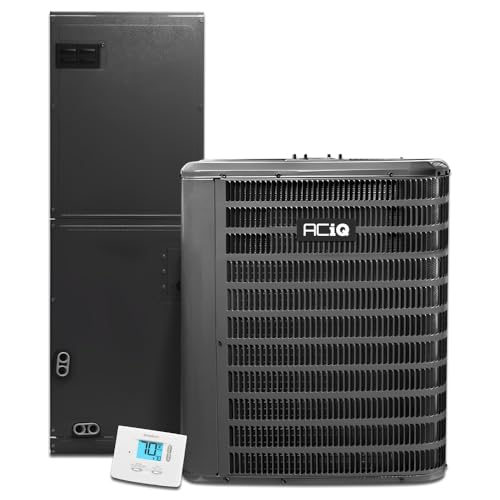
- Outdoor condenser/heat pump unit: The large exterior unit that houses the compressor, outdoor coil, and fan. Placement affects efficiency and noise.
- Indoor air handler: Contains the indoor coil and blower. In a heat pump system, this coil functions as the evaporator in cooling mode and the condenser in heating mode.
- Refrigerant line set: Connects the indoor and outdoor units. Length and routing affect performance and should follow manufacturer guidance. Our guide to refrigerant line set length covers the details.
- Ductwork: Distributes conditioned air. Existing ductwork may need sealing, repair, or resizing. Poor ducts undermine any system.
- Thermostat and controls: Modern systems often use communicating thermostats that optimize performance and enable zoning.
- Electrical: A 3-ton system requires a dedicated circuit and a properly sized breaker. Our guide to amps and breaker size for AC explains the sizing logic.
- Condensate drainage: The indoor coil produces water in cooling mode that must be routed away. The AC plumbing guide covers drain lines and traps.
Installation labor is a significant part of any project and varies with the complexity of the retrofit. A straightforward replacement in a home with good ducts is a different job than a first-time install in a home with no existing ductwork. For a broader perspective on system replacement, our HVAC replacement guide walks through the decision process.
Factors That Shape the Total Project
When homeowners research a 3-ton AC unit with heat pump, they are usually trying to understand what drives the overall project scope. Rather than quoting figures, which vary by region and change over time, this section explains the factors that move a project up or down in scale.
- Home size and layout: Larger homes and multi-story layouts may need zoning, additional ductwork, or a second system, which increases project scope.
- Existing ductwork condition: Reusing ducts in good condition keeps scope lower. Replacing or sealing ducts adds labor and materials.
- Electrical upgrades: Older panels may need a subpanel or service upgrade to support the new circuit. This is common in older homes.
- Efficiency tier: Premium and high-end tier systems carry a higher equipment position in the market than entry-level systems, which affects the overall project position.
- Installation complexity: Rooftop, crawlspace, or attic installs are more labor-intensive than slab or closet installs.
- Region: Labor rates and permit requirements vary widely by state and metro area.
- Permits and inspections: Most jurisdictions require a permit for HVAC replacement. Our guide to how to get an AC permit explains the process.
- Additional components: A new thermostat, zoning dampers, or a condensate pump add to the project scope.
Because project scope varies so much, the most reliable way to compare proposals is to request itemized quotes that separate equipment, labor, permits, and any ductwork or electrical work. This makes it easy to compare like with like and to spot a quote that is missing important items.
Pro tip: Ask every contractor to include a Manual J load calculation with the quote. A quote that specifies 3 tons without a load calculation is a guess, not a design.
Comparing Options Across Tiers
The market for 3-ton heat pump systems spans entry-level through premium. Comparing across tiers is more useful than comparing single numbers, because the tiers differ in ways that affect comfort and long-term efficiency as much as they affect the equipment position.
| Tier | What You Get | Best For |
|---|---|---|
| Entry-level | Reliable single-stage performance, basic thermostat compatibility | Replacing a failed system in a mild climate on a tight timeline |
| Mid-range | Two-stage compressor, improved efficiency, quieter operation | Most homeowners who plan to stay in the home long term |
| High-end tier | Variable-speed compressor, communicating controls, premium materials | Humidity-sensitive climates, long cooling seasons, premium comfort goals |
| Cold-climate heat pump | Enhanced heating performance at low outdoor temperatures | Northern climates replacing a furnace-and-AC setup |
A mid-range system is often the balanced choice: it delivers most of the efficiency and comfort benefits of a premium system at a more moderate position in the market. Premium systems are a worthwhile investment if you plan to stay in the home for many years and value quiet operation and humidity control. Entry-level systems remain a solid choice for seasonal homes and short-term ownership.
If you are also evaluating a ductless option, our guide to multi-zone ductless AC explains how zoning with mini-splits compares to a central heat pump. And if your home has no existing ducts, the ductless mini-split system guide covers the alternatives.
Questions to Ask Before Buying
A 3-ton heat pump is a long-term investment. Asking the right questions during the quoting process protects you from surprises and helps you compare proposals fairly.
- Did you perform a Manual J load calculation? If not, ask why. Sizing should be based on the home, not on the size of the old unit.
- What SEER2 and HSPF2 ratings does the proposed system achieve? Compare within the same tier and confirm the figures match the model number.
- Is the electrical panel adequate? Ask the contractor to confirm circuit and breaker capacity before installation day.
- Will you seal or replace ductwork? Duct condition directly affects system performance and should be addressed in the quote.
- What does the warranty cover? Equipment, labor, and refrigerant warranties vary. Get the terms in writing.
- What is the timeline? Equipment availability and permit timelines vary by region and season.
- Are rebates or tax credits available? High-efficiency heat pumps may qualify for incentives. Our guide to HVAC tax credits and rebates covers the landscape.
- Who handles the permit? The contractor should generally pull the permit and schedule inspections.
For a broader view of what separates a well-run installation from a rushed one, see our guide on how to choose an HVAC contractor. Once the system is installed, our AC maintenance guide covers the seasonal routine that protects the investment.
Ready to compare 3-ton heat pump options for your home?
VIEW RECOMMENDED SYSTEMSFrequently Asked Questions
What size home does a 3-ton AC unit with heat pump typically cool?
A 3-ton system is generally suited to homes around 1,800 to 2,400 square feet, but the correct size depends on climate, insulation, window area, ceiling height, and ductwork. A Manual J load calculation is the reliable way to confirm the right capacity.
Is a heat pump better than a separate AC and furnace?
A heat pump combines cooling and heating in one system and is often more efficient in mild to moderate climates. In very cold regions, a cold-climate heat pump or a hybrid setup with a backup furnace may be more appropriate. The best choice depends on your climate and energy goals.
How efficient is a 3-ton heat pump system?
Efficiency is expressed through SEER2 for cooling and HSPF2 for heating. Higher ratings indicate better efficiency. Premium and high-end tier systems typically offer higher SEER2 and HSPF2 figures along with variable-speed compressors for smoother operation.
Does a 3-ton AC unit with heat pump require a dedicated electrical circuit?
Yes. A 3-ton system typically requires a dedicated 240-volt circuit sized to the unit's amperage. An electrician or HVAC contractor should verify the panel capacity and breaker size before installation.
Keep Learning
A 3-ton heat pump is a significant home system. These related guides help you complete the picture:
- 4-ton AC unit installed: what to expect
- 4-ton AC unit: sizing and project overview
- Central AC and heating units overview
- Electric furnace and air conditioner combinations
- Electric heating and cooling units for homes
- Most efficient whole-house air conditioner
- Ductless mini-split air conditioning systems
- Air-to-water heat pump overview