Affordable Air Conditioning Units: Your Complete Buying Guide
Discover entry-level and mid-range AC systems that deliver reliable cooling, durable construction, and solid efficiency without compromising your long-term comfort.
EXPLORE OPTIONSWhy This Guide Matters: Finding an air conditioning unit that fits your comfort needs and long-term expectations is about understanding tiers, efficiency ratings, and build quality. This guide helps you evaluate entry-level and mid-range options so you can make a confident, informed decision before you buy.
Understanding the Air Conditioning Market
The air conditioning market offers a wide spectrum of systems, from essential-tier window units to professional-grade central systems. For most households, the sweet spot lies in the entry-level and mid-range tiers, where manufacturers balance solid build quality with efficient operation. These units are designed to deliver dependable cooling without the premium features found in flagship models.
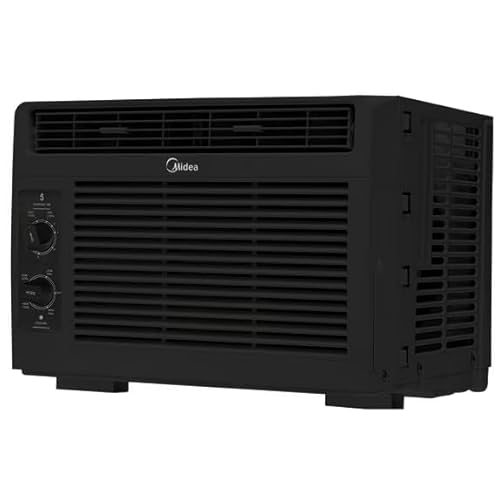
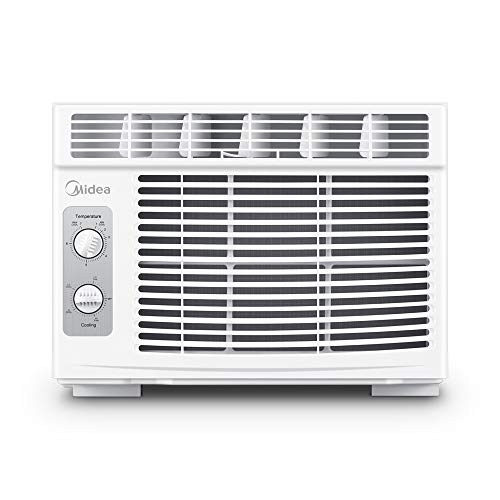
Before you start comparing models, it helps to understand the main categories of air conditioners and how they fit different homes. If you are cooling a small bedroom, a compact unit for a small room is usually the most practical choice. For homes without existing ductwork, ductless mini-split systems offer flexible installation and zone-based cooling. Meanwhile, window air conditioners remain a popular entry-level option for single rooms because they are self-contained and straightforward to install.
When evaluating any unit, pay attention to the SEER rating and EER rating, which indicate how efficiently the system converts electricity into cooling. Higher ratings generally mean lower operating impact over the life of the unit, which matters for a long-term investment.
AC Tiers at a Glance
The table below outlines the three main tiers you will encounter when shopping for air conditioning units. Use it to match your expectations with the right category.
| Tier | Best For | Typical Features | Build Quality |
|---|---|---|---|
| Essential Tier | Single rooms, renters, seasonal use | Basic mechanical controls, fixed-speed compressor, manual thermostat | Durable construction with standard components; solid for occasional use |
| Balanced Tier | Primary living spaces, bedrooms, home offices | Programmable thermostat, improved filtration, quieter operation | Reinforced cabinet, higher-grade coils, weather-resistant coating on outdoor units |
| High-End Tier | Whole-home comfort, multi-zone setups | Inverter compressor, smart controls, advanced air purification | Premium materials, heavy-duty components, extended warranty coverage |
For most buyers researching entry-level and mid-range options, the balanced tier represents the strongest combination of reliability, efficiency, and feature set. It is well-specified for the category and competitive within its class.
How to Choose the Right Unit for Your Home
1. Match Capacity to Room Size
An undersized unit will struggle to cool the space, while an oversized unit will cycle on and off too frequently, reducing efficiency and comfort. Use a BTU calculator by room size to determine the correct capacity. For reference, a 5,000–6,000 BTU unit suits rooms up to about 150 square feet, while an 8,000–10,000 BTU model handles spaces up to roughly 250 square feet. Larger living areas may need a 12,000–14,000 BTU unit.
2. Decide on the Type
Your home's structure heavily influences which type makes sense. If you have no ductwork and want a permanent, efficient solution, a mini-split system is a strong contender. If you need a portable option for a rental or a room with unusual window dimensions, a portable air conditioner provides flexibility. For a whole-home approach, central air conditioning remains the standard for uniform comfort, though it requires ductwork and professional installation.
3. Prioritize Efficiency Ratings
A higher SEER rating indicates better seasonal efficiency. Modern units in the balanced tier often achieve SEER ratings that qualify for ENERGY STAR certification, meaning they meet strict efficiency guidelines set by the DOE. If you plan to run your AC for many hours a day, choosing a more efficient model is a worthwhile investment over the life of the unit.
4. Consider Inverter Technology
Inverter-driven compressors adjust their speed continuously rather than cycling on and off. This leads to more stable temperatures, quieter operation, and lower energy consumption. If you are comparing options, read our guide on inverter vs non-inverter AC systems to understand the trade-offs. An inverter AC is generally more efficient in the long run, especially in rooms that are cooled for extended periods.
5. Check Installation Requirements
Some units require a dedicated electrical circuit or professional installation. Before committing, review our guide on 110V vs 240V AC units and amps and breaker size requirements. Window units typically plug into a standard outlet, while mini-splits and central systems may need a dedicated circuit and licensed installation.
Maintenance Tips for Long-Term Performance
Even the most durable unit will lose efficiency if it is not maintained properly. Regular upkeep protects your investment and keeps the system running at peak performance.
- Clean or replace filters regularly. A clogged filter restricts airflow and forces the system to work harder. Follow our guide on how to clean an AC filter and know when to replace it.
- Schedule seasonal checkups. A seasonal AC checklist helps you catch small issues before they become major repairs.
- Keep coils clean. Dust and debris on the condenser coils reduce heat transfer and lower efficiency.
- Monitor for warning signs. If your unit is not cooling properly, leaking water, or making unusual noises, address the issue early.
For a comprehensive overview, refer to our AC maintenance guide and learn when to call an HVAC technician versus handling a task yourself.
Getting the Most from Your Unit
Efficient operation is not only about the unit itself; how you use it matters just as much. Setting your thermostat to an ideal temperature, using a programmable thermostat, and pairing your AC with a ceiling fan can all reduce energy consumption. Sealing air ducts and addressing leaks in your home's envelope further improve performance.
If you want to understand the broader picture, our guide on reducing your AC electricity bill covers practical steps that work with any tier of equipment.
Common Mistakes to Avoid
- Buying based on capacity alone. Efficiency, build quality, and installation requirements matter just as much as BTU rating.
- Ignoring the electrical setup. Verify that your home's electrical panel can support the unit. Review our guide on checking your home electrical panel.
- Skipping professional installation. Improper installation can void warranties and reduce efficiency. Learn how to choose an HVAC contractor and what to ask before hiring.
- Overlooking the warranty. Understand what your AC warranty covers and how to register your unit properly.
Frequently Asked Questions
What is the difference between entry-level and mid-range air conditioners?
Entry-level units typically feature fixed-speed compressors and basic controls, making them suitable for single rooms and occasional use. Mid-range models often include inverter compressors, programmable thermostats, and improved filtration, offering better efficiency and quieter operation for daily use in primary living spaces.
How do I know what size AC unit I need?
Capacity is measured in BTUs and should match your room's square footage, ceiling height, insulation, and sun exposure. As a starting point, use a BTU calculator or consult our guide on how to size an air conditioner. A professional load calculation provides the most accurate result.
Is an inverter AC worth it for a single room?
Yes, if you use the unit frequently. Inverter compressors modulate their speed to maintain a stable temperature, which reduces energy consumption and wear on components. For occasional use in a guest room, a fixed-speed unit may be sufficient, but for daily comfort, an inverter model is generally a worthwhile investment.
How long does a typical air conditioner last?
With proper maintenance, a well-built unit can last 10 to 15 years. Window units often last 8 to 10 years, while central and mini-split systems can exceed 15 years with regular servicing. Factors like installation quality, usage patterns, and climate all influence longevity.
Do I need a permit to install an air conditioner?
Requirements vary by location. Window units typically do not require a permit, but central systems and mini-splits often do. Check our guide on how to get an AC permit and consult your local building department before installation.
Ready to Compare Your Options?
You now have a solid framework for evaluating air conditioning units by tier, efficiency, and build quality. Explore our curated selection of entry-level and mid-range models below to find the right fit for your home.
VIEW RECOMMENDED UNITS