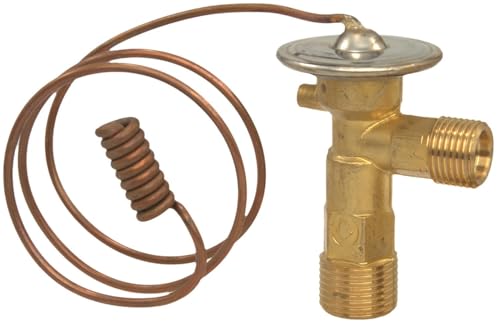
Air Cond Expansion Valve: The Complete Guide to AC Expansion Valves
Understand how an air cond expansion valve regulates refrigerant flow, why it is critical to cooling performance, and how to recognize the warning signs that it needs attention before your system loses efficiency.
What Is an Air Cond Expansion Valve?
An air cond expansion valve is a precision metering device installed between the condenser and the evaporator in a split air conditioning system. Its job is to take high-pressure, subcooled liquid refrigerant coming from the condenser and expand it into a low-pressure, low-temperature mixture of liquid and vapor before it enters the evaporator coil. That pressure drop is what allows the refrigerant to boil at a low temperature inside the evaporator and absorb heat from the indoor air.
Without a properly functioning expansion valve, the refrigerant circuit cannot maintain the pressure differential needed for heat absorption. The valve also regulates the amount of refrigerant entering the evaporator so the coil is fully utilized without flooding the compressor with liquid refrigerant. In short, it is the component that balances cooling capacity, superheat control, and compressor protection. For a broader view of the refrigerant circuit as a whole, see our guide on air cond system.
How the Expansion Valve Works Inside an AC System
The expansion valve sits at the inlet of the evaporator coil. Refrigerant arrives from the condenser as a high-pressure liquid. The valve forces it through a narrow orifice, creating an abrupt pressure drop. This is known as the throttling process. As pressure falls, the refrigerant temperature also falls, turning part of the liquid into vapor. The resulting cold, low-pressure mixture enters the evaporator, where it absorbs heat from the indoor air and evaporates completely.
A thermal expansion valve, often called a TXV, goes a step further. It uses a sensing bulb clamped to the suction line at the evaporator outlet. The bulb is charged with a fluid that responds to temperature changes at the coil outlet. As the refrigerant leaving the evaporator warms up, pressure in the bulb increases and pushes the valve open to allow more refrigerant flow. As the outlet temperature drops, the valve closes slightly. This feedback loop continuously adjusts the valve opening to maintain a target superheat, which is the margin of temperature above the refrigerant's boiling point at the evaporator outlet.
Types of AC Expansion Valves
Not all metering devices are the same. The type of expansion valve used in a system affects efficiency, responsiveness, and serviceability. The three main categories are described below.
1. Thermal Expansion Valve (TXV)
The TXV is the most common metering device in modern residential and light commercial air conditioners. It uses a sensing bulb and a diaphragm to modulate refrigerant flow in response to evaporator outlet temperature. TXVs deliver precise superheat control and adapt well to changing load conditions. Premium and high-end tier systems often use a balanced-port TXV design that maintains stable operation across a wider range of pressures.
2. Electronic Expansion Valve (EEV)
An electronic expansion valve replaces the mechanical sensing bulb with a stepper motor and electronic controls. The system's control board reads temperature and pressure sensors and commands the valve opening electronically. EEVs are common in inverter-driven systems, variable refrigerant flow systems, and top-tier high-efficiency equipment. They respond faster than mechanical valves and can be integrated with smart diagnostics. Many premium inverter AC units rely on this design for fine-grained capacity modulation.
3. Fixed Orifice / Capillary Tube
A fixed orifice or piston is a simple metering device with a set opening and no moving parts or sensing bulb. Capillary tubes work on the same principle. These devices are found in many entry-level and mid-tier systems because they are simple and durable. The trade-off is that they cannot adjust to changing load conditions, so efficiency and superheat control are less precise than with a TXV. Many basic window units and some older central systems use this approach.
| Metering Device | Adjustability | Best For | Typical Tier |
|---|---|---|---|
| Fixed orifice / piston | None | Simple, stable-load systems | Entry-level |
| Capillary tube | None | Small capacity units | Entry-level |
| Thermal expansion valve (TXV) | Mechanical, load-responsive | Most residential split systems | Mid-range to premium |
| Electronic expansion valve (EEV) | Electronic, sensor-driven | Inverter and VRF systems | High-end tier |
Key Components of a Thermal Expansion Valve
Understanding the internal parts of a TXV helps explain how it responds to system conditions and why certain failures occur.
- Valve body: The housing that contains the orifice and internal ports for refrigerant flow.
- Sensing bulb: A small bulb clamped to the suction line at the evaporator outlet, charged with a temperature-responsive fluid.
- Capillary tube: A thin tube connecting the sensing bulb to the top of the valve diaphragm.
- Diaphragm: A flexible element that moves the valve needle in response to pressure changes from the bulb.
- Needle and seat: The adjustable orifice that controls refrigerant flow.
- Superheat spring: A spring that provides closing force to balance the opening force from the bulb.
- External equalizer: A line that references evaporator outlet pressure to improve valve accuracy under varying pressure drops.
Symptoms of a Failing Air Cond Expansion Valve
When an expansion valve fails or begins to malfunction, the symptoms often overlap with other AC problems. A trained technician uses pressure and temperature readings to confirm the diagnosis. The most common warning signs include:
Reduced or Inconsistent Cooling
A valve that is stuck partially closed starves the evaporator coil of refrigerant. The system runs but delivers weak cooling, and the indoor temperature may never reach the thermostat set point. If your system is running but not cooling as expected, our guide on AC unit is running but not cooling walks through the diagnostic sequence.
Frozen Evaporator Coil
A restricted expansion valve can cause refrigerant pressure to drop too low in the evaporator, leading to coil temperatures below freezing. Moisture in the air condenses and freezes on the coil, gradually blocking airflow. Ice on the indoor coil or refrigerant lines is a strong signal that the metering device or refrigerant charge needs attention. See our troubleshooting page on AC frozen coils solution for related guidance.
Hissing, Whistling, or Gurgling Sounds
Refrigerant passing through a partially blocked or improperly sized orifice can produce a hissing or whistling sound near the indoor unit. Gurgling may indicate flashing refrigerant or incorrect flow. These noises are not always caused by the valve alone, but they are worth investigating.
Abnormal Pressure Readings
A technician using manifold gauges may find suction pressure that is too low or too high relative to expected superheat. A valve stuck open can flood the evaporator and raise suction pressure, while a valve stuck closed can drop suction pressure and superheat. These readings are the most reliable way to confirm a valve fault.
Compressor Short-Cycling or Overheating
Liquid refrigerant reaching the compressor can cause mechanical damage and overheating. A valve that fails to regulate flow properly may allow liquid slugging, which shortens compressor life. If the compressor is cycling on and off or running hot, the metering device should be part of the diagnostic checklist.
Common Causes of Expansion Valve Failure
Expansion valves are durable, but they are vulnerable to contamination and moisture in the refrigerant circuit. The most frequent causes of failure include:
- Debris and contamination: Metal particles, solder slag, or sludge can block the orifice or damage the needle and seat.
- Moisture intrusion: Water in the system can freeze at the orifice or form acids that corrode internal parts. A properly installed filter drier is essential.
- Wax buildup: Certain refrigerant oils can deposit wax at low temperatures, restricting flow.
- Sensing bulb failure: A bulb that has lost its charge or is poorly clamped to the suction line cannot regulate superheat correctly.
- Mechanical wear: Over time, the diaphragm, spring, and needle assembly can wear or lose calibration.
- Improper installation: Incorrect brazing practices, missing heat protection, or a misplaced bulb can damage the valve or cause erratic operation.
Expansion Valve vs Other AC Components
The expansion valve is part of a coordinated system. It works alongside the compressor, condenser, and evaporator, and its performance depends on the health of those components. For context, explore our pages on the air cond compressor and the air cond condenser unit to see how each part contributes to the refrigeration cycle. Understanding the full circuit makes it easier to interpret symptoms and avoid misdiagnosis.
Refrigerant piping and line sizing also influence valve performance. If the line set is too long or incorrectly sized, pressure drop can affect the valve's ability to maintain superheat. Our overview of air cond piping covers the fundamentals of line set design and installation.
When to Repair or Replace an Expansion Valve
Expansion valve replacement is not a do-it-yourself task. It requires recovering the refrigerant charge, cutting and brazing the lines, installing a new filter drier, evacuating the system with a vacuum pump, and recharging to the manufacturer's specification. These steps demand EPA Section 608 certification, specialized tools, and a solid understanding of refrigerant handling. Attempting the work without proper training risks injury, system damage, and legal compliance issues.
A technician will typically recommend replacement when the valve is confirmed to be restricted, stuck, or out of calibration, and when cleaning or adjustment is not feasible. In many cases, the filter drier is replaced at the same time to remove moisture and debris from the circuit. If the system is older and the compressor or condenser is also near the end of its service life, a technician may discuss whether a larger system upgrade makes more sense than a single-component repair. Our guide on replace vs repair outlines the decision factors.
Preventive Maintenance for Long Valve Life
Expansion valves rarely fail on their own. Most failures trace back to contamination, moisture, or installation errors. A few maintenance habits can significantly extend valve life:
- Replace air filters on schedule to maintain proper airflow across the evaporator coil. Restricted airflow can cause coil icing and stress the metering device. See our guide on the AC unit filter.
- Schedule annual professional maintenance that includes pressure, superheat, and subcooling checks.
- Keep the outdoor condenser coil clean and free of debris so the system operates within design pressures.
- Address refrigerant leaks promptly. A low charge changes valve behavior and can cause icing or compressor strain.
- Ensure the filter drier is replaced whenever the system is opened for repairs.
- Use only the refrigerant type specified on the unit nameplate and follow proper charging procedures.
If you notice persistent cooling problems despite clean filters and a well-maintained condenser, it is time to call a qualified technician. Our guide on when to call an HVAC technician helps you decide when a professional visit is warranted.
Frequently Asked Questions
It controls the flow of refrigerant into the evaporator coil. By reducing refrigerant pressure and temperature, it allows the refrigerant to absorb heat from indoor air and produce cooling.
Common symptoms include reduced cooling, frozen evaporator coils, hissing or whistling sounds, abnormal pressure readings, and compressor short-cycling or overheating.
A quality valve can last many years when the system is properly maintained and the refrigerant circuit stays clean and moisture-free. Debris, moisture, and contamination are the main causes of premature failure.
Replacement requires refrigerant recovery, brazing, vacuuming, and recharging. These tasks demand specialized tools and EPA certification, so the work should be handled by a qualified HVAC technician.
A TXV continuously adjusts refrigerant flow based on load and superheat, delivering better efficiency. A fixed orifice has a set opening that cannot adjust to changing conditions.
Bottom Line
The air cond expansion valve is a small but essential part of your cooling system. Understanding its role helps you recognize problems early, communicate clearly with your HVAC technician, and make informed decisions about repair or replacement. Regular maintenance, clean filters, and prompt attention to cooling issues are the best ways to protect this component and keep your system running efficiently for years.