
Air Conditioner Annual Maintenance Contract: Your Complete Guide
Learn how a yearly service agreement protects your cooling system, extends its lifespan, and keeps performance at its peak season after season.
Why read this guide? If you already own or plan to install an air conditioner, you have probably wondered whether an annual maintenance contract is truly necessary or just an upsell. This guide breaks down exactly what these agreements include, how they work, who benefits most, and how to choose the right plan for your home or business. By the end, you will have the clarity to decide with confidence.
What Is an Air Conditioner Annual Maintenance Contract?
An air conditioner annual maintenance contract (often abbreviated as AMC) is a service agreement between a property owner and an HVAC provider. Under this contract, the provider performs scheduled preventive maintenance visits on your cooling system throughout the year in exchange for a recurring membership fee. Think of it as a health checkup plan for your AC, delivered on a predictable schedule rather than waiting for something to break.
These agreements are common across residential and commercial settings. A typical contract covers one or two maintenance visits per year, depending on the climate and system type. During each visit, a certified technician inspects, cleans, and tunes the equipment to keep it running efficiently. Many contracts also include priority scheduling for repairs and modest discounts on parts should something fail.
It is important to distinguish an annual maintenance contract from a one-time tune-up. A single tune-up is a transaction; a contract is an ongoing relationship with documented service history. That history matters because manufacturers often require proof of professional maintenance to honor warranty terms. If you are comparing service options, reviewing what a standard AC tune-up service includes can help you understand the baseline before committing to a year-long plan.
How Annual Maintenance Contracts Work
Most HVAC companies structure their maintenance agreements in a straightforward way. After an initial assessment of your system, the provider proposes a plan that fits your equipment type, usage, and location. Once you enroll, the company schedules the first visit and sets up reminders for subsequent appointments.
The Typical Service Cycle
- Enrollment and system audit: The contractor reviews your equipment, age, and history to tailor the plan.
- Scheduled visits: Most residential plans include one spring visit (pre-summer) and one fall visit (pre-winter for heat pump systems).
- Preventive tasks: Technicians clean coils, check refrigerant levels, inspect electrical connections, lubricate moving parts, and test thermostat calibration.
- Documentation: After each visit, you receive a service report detailing findings and any recommended follow-ups.
- Priority support: Contract holders typically jump the queue when they need emergency repairs.
The scope of tasks varies by plan tier. Entry-level agreements usually cover basic inspections and filter changes, while mid-range and premium plans add deeper cleaning, refrigerant top-offs, and extended labor coverage. Understanding these differences is essential before signing, especially if your system is older or located in a demanding environment.
Key Benefits of an Annual Maintenance Contract
Extended Equipment Lifespan
Regular cleaning and tuning reduce wear on compressors and fans, helping your unit reach its expected service life instead of failing early.
Improved Energy Efficiency
Clean coils and correct refrigerant levels allow the system to cool with less effort, which can lower monthly energy use over time.
Fewer Emergency Breakdowns
Technicians catch small issues—loose wiring, worn capacitors, dirty filters—before they escalate into mid-summer failures.
Warranty Protection
Many manufacturers require documented professional maintenance. A contract provides the paper trail needed to keep coverage valid.
Priority Scheduling
When temperatures spike, contract holders are served first. This matters when every hour without cooling feels like a day.
Predictable Care Schedule
You no longer have to remember when the last service was. The provider tracks it and reaches out to schedule the next visit.
Beyond these operational benefits, a maintenance contract offers peace of mind. Knowing that a professional will inspect your system on a set schedule removes the guesswork from home comfort management. For households with children, elderly residents, or anyone sensitive to heat, that reliability is more than a convenience.
What a Typical Contract Covers
Coverage varies widely between providers, so reading the fine print is critical. That said, most annual maintenance contracts include a core set of services. Use the table below as a general reference when comparing proposals.
| Service Category | Entry-Level Tier | Mid-Range Tier | Premium Tier |
|---|---|---|---|
| Seasonal inspections per year | 1 | 2 | 2–4 |
| Filter cleaning and replacement | Basic cleaning | Cleaning + standard filter | Cleaning + premium filter |
| Coil cleaning | Surface rinse | Deep clean | Deep clean + sanitizing |
| Refrigerant level check | Visual check | Gauge check + top-off if minor | Full diagnostic + top-off |
| Electrical and controls inspection | Basic | Detailed | Detailed + thermal imaging |
| Labor coverage for repairs | Not included | Partial discount | Included up to a set threshold |
| Priority emergency service | Standard queue | Priority | Top priority |
This table is illustrative rather than definitive. A local provider may bundle services differently or offer add-ons such as duct cleaning, smart thermostat support, or indoor air quality checks. Always ask for a written scope of work before signing. If your system is a ductless mini-split or a central unit, the maintenance tasks differ slightly, so confirm that the contractor has experience with your specific equipment.
Types of Maintenance Contracts
1. Inspection-Only Agreements
These plans focus purely on preventive checks and cleaning. They do not include parts or labor for repairs, but they keep your system in good shape and flag developing problems. They suit newer systems still under manufacturer warranty, where the primary goal is preserving coverage rather than absorbing repair bills.
2. Labor-Inclusive Agreements
This type adds labor coverage for repairs. If a component fails, you pay for the part but not the technician's time. These plans are a middle ground: they reduce the sting of unexpected repair visits without promising full coverage. They are popular with homeowners who want protection but prefer to control parts purchasing themselves.
3. Comprehensive or Full-Coverage Agreements
These plans bundle inspections, labor, and certain parts into one predictable membership. The exact inclusions vary—some cover capacitors and contactors, while others extend to motors and compressors within limits. Comprehensive plans are the closest thing to worry-free ownership, but they usually come with exclusions and service limits that you should read carefully.
Regardless of type, verify whether the contract auto-renews and how cancellation works. A good provider will be transparent about both. It is also wise to check whether the agreement transfers if you sell your home—some do, and that can be a selling point.
Who Should Consider a Maintenance Contract?
Maintenance contracts are not for everyone, but certain situations make them especially valuable:
- Homeowners with systems older than five years: Older equipment is more prone to failures, and preventive care stretches its remaining life.
- Households in extreme climates: Long cooling seasons mean more runtime hours and more wear.
- Landlords and property managers: A documented service history simplifies tenant requests and protects asset value.
- Small business owners: Commercial spaces cannot afford downtime. An office building AC system that fails during business hours disrupts operations and revenue.
- Anyone with a manufacturer warranty: Many warranties require professional maintenance to remain valid.
Conversely, if your system is brand new and covered by a robust manufacturer warranty that includes maintenance, or if you are highly hands-on and comfortable performing basic upkeep yourself, a contract may be optional. The key is to weigh the annual membership against the likelihood of repairs and the value you place on convenience.
How to Choose the Right Provider
The quality of a maintenance contract depends entirely on the company behind it. A low-cost agreement from an unreliable provider is worse than no agreement at all. Use these criteria when evaluating candidates:
- Licensing and insurance: Confirm that the company holds the required state and local licenses and carries liability insurance.
- Experience with your system type: A technician who works daily on central systems may be less familiar with ductless equipment or heat pumps.
- Clear written scope: The contract should list exactly what is included, what is excluded, and how many visits you receive.
- Response time commitments: Ask about guaranteed response windows for emergency calls.
- Reputation and reviews: Look for consistent feedback about punctuality, professionalism, and follow-through.
- No high-pressure sales: A reputable provider explains options and lets you decide without coercion.
It also helps to understand the broader service landscape. Comparing what a standard air conditioning cleaning service covers versus a full contract can clarify whether you need ongoing care or just periodic deep cleaning. For systems that are aging or showing symptoms, a contractor may recommend combining maintenance with targeted repairs; in those cases, ask whether the contract includes diagnostic visits or whether those are billed separately.
What to Expect During a Maintenance Visit
A well-run maintenance visit is methodical. The technician typically starts with a conversation about how the system has performed since the last visit, then moves through a checklist:
- Inspect and clean or replace air filters
- Check refrigerant charge and inspect lines for leaks
- Clean evaporator and condenser coils
- Tighten electrical connections and test capacitors and contactors
- Lubricate motors and inspect belts where applicable
- Test thermostat calibration and controls
- Measure airflow and temperature differential
- Flush condensate drain lines to prevent clogs
- Record readings and note any recommended repairs
After the visit, you should receive a report. Keep these reports in a folder—they serve as your warranty paper trail and help future technicians understand the system's history. If the technician recommends a repair, ask for the diagnosis in plain language and whether it is urgent or can wait until the next scheduled visit.
Common Mistakes to Avoid
- Choosing solely on the lowest membership tier: The entry-level plan may not include the tasks your system actually needs. Match coverage to equipment age and condition.
- Skipping the fine print: Exclusions for pre-existing issues, refrigerant, or specific components can surprise you later.
- Ignoring auto-renewal terms: Know when the contract renews and how to cancel if you move or change systems.
- Not asking about technician qualifications: Ask whether technicians are NATE-certified or factory-trained.
- Assuming all contracts include parts: Many do not. Clarify what happens if a capacitor or blower motor fails.
Frequently Asked Questions
How many maintenance visits do I need per year?
For most residential cooling systems, two visits—one before the cooling season and one before the heating season—are standard. In mild climates, one annual visit may suffice. Systems in heavy-use environments may benefit from quarterly check-ins.
Does a maintenance contract cover refrigerant?
Usually not, or only in limited quantities. Refrigerant is often excluded because leaks indicate a repair issue rather than routine maintenance. Check the contract language carefully, and ask what happens if a leak is found during a visit.
Can I cancel a maintenance contract?
Most contracts allow cancellation, but terms vary. Some require written notice 30 days before renewal; others may charge a cancellation fee. Always review the cancellation clause before signing.
Is a maintenance contract worth it for a new AC?
For a new system under a strong manufacturer warranty, the primary value is preserving warranty compliance and catching early installation-related issues. If the warranty already includes maintenance, a separate contract may be redundant. Otherwise, a basic inspection plan is a reasonable safeguard.
What happens if my system breaks down between visits?
Contract holders typically receive priority scheduling and, depending on the plan, reduced or waived diagnostic fees. The repair itself may still be billable unless your plan includes labor or parts coverage.
Can I perform maintenance myself instead?
You can handle basic tasks like filter changes and keeping the outdoor unit clear of debris. However, refrigerant handling, electrical diagnostics, and coil cleaning require training and tools. Professional maintenance also generates the documentation that warranties often require.
Ready to Protect Your Cooling System?
Compare maintenance plan options and find a provider that fits your equipment and schedule. A little prevention today keeps comfort reliable tomorrow.
Explore HVAC ServicesFinal Thoughts
An air conditioner annual maintenance contract is a practical tool for anyone who values reliable cooling and wants to avoid surprise breakdowns. It is not a magic shield—parts still wear out and systems still age—but it tilts the odds in your favor by catching problems early and keeping the equipment clean and calibrated. The right plan, from the right provider, pays back in comfort, efficiency, and peace of mind.
Before you commit, read the scope, ask about exclusions, and confirm the provider's reputation. If you are also considering upgrades or replacements, understanding related services such as air conditioning system replacement can help you plan for the long term. And if your system is already showing signs of trouble, a maintenance visit is a sensible first step before assuming the worst.
Recommended Air Conditioners for Maintenance-Minded Owners
⚠️ AFFILIATE DISCLOSURE: This website contains affiliate links. As an Amazon Associate, we earn from qualifying purchases. If you make a purchase through these links, we may receive a small commission at no additional cost to you. Read our full affiliate policy.
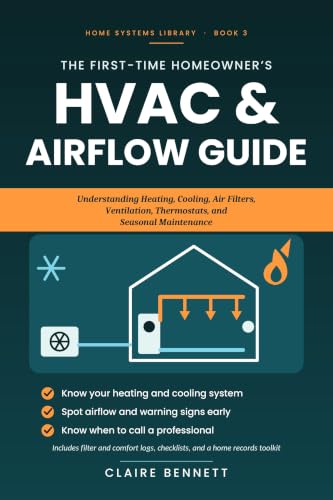
The First-Time Homeowner's HVAC & Airflow Guide: Understanding Heating, Cooling, Air Filters, Ventilation, Thermostats, and Seasonal Maintenance
Check price on Amazon
PRACTICAL AIR CONDITIONER SERVICE AND REPAIR MANUAL: A Beginner’s Guide to Servicing, Troubleshooting, and Maintaining Domestic Air Conditioning Systems
Check price on Amazon
HVAC Troubleshooting Playbook: Practical Residential Diagnostics for Service Technicians Covering AC, Heat Pumps, Gas Furnaces, Mini-Splits, Electrical, Airflow and A2L Refrigerants
Check price on Amazon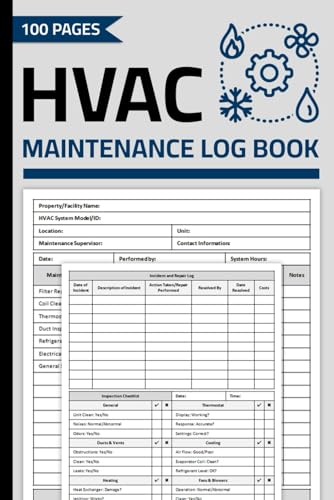
HVAC Maintenance Log Book: HVAC Repair & Service Record with Inspection Checklist | Maintenance Logbook for HVAC Systems | 100 Pages
Check price on Amazon
Residential Equipment Selection Manual S®
Check price on Amazon
The Complete HVAC Professionals's Bible: The Definitive Field Manual for Installation, Maintenance & Troubleshooting for Technicians, Serious DIYer & Apprentices
Check price on Amazon
Air Conditioning Maintenance and Repair: Step-by-Step Troubleshooting and Fault Solving
Check price on Amazon