Air Conditioning System Replacement: What to Expect
Replacing an air conditioning system is a major decision for any homeowner. Understand the full replacement process, the factors that influence the scope of the project, and how to choose the right tier of equipment for your home — before you commit.
Explore the ProcessEditorial Note: This guide is written for homeowners in the research phase. Rather than focusing on figures that change over time, we explain the structure of a replacement project, the tiers of equipment available, and the decisions that matter most for long-term comfort and efficiency. Use this page to build confidence before requesting quotes.
Why Air Conditioning Systems Get Replaced
Air conditioning systems are designed to serve a home for many years, but they do not last forever. Understanding the common triggers for replacement helps you recognize when it is time to act rather than keep patching a failing system. Homeowners typically replace their AC system for one or more of the following reasons:
- Age and end of service life. Most central systems reach the end of their practical service life after a long run of reliable operation. At that point, breakdowns become more frequent and parts become harder to source.
- Declining energy efficiency. Older equipment uses legacy compressor and refrigerant technology. Modern systems — especially those in the high-end tier — operate far more efficiently, which shows up in long-term energy use.
- Frequent breakdowns. When a system needs repeated service calls, the cumulative disruption and downtime start to outweigh the value of keeping it running. If you are facing a costly compressor repair, compare it honestly against replacement using our guide on AC unit compressor replacement.
- Refrigerant transitions. Regulatory changes have phased out older refrigerants. Systems that use discontinued refrigerant blends may need replacement when a leak cannot be resolved practically. Our overview of the R410A phase out explains the background.
- Uneven comfort and humidity. A system that no longer holds temperature or fails to remove humidity properly usually signals a larger problem than a simple tune-up can fix.
- Home renovation or addition. Adding living space or converting a garage changes the load on the system. When the existing equipment cannot cover the new demand, replacement with a properly sized system becomes the sensible path.
Recognizing these triggers early gives you time to plan. A planned replacement is always smoother than an emergency one, because you can compare options, schedule the work, and prepare your home without pressure.
The Air Conditioning System Replacement Process
An AC replacement is a structured project with clear phases. Knowing what each phase involves helps you set expectations and ask the right questions. The timeline below reflects a typical residential replacement; the exact duration varies with the home, the system type, and the condition of existing ductwork.
Assessment & Load Calculation
A qualified technician evaluates your home's cooling load, insulation, window exposure, and existing ductwork before recommending a system size.
System Selection
You choose the equipment tier, efficiency level, and features that fit your home and comfort goals. This is where the biggest decisions are made.
Removal & Installation
The old equipment is removed, the new indoor and outdoor units are set in place, refrigerant lines are connected, and the system is commissioned.
Testing & Handover
The installer verifies airflow, refrigerant charge, and thermostat operation, then walks you through controls and maintenance basics.
A well-planned replacement can often be completed in a single working day for a straightforward swap, while projects involving duct modifications or a switch between system types take longer. For a broader look at the planning side of the project, see our guides on air conditioning replacement companies and central HVAC replacement.
Understanding Equipment Tiers
Instead of fixed figures that shift over time, it is more useful to understand the tiers of equipment available. Replacement decisions become much simpler when you know which tier you are shopping in and what each tier delivers in terms of efficiency, comfort features, and build quality.
Starter Tier
Essential cooling with standard single-stage operation and baseline efficiency. A solid choice for homeowners replacing a similarly basic system where comfort expectations are modest and the goal is dependable, straightforward cooling.
Balanced Tier
Two-stage compressors, improved humidity control, and quieter operation. This tier is the most popular for whole-home replacement because it improves comfort noticeably over starter equipment without stepping into specialized territory.
High-End Tier
Variable-speed or inverter-driven compressors, top efficiency ratings, and advanced zoning and smart control compatibility. Ideal for homeowners who plan to stay long-term and want the quietest, most consistent comfort available.
For homes that lack ductwork entirely, the tiers above still apply to ductless equipment. Our guide to ductless mini-split AC systems explains how the same tier logic works for mini-split replacements, and our buying guide covers efficiency ratings such as SEER2 in more detail.
What Influences the Scope of a Replacement
Two replacements of similar homes can differ substantially in scope. The main variables are the system type, the home's existing infrastructure, and the efficiency target you choose. The table below summarizes how each factor shapes the project.
| Factor | Typical Impact on the Project | Best For |
|---|---|---|
| Like-for-like system swap | Minimal scope: existing ductwork and electrical connections are reused, keeping disruption low. | Homes with sound ductwork and a same-type replacement |
| Equipment tier upgrade | Moderate scope: may require updated line sets, controls, or thermostat compatibility checks. | Homeowners upgrading comfort and efficiency |
| Ductwork modifications | Larger scope: sealing, resizing, or rerouting ducts adds time and expands the work area. See replacing air conditioning ductwork for the planning side. | Older homes with leaking or undersized ducts |
| Ductless conversion | Distinct scope: indoor heads mount on walls or ceilings and a new line route is created; no ductwork needed. | Homes without ducts or room additions |
| Electrical and permits | Variable scope: older panels may need assessment, and most jurisdictions require a permit for system replacement. | Every replacement project |
If your home already has ductwork but no central cooling, adding it is a different project entirely. Our guide to adding air conditioning to ducted heating covers that path, while air conditioning systems without ductwork explains the ductless alternative.
Sizing and Efficiency: The Decisions That Matter Most
Two technical decisions dominate the outcome of a replacement: system size and efficiency level. Both deserve careful attention because they determine comfort and long-term energy use for years.
Why correct sizing matters
An oversized system cools quickly but cycles on and off too frequently. That short cycling leaves humidity behind, creates temperature swings, and adds wear to the compressor. An undersized system runs continuously without reaching the set point. The right size is determined by a load calculation — not by copying the size of the old unit. Our guide on how to size an air conditioner and our BTU calculator by room size walk through the method. For a whole-home perspective, see AC sizing for the whole home.
Efficiency ratings explained
SEER2 is the current efficiency metric for cooling equipment. Higher ratings generally mean more efficient operation, though the benefit depends on climate and usage. If you want a deeper explanation, read what a SEER rating is and our breakdown of SEER vs SEER2 under DOE standards. Homeowners who prioritize efficiency often look at ENERGY STAR certified AC equipment and the highest SEER air conditioners available.
Inverter technology deserves special mention. An inverter AC varies compressor speed to match demand rather than switching fully on and off, which produces steadier temperatures and quieter operation. Our comparison of inverter vs non-inverter systems helps you decide whether the upgrade fits your replacement plan.
Choosing the Right System Type for Your Home
Most replacements fall into one of three families. Knowing which one suits your home narrows the field before you contact contractors.
- Central air conditioning. A single system cools the whole home through ductwork. This is the natural replacement path for homes that already have ducts. Learn more in our central air conditioning overview.
- Ductless mini-split. One outdoor unit serves one or more indoor heads, each controlled independently. Mini-splits are the go-to replacement for homes without ducts or for room-by-room comfort. See ductless mini-split AC.
- Hybrid and heat pump options. A heat pump provides both cooling and heating, which can simplify a replacement if your heating equipment is also aging. Compare the options in our guide to heat pumps vs air conditioners and AC with heat pump.
Homes without existing ducts that want whole-home comfort should weigh ducted and ductless approaches directly; our article on ductless vs ducted AC lays out the trade-offs. If you are also replacing heating equipment, the planning overlaps, so review replacing HVAC and furnace as a combined project.
How to Prepare for Replacement Day
A little preparation makes the installation smoother and protects your home. Consider the following checklist in the days before the work begins:
- Clear access routes. Remove fragile items near the indoor unit, the outdoor unit, and the path between them, including hallways and stairways.
- Protect floors. Contractors usually lay protective coverings, but moving rugs and delicate furniture out of the work area is a sensible precaution.
- Plan for power and thermostat downtime. The system will be off during the work. If extreme heat is forecast, arrange a cool room or a temporary cooling option for vulnerable household members.
- Confirm permit and inspection details. Ask your contractor who pulls the permit and when inspection is expected. Our guide on how to get an AC permit explains why this step matters.
- Note your thermostat preferences. Have your preferred schedules and setpoints ready so the installer can configure the new thermostat, including any Wi-Fi and smart control features.
- Ask about cleanup and disposal. Confirm that the old equipment and packaging will be removed as part of the job.
After the Replacement: Protect Your Investment
The first weeks after installation set the tone for the system's service life. Register the warranty promptly, keep the paperwork together, and note the model and serial numbers. Our AC warranty registration guide explains the steps, and questions to ask your installer covers what to clarify before the crew leaves.
Ongoing care matters just as much. Replace filters on schedule — see when to replace an AC filter — and keep the outdoor unit clear of debris. An annual maintenance contract keeps the system tuned and can catch small issues early. Our seasonal AC checklist is a practical starting point for spring and fall upkeep, and AC tune-up service explains what a professional visit includes.
Households planning to use the new system with ceiling fans or smart schedules will benefit from our guides on using a ceiling fan with AC and programmable thermostat settings.
Frequently Asked Questions
How do I know if I should replace my AC system or repair it?
How long does an AC replacement take?
Do I need a permit for an air conditioning system replacement?
Can I keep my existing ductwork and thermostat?
Should I choose a higher-efficiency tier?
What happens to the old equipment?
Ready to Compare Replacement Options?
Build your shortlist with confidence. Review the equipment tiers in our recommendations section, then explore the specific guides linked throughout this article for deeper detail on sizing, efficiency, and installation.
View Recommended SystemsTop Air Conditioning Systems for Replacement
⚠️ AFFILIATE DISCLOSURE: This website contains affiliate links. As an Amazon Associate, we earn from qualifying purchases. If you make a purchase through these links, we may receive a small commission at no additional cost to you. Read our full affiliate policy.

Goodman 2.5 TON 14.3 SEER2 R-32 Heat Pump Condenser (replaces GSZB403010 and GSZ140301) (GLZS4BA3010)
Check price on Amazon
31Pcs R134A Valve Core Quick Remover Installer Tool Set, High Low Pressure AC Valve Core Removal Tool with R134A Valve Core AC Service Port Cap Valve Stem Kit for Refrigerant Air Conditioner System
Check price on Amazon
Afcabakila 31 Pcs AC Valve Core Kit, Quick Remover Installer Tool with High & Low Pressure AC Service Port Cap for Refrigerant Air Conditioner System (Copper & Plastic, 4.7 x 1.4 Inches)
Check price on Amazon
BDFHYK 198310 Air Conditioning A/C Compressor with Clutch Compatible with Toyota RAV4 L4 2.5L 2013 2014 2015 2016 2017 2018
Check price on Amazon
6 Pack LT120F Refrigerator Air Filter Replacement for LG Kenmore 9918 | Compatible with LG LT120F Kenmore Elite 46-9918 469918 9918 Replaces ADQ73214402 ADQ73214403 ADQ73214404
Check price on Amazon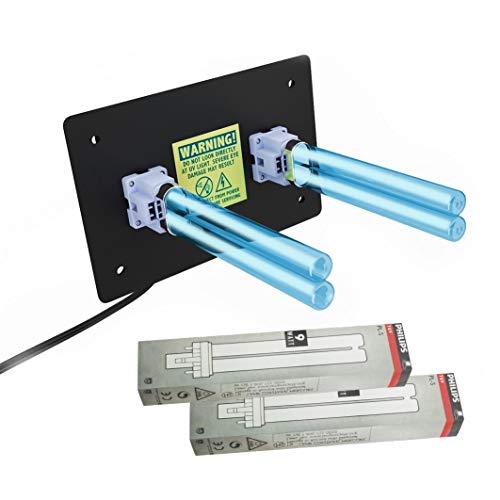
Air Purifier Whole House Uv Light in Duct for Hvac Ac (Air Conditioning) Duct Germicidal Filter + 2 replacement bulbs
Check price on Amazon
Dorman 926-541 Air Conditioning Compressor Clutch | Fits Select Models
Check price on Amazon