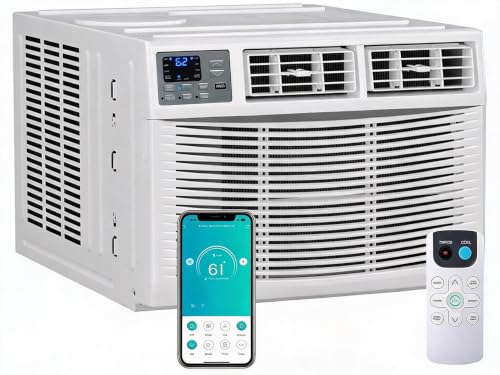
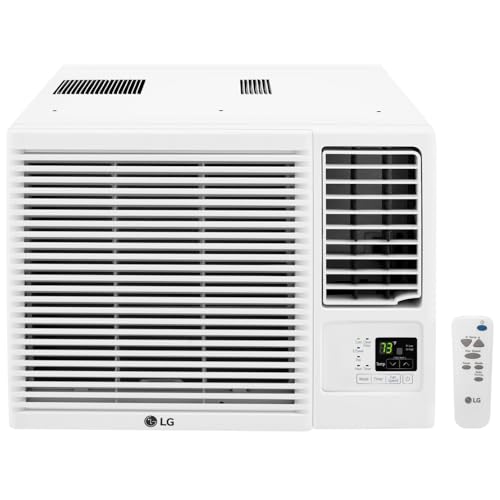
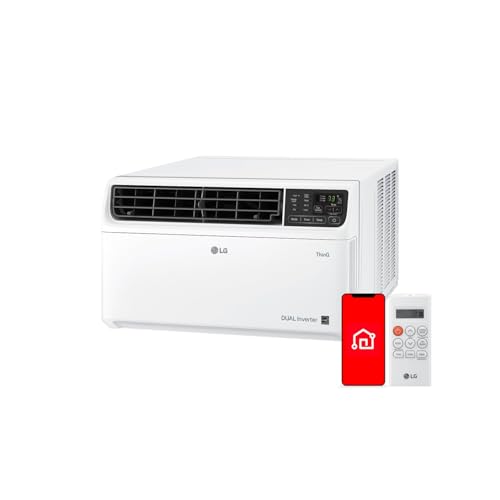
18000 BTU Air Conditioning Unit: The Complete Buyer's Guide
Everything you need to know before choosing an 18000 BTU air conditioner — room sizing, efficiency ratings, installation types, essential features, and how to match the right unit to your space.
Start With SizingWhy 18000 BTU matters: This capacity sits at the boundary between single-room comfort and whole-area coverage. It is the sweet spot for open-plan living spaces, large master suites, finished basements, and small commercial rooms. Choosing the right unit at this capacity means balancing cooling power, humidity control, efficiency, and installation method — this guide walks you through each decision in order.
What Does 18000 BTU Actually Mean?
BTU — British Thermal Unit — measures how much heat an air conditioner can remove from a space in one hour. An 18000 BTU air conditioning unit removes 18,000 BTUs of heat per hour, which translates to roughly 1.5 tons of cooling capacity. That places it firmly in the large-room category, well above the compact 5,000–8,000 BTU window units used for bedrooms and above the 12,000 BTU class used for medium rooms.
Capacity alone does not guarantee comfort. A unit that is correctly sized for the room's heat load will run in long, steady cycles that remove humidity properly and maintain even temperatures. A unit that is too large cools the air quickly but shuts off before moisture is removed, leaving the room feeling clammy. A unit that is too small runs continuously and never reaches the setpoint during peak heat. The 18000 BTU class is powerful enough for substantial spaces — but only when matched to the right room.
Room Sizing: What an 18000 BTU Unit Can Cool
As a general baseline, an 18000 BTU air conditioner is appropriate for rooms between 700 and 1,000 square feet. That range shifts based on ceiling height, insulation, window area, sun exposure, climate, and how many people occupy the space. Use the table below as a starting reference, then adjust for your specific conditions.
| Room Type | Typical Area | 18000 BTU Fit | Notes |
|---|---|---|---|
| Open-plan living area | 700 – 1,000 sq ft | Strong match | Best when the space is not divided by full walls; airflow planning matters. |
| Large master bedroom suite | 500 – 800 sq ft | Good match | Consider a quieter model; sleep comfort depends on sound levels. |
| Finished basement | 700 – 1,100 sq ft | Strong match | Basements have lower heat gain; confirm humidity control features. |
| Home office / studio | 400 – 700 sq ft | May be oversized | If occupancy is low and equipment heat is modest, a smaller unit may cycle better. |
| Small retail or salon room | 600 – 900 sq ft | Good match | Account for door traffic and equipment heat when finalizing capacity. |
| Standard bedroom | Under 500 sq ft | Usually oversized | Short cycling risk; a 12,000 BTU class unit is typically a better fit. |
Adjust upward if the room has large west-facing windows, a vaulted ceiling, poor insulation, or a hot climate. Adjust downward if the space is well shaded, heavily insulated, or in a mild climate. When in doubt, a proper load calculation — or a professional assessment — prevents the most common sizing errors. For related guidance, see our overview of choosing an air conditioner unit for a room.
Market Tiers for 18000 BTU Units
Within the 18000 BTU category, products fall into recognizable market tiers. Understanding these tiers helps you align features with your priorities without guessing. The classification below uses universal descriptors rather than any specific figures.
Essential Cooling
Focused on core cooling performance with simpler controls, standard filtration, and basic efficiency. Well-specified for the category when the priority is dependable cooling in a conditioned space.
Balanced Performance
Adds inverter modulation, improved efficiency ratings, quieter operation, and often smart controls. A solid choice for the tier when the unit will run through long cooling seasons.
Premium Comfort
Top-tier efficiency, advanced airflow design, multi-stage or variable-speed operation, enhanced filtration, and refined noise control. Feature-rich for its class.
Efficiency Ratings: SEER, SEER2, and EER
Efficiency determines how much cooling you get per unit of electricity. For an 18000 BTU unit — which draws more power than smaller classes — the efficiency rating has an outsized effect on long-term operating performance. Three ratings matter:
- SEER / SEER2: Seasonal efficiency across a range of outdoor temperatures. SEER2 is the current DOE test standard. Higher is better, and for large-capacity units the difference between a baseline and a high-efficiency model compounds over years of use.
- EER / EER2: Efficiency at a single peak-design condition. Useful for understanding performance on the hottest days, especially in hot climates.
- HSPF2: Relevant only if the unit is a heat pump that also provides heating. Higher HSPF2 means more efficient winter operation.
Aim for a SEER2 rating at or above the current DOE minimum for your region. In warmer climates, moving up a tier in efficiency is often a worthwhile long-term investment because the unit runs more hours per year. For a deeper explanation of how these ratings are calculated, read our guide on what the SEER rating means.
Installation Types Available at 18000 BTU
Not every form factor is offered at this capacity. Window units top out at lower capacities in most product lines, while mini-splits and central systems are common at 18000 BTU. Match the installation type to your building's constraints and your comfort priorities.
Ductless Mini-Split
The most common format for 18000 BTU. One outdoor condenser paired with one or more indoor heads. Excellent zoning capability, quiet indoor operation, and high efficiency. Requires wall penetration for refrigerant lines and a suitable outdoor location.
Best for homes without ductsCentral Air Conditioning
Integrated with existing ductwork to cool an entire zone or floor. Provides even temperature distribution and hides equipment from living spaces. Requires duct capacity and a professional load calculation to confirm the system matches the home.
Best for homes with existing ductsPortable Air Conditioner
Freestanding units with exhaust hose venting through a window or opening. The largest portable models approach this capacity class. Flexible placement, but exhaust setup and noise levels are trade-offs to plan for.
Best for temporary or rental spacesThrough-the-Wall / PTAC
Packaged terminal units installed through a wall sleeve, often found in hotels and some residential buildings. Fixed installation, straightforward replacement when a sleeve already exists, and independent zone control per room.
Best for replacement in existing sleevesFor homes without ductwork, a ductless system is usually the most practical route. Our guide on air conditioning options for homes without ductwork compares the alternatives in more detail. If you are considering a central system, start with the whole-house cooling troubleshooting overview to understand how distribution affects performance.
Essential Features for a Large-Capacity Unit
At 18000 BTU, the unit is likely to be a primary cooling source rather than a supplement. Prioritize features that affect daily comfort, efficiency, and longevity.
Inverter / Variable-Speed Compressor
Modulates output instead of cycling on and off. Produces steadier temperatures, better humidity control, and quieter operation. A defining feature of mid-range and high-end tiers.
Humidity Control Mode
Large rooms benefit from dedicated dehumidification settings, especially in basements and humid climates. Prevents the clammy feeling that fast cooling can leave behind.
Multi-Stage Air Filtration
Washable pre-filters plus finer media capture dust and pollen. Check filter accessibility — a unit that is easy to maintain stays efficient longer.
Smart Controls & Scheduling
Wi-Fi thermostats and app scheduling let you precondition the space efficiently and avoid running the unit in an empty room. Explore our notes on Wi-Fi-enabled air conditioners.
Low Noise Operation
Large-capacity units move more air, which can mean more sound. Look for refined fan and compressor designs if the space is a bedroom, studio, or office.
Heat Pump Capability
Many 18000 BTU mini-splits also provide heating. Check the HSPF2 rating and the unit's rated operating range if you plan to use it year-round.
Strengths and Trade-Offs of 18000 BTU Units
Strengths
- Covers large open areas and multi-zone living spaces well
- Faster pull-down after the unit starts compared with smaller classes
- Widely available in mini-split and central formats
- Good match for finished basements and home additions
- Supports efficient long-run operation when properly sized
Trade-Offs
- Oversized for typical bedrooms and small rooms
- Requires electrical planning — often a dedicated circuit
- Mini-split installation needs a qualified technician
- Noise can be noticeable in entry-level models
- Higher capacity means humidity control must be designed, not assumed
Common Mistakes When Buying an 18000 BTU Unit
Most dissatisfaction with large-capacity air conditioners traces back to a handful of avoidable decisions. Avoid these pitfalls and the unit will perform as intended.
Choosing capacity by room label alone
A "living room" can range from 300 to 1,200 square feet. Measure the actual space and account for ceiling height, sun exposure, and occupancy before deciding.
Ignoring humidity removal
An oversized unit cools the air quickly but runs short cycles that leave moisture behind. Prioritize inverter modulation and a dedicated dry mode in humid climates.
Skipping the electrical check
Many 18000 BTU systems need a dedicated circuit and may require 240V. Confirm breaker capacity and wiring before the unit arrives to avoid a stalled installation.
Placing the indoor unit poorly
Direct sunlight, nearby heat sources, and blocked airflow reduce performance. Position the indoor head for even air distribution and keep the outdoor unit clear of obstructions.
How to Decide If 18000 BTU Is Right for You
Choose 18000 BTU when:
- Your room is roughly 700–1,000 sq ft with standard ceiling height and insulation
- The space is an open-plan living area, large master suite, or finished basement
- You want a single unit to handle a full zone without ductwork
- You prefer a system that can run steadily rather than cycle quickly
- You are ready for professional installation and, if needed, electrical upgrades
Consider a smaller or larger capacity when:
- The room is under 500 sq ft — a 12,000 BTU class unit is likely a better fit
- The space exceeds 1,100 sq ft or has significant heat gain — step up in capacity or use multiple zones
- The space is rarely occupied — a smaller unit with smart scheduling may be more practical
- You only need supplemental cooling — portable or window solutions at lower capacity may suffice
Sizing is only the first step. Once you have confirmed the capacity, compare efficiency ratings, installation types, and the feature set that matters for your space. For help interpreting daily performance, our guide on why an air conditioning unit may not cool properly covers the common causes after installation. If you notice water leaking from the unit, address drainage and filter issues early to protect the system.
Frequently Asked Questions
What size room does an 18000 BTU air conditioner cool?
An 18000 BTU air conditioner is generally suitable for rooms between 700 and 1,000 square feet, depending on ceiling height, insulation quality, window area, climate, and occupancy. Open-plan living areas, large master bedrooms, and finished basements commonly fall into this range. Adjust upward for high ceilings or intense sun exposure, and downward for well-shaded, heavily insulated spaces.
Is an 18000 BTU AC unit too powerful for a bedroom?
For a standard bedroom under 500 square feet, an 18000 BTU unit is usually oversized. Oversized units cool the air quickly but short-cycle, which reduces humidity removal and increases wear on components. A smaller-capacity unit with inverter modulation is typically a better match for compact bedrooms. If the bedroom is part of a larger suite approaching 700 square feet, 18000 BTU can be appropriate.
What SEER rating should I look for in an 18000 BTU air conditioner?
For a large-capacity unit, aim for a SEER2 rating at or above the current DOE minimum for your region. Higher-efficiency mid-range and premium models often reach the high teens or low twenties, which pays off during long cooling seasons in warmer climates. Because an 18000 BTU unit draws more power than smaller classes, the efficiency tier has a meaningful effect on long-term operating performance.
Can an 18000 BTU mini-split heat and cool?
Many 18000 BTU ductless mini-split systems are heat pumps, meaning they provide both cooling and heating. Check the HSPF2 rating if heating performance matters for your climate, and confirm the unit is rated for low outdoor temperatures if winters are cold. A heat pump mini-split is a year-round solution in many regions, not just a cooling appliance.
Does an 18000 BTU AC require a dedicated circuit?
Most 18000 BTU units draw enough current to require a dedicated circuit, often 240V for mini-splits and larger window models. Always confirm the nameplate amperage and breaker requirements, and have a licensed electrician handle the electrical work. Planning the circuit before installation avoids delays and ensures the unit operates safely.
Bottom line: An 18000 BTU air conditioning unit is a powerful, versatile solution for large rooms and open areas when it is correctly sized, efficiently rated, and properly installed. Measure your space, account for heat load factors, choose an installation type that fits your building, and prioritize features that support steady, comfortable operation. For ongoing maintenance guidance, explore our resources on air conditioner service and maintenance to keep the system performing at its best season after season.