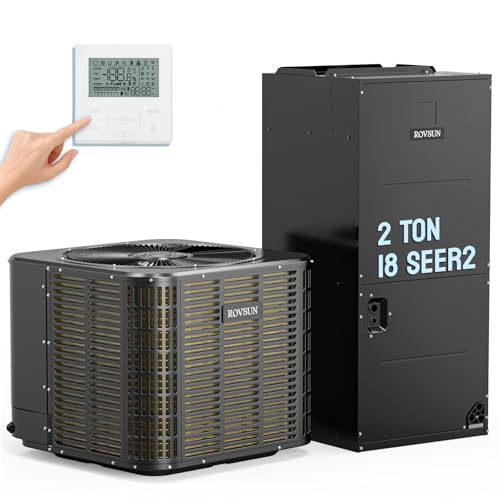
AC Unit SEER Ratings: The Complete Efficiency Guide
Understand what SEER and SEER2 ratings mean, how minimum efficiency standards work, and how to evaluate high-efficiency air conditioners before you choose a new system for your home.
START LEARNINGIn This Guide
- What Is a SEER Rating?
- SEER vs SEER2: What Changed
- Minimum Efficiency Standards by Region
- Efficiency Tiers and What They Mean
- How SEER Translates to Real-World Energy Use
- How to Choose the Right SEER Rating for Your Home
- Inverter Technology and SEER Ratings
- Maintaining Rated Efficiency Over Time
- Frequently Asked Questions
When you shop for a new air conditioner, the SEER rating is one of the most important specifications you will encounter. It tells you how efficiently a system converts electricity into cooling, and it directly influences how much energy the unit will consume over its service life. Yet many buyers find the numbers confusing, especially now that the industry has transitioned from SEER to SEER2.
This guide explains AC unit SEER ratings in plain language. You will learn how the metric is calculated, what the current federal minimums are, how the new SEER2 standard differs from the original SEER, and how to decide which efficiency tier makes sense for your climate and usage patterns. By the end, you will be equipped to compare systems with confidence and ask the right questions when you request quotes from contractors.
What Is a SEER Rating?
SEER stands for Seasonal Energy Efficiency Ratio. It measures how much cooling a system delivers over an entire cooling season relative to the electricity it consumes. In simple terms, a higher SEER means more cooling output per unit of electrical input, which typically translates to lower energy consumption during the cooling season.
The original SEER metric was calculated as the total cooling output during a typical cooling season divided by the total electrical energy input over that same period. The test procedure used a set of standardized conditions intended to represent a range of outdoor temperatures and indoor loads. While useful, the original test did not fully account for real-world installation factors such as ductwork pressure and system configuration.
SEER is related to but distinct from EER (Energy Efficiency Ratio), which measures efficiency at a single specific condition, usually a hot outdoor temperature. EER is useful for comparing performance under peak load, while SEER reflects average seasonal performance. For a broader explanation of how these metrics interact, see our guide on the SEER rating basics.
Key point: SEER is a seasonal average, not a peak-load measurement. A unit with a high SEER may still perform modestly under extreme conditions if it is not properly matched to the home. System sizing and installation quality matter as much as the rating itself.
SEER vs SEER2: What Changed
In 2023, the U.S. Department of Energy introduced SEER2, an updated version of the efficiency metric. The change was not a simple relabeling. SEER2 uses a revised testing procedure that applies higher external static pressure, simulating the resistance that real ductwork and air distribution systems place on an air conditioner. The original SEER test used lower static pressure, which tended to produce optimistic results for systems installed in typical residential ductwork.
Because the SEER2 test is more demanding, SEER2 values are generally about 4.5 to 5 percent lower than the corresponding SEER values for the same equipment. For example, a system rated at 16 SEER under the old standard might be rated around 15.2 SEER2 under the new standard. This does not mean the equipment became less efficient; it means the measurement is more realistic.
All new central air conditioners sold in the United States are now rated in SEER2. If you are comparing a new unit against an older system, you should not compare a SEER figure directly with a SEER2 figure without accounting for the difference. For a deeper comparison of the two standards and their regulatory context, see our article on SEER vs SEER2 DOE standards.
Minimum Efficiency Standards by Region
The DOE sets minimum efficiency standards that vary by region and equipment type. These standards are designed to raise the floor on efficiency nationwide while accounting for climate differences. As of the current standards, the key minimums for new residential central air conditioners are approximately as follows:
| Equipment Type | Region | Minimum Efficiency (SEER2) |
|---|---|---|
| Split-system central AC | Southern region | 14.3 SEER2 |
| Split-system central AC | Northern region | 13.4 SEER2 |
| Single-packaged AC | Southern region | 13.4 SEER2 |
| Single-packaged AC | Northern region | 13.4 SEER2 |
These are federal minimums, and individual states or local jurisdictions may adopt stricter requirements. Window air conditioners, portable units, and ductless mini-splits have their own minimum thresholds. If you are replacing an existing system, the new unit must meet the minimum standard applicable at the time of installation, even if the old unit operated at a lower efficiency level.
For homeowners in hot climates, the higher southern-region minimum reflects the greater energy impact of cooling in those areas. If you are installing a system in a state with long, humid summers, expect the minimum standard to be more demanding, and consider going beyond the minimum to capture long-term efficiency gains.
Efficiency Tiers and What They Mean
SEER ratings are often grouped into broad tiers. Rather than thinking in terms of specific numbers, it helps to understand how manufacturers position systems within the market. The following tiers describe relative positioning and are useful when comparing models without relying on monetary figures.
Entry-Level Tier
Systems that meet the current federal minimum efficiency. These units are typically straightforward single-stage or basic two-stage designs with standard features. They are a solid choice for mild climates or for homeowners who use cooling modestly.
Mid-Range Tier
Units that exceed the minimum by a meaningful margin, often featuring two-stage compressors or basic variable-speed technology. This tier usually offers a good balance of efficiency, comfort, and feature set for most homes.
Premium Tier
High-efficiency systems with advanced compressor modulation, improved coil designs, and often smart thermostat compatibility. These units are well-specified for hot climates and homes with long cooling seasons.
Top-Tier / Flagship
The most efficient models in a manufacturer's lineup, frequently featuring fully variable-speed operation, premium materials, and extensive diagnostic capabilities. These are long-term investments for homeowners prioritizing maximum efficiency and comfort.
Within each tier, actual performance depends on proper sizing, ductwork quality, refrigerant charge, and installation. A mid-range unit installed correctly can outperform a premium unit installed poorly. Use the tier framework as a starting point, not as a guarantee of real-world results.
If you are exploring specific system types, you may find our guides on inverter AC technology and variable-speed AC systems helpful for understanding how compressor modulation interacts with efficiency ratings.
How SEER Translates to Real-World Energy Use
SEER is a relative measure, not a direct prediction of your electricity bill. The actual energy a system consumes depends on how many hours it runs, the temperature difference it must maintain, the airtightness and insulation of your home, and the condition of your ductwork. Two homes with identical AC units can see very different energy use based on these factors.
That said, SEER is useful for comparing systems under standardized assumptions. If two units have the same cooling capacity and one has a higher SEER, the higher-SEER unit will generally use less electricity to deliver the same cooling output. The difference becomes more significant in climates where the AC operates for many hours per day over a long season.
Several variables influence how much of the rated efficiency you actually capture:
- Ductwork quality: Leaky or undersized ducts can erase a significant portion of a high-efficiency unit's advantage. Sealing and insulating ducts is often one of the most effective efficiency improvements you can make.
- System sizing: An oversized unit short-cycles, reducing dehumidification and efficiency. A properly sized system runs longer, steadier cycles and performs closer to its rated efficiency.
- Thermostat strategy: Programmable or smart thermostats that align cooling with occupancy patterns can reduce run time without sacrificing comfort.
- Maintenance: Dirty filters, blocked coils, and low refrigerant charge all degrade efficiency. Regular maintenance keeps the system operating near its rated performance.
For a broader treatment of how to estimate your cooling needs, our AC sizing guide explains the relationship between capacity, load, and efficiency.
How to Choose the Right SEER Rating for Your Home
Choosing a SEER tier is a balance between climate, usage, and long-term planning. There is no single rating that is right for every home. The following considerations can help you narrow the decision.
Climate: In hot, humid climates with long cooling seasons, higher-efficiency systems tend to deliver more value over time because the AC runs many hours per day. In mild climates with short cooling seasons, the difference between mid-range and premium efficiency is less pronounced in day-to-day operation.
Usage patterns: If you work from home or have family members at home during the day, your cooling load is higher and more continuous. In that case, a more efficient system may be more worthwhile than for a household that is away during peak cooling hours.
Home envelope: Before upgrading to a high-efficiency system, consider improvements to insulation, air sealing, and window treatments. A tighter, better-insulated home reduces the cooling load, which can allow a smaller and more efficient system to meet your needs.
Planned tenure: Efficiency upgrades are a long-term investment. If you plan to stay in the home for many years, the cumulative reduction in electricity consumption from a higher-efficiency unit is more likely to justify the initial outlay. If you plan to move soon, a mid-range unit may be a more practical choice.
Incentives: Federal tax credits and local utility rebates are often available for high-efficiency equipment. These programs can improve the economics of a premium-tier system. Check current HVAC tax credits and rebates for details on eligibility.
For a structured approach to comparing systems, our AC buying guide walks through the full decision process, from load calculation to contractor selection.
Inverter Technology and SEER Ratings
Inverter-driven compressors have become increasingly common in high-efficiency systems. Unlike traditional single-speed compressors that cycle on and off, inverter compressors can modulate their speed continuously, matching output to the actual cooling load. This modulation improves part-load efficiency, which is where SEER ratings are most influenced.
Because SEER is a seasonal average that weights part-load performance heavily, inverter systems often achieve higher SEER ratings than single-stage systems of similar capacity. They also tend to provide more stable temperatures and better humidity control, which many homeowners value as much as the efficiency gains.
If you are considering an inverter system, our guide on inverter vs non-inverter AC compares the two approaches in detail, including maintenance considerations and comfort differences.
Maintaining Rated Efficiency Over Time
An AC unit only delivers its rated efficiency if it is properly maintained. Over time, several factors can erode performance:
- Dirty filters: Restricted airflow forces the system to work harder and can reduce capacity. Replace or clean filters according to the manufacturer's schedule.
- Coil fouling: Dust and debris on the evaporator and condenser coils reduce heat transfer. Periodic coil cleaning helps maintain efficiency.
- Refrigerant charge: A system that is undercharged or overcharged will not perform at its rated efficiency. Refrigerant levels should be checked by a qualified technician during annual service.
- Duct leakage: Leaky ducts in unconditioned spaces can waste a substantial portion of the cooling you are paying for. Sealing ducts is often a high-return improvement.
- Thermostat calibration: An inaccurate thermostat can cause the system to run longer or shorter than necessary. Smart thermostats can help maintain consistent settings and provide usage insights.
Regular maintenance is not just about efficiency; it also extends equipment life and reduces the likelihood of costly repairs. For a seasonal checklist, see our AC maintenance checklist. If you notice performance issues such as AC not cooling or frozen coils, address them promptly to avoid further efficiency loss.
Ready to Compare High-Efficiency Systems?
Explore recommended air conditioners with strong SEER ratings and features suited to your climate and home. Our curated selection highlights models across efficiency tiers so you can compare options side by side.
View Recommended ModelsFrequently Asked Questions
What is a good SEER rating for an air conditioner?
A good SEER rating depends on your climate and goals. In general, the federal minimum for new split-system central ACs is 14 SEER in northern states and 14.3 SEER2 in southern states. Ratings of 16 to 18 SEER are considered solid mid-range efficiency, while 20 SEER and above represent premium efficiency. Higher ratings mean more cooling per unit of electricity, which matters most in hot climates with long cooling seasons.
What is the difference between SEER and SEER2?
SEER2 is the updated version of the SEER metric, introduced by the U.S. Department of Energy in 2023. SEER2 uses a more realistic testing procedure with higher external static pressure, which better reflects real-world ductwork conditions. As a result, SEER2 values are typically about 4.5 to 5 percent lower than the older SEER values for the same equipment. All new AC units sold in the U.S. are now rated in SEER2.
Does a higher SEER rating always mean lower energy bills?
A higher SEER rating generally means the unit uses less electricity to deliver the same cooling, but actual savings depend on several factors: your local climate, how well your home is insulated and sealed, ductwork quality, thermostat habits, and how long the cooling season lasts. In hot climates with heavy AC use, the efficiency difference between a mid-range and premium unit becomes more meaningful over time. In mild climates, the gains are smaller.
Is a high SEER AC worth the investment?
A high-efficiency AC is a long-term investment. Whether it is worthwhile depends on your climate, how long you plan to stay in the home, and local utility rates. In hot climates where the AC runs for many hours per day, a premium-efficiency unit can reduce electricity consumption noticeably over its lifespan. In milder climates, a mid-range unit often delivers a better balance of efficiency and initial outlay. Also consider available tax credits and rebates for high-efficiency equipment.
What SEER rating is required for new air conditioners?
As of 2023, the U.S. Department of Energy requires new central split-system ACs to meet a minimum of 14.3 SEER2 in the southern region and 13.4 SEER2 in the northern region. For single-packaged units, the minimums are 13.4 SEER2 in the south and 13.4 SEER2 in the north. Window and portable units have separate minimums. Always check current local codes, as some states adopt stricter standards.
Final Thoughts
SEER ratings are a valuable tool for comparing air conditioners, but they are not the whole story. A high rating indicates that a system is designed to operate efficiently under standardized conditions, yet real-world performance depends on proper sizing, installation quality, ductwork, and maintenance. The most efficient system in the world will underperform if it is not matched to the home.
Use this guide to understand the landscape of efficiency tiers, then work with a qualified contractor to perform a load calculation and recommend a system that fits your home and climate. If you are ready to explore specific models, the recommendations below highlight systems across efficiency tiers so you can compare features and capabilities.