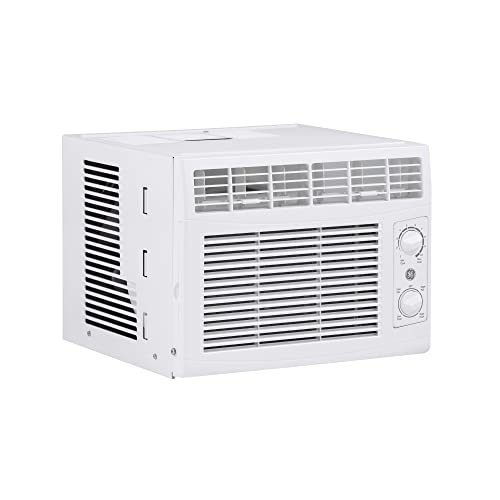
Air Conditioning Unit That Does Not Need a Window
Discover cooling solutions for rooms without window access. Compare ductless mini-splits, portable ACs, and other windowless systems to find the right fit for your home, apartment, or rental.
Why this guide matters: Many homes, apartments, basements, and interior rooms lack a suitable window for a traditional air conditioner. Fortunately, several proven cooling systems can work without one. This guide explains each option, who it suits best, and what to check before you buy — so you can cool your space with confidence.
Why You May Need an AC Without a Window
Not every room has a window that can accommodate a standard window air conditioner. Common situations include:
- Basements and interior rooms that have no exterior window at all.
- Casement or sliding windows that cannot hold a traditional window unit.
- Renters who are not allowed to modify window frames or install heavy units.
- Homeowners who want a cleaner look without blocking a view or natural light.
- Older homes where window frames are fragile or non-standard.
If your situation matches any of these, the good news is that modern cooling technology offers several strong alternatives. For broader context on how these systems compare to standard units, see our guide on air conditioning units without a window.
1. Ductless Mini-Split Systems
Ductless Mini-Split AC Premium Tier
Ductless mini-splits are the gold standard for windowless cooling. A small indoor air handler mounts on a wall, ceiling, or floor, and connects to an outdoor condenser through a hole roughly 3 inches in diameter in an exterior wall. No window is required, and no ductwork is needed.
Modern inverter-driven models deliver quiet operation, precise temperature control, and high energy efficiency. Many systems also include heat pump functionality for year-round comfort. For a deeper look at how they work, read our overview of ductless mini-split AC systems.
Advantages
- No window needed — only a small wall hole
- Quiet indoor operation
- High efficiency with inverter technology
- Heating and cooling in one system
- Multi-zone options for several rooms
Considerations
- Professional installation recommended
- Higher upfront investment than portable units
- Requires an exterior wall for the line set
2. Portable Air Conditioners
Portable AC with Vent Kit Balanced Tier
Portable air conditioners are freestanding units on casters. They still need to exhaust hot air, but they do not require a traditional window. Most models ship with a window kit, and many can be adapted to vent through a sliding door, a casement window, a wall opening, or a drop ceiling using third-party kits.
For rooms with no window at all, some users route the exhaust hose through a small wall vent or a dedicated opening. This makes portable units a practical choice for renters and temporary setups. Explore our full category on portable air conditioners for more buying context.
Advantages
- No permanent installation required
- Moves easily between rooms
- Works with door and casement vent kits
- Renter-friendly
Considerations
- Still needs some exhaust path
- Louder than mini-splits
- Single-hose models can reduce efficiency
3. Floor-Mounted AC Units
Floor-Mounted Split System Premium Tier
Floor-mounted split systems are a variation of ductless technology. The indoor unit sits low on the wall or floor and connects to an outdoor condenser through a small wall penetration. They are especially useful in rooms with limited upper wall space, such as attic conversions or rooms with sloped ceilings.
Like wall-mounted mini-splits, floor-mounted units require no window. They deliver strong airflow and are available in inverter configurations for efficient operation. Learn more in our guide on floor-mounted AC units.
Advantages
- No window required
- Great for low-wall or sloped-ceiling rooms
- Quiet and efficient
Considerations
- Professional installation needed
- Floor space must be available
4. Evaporative Coolers (Swamp Coolers)
Evaporative Cooler Essential Tier
Evaporative coolers use water evaporation to lower air temperature. They do not use refrigerant and do not require an exhaust hose, which makes them one of the few options that can operate without any window or wall vent.
However, they only work well in dry climates. In humid regions, they add moisture and can make the room feel uncomfortable. They are best treated as a supplemental cooling solution rather than a full replacement for refrigerant-based AC in most US homes.
Advantages
- No exhaust hose or window needed
- Low energy draw
- Adds moisture in dry air
Considerations
- Only effective in dry climates
- Not a true refrigerant AC replacement
- Requires regular water refills
5. Through-the-Wall Air Conditioners
Through-the-Wall AC Balanced Tier
Through-the-wall units are installed into a sleeve built into an exterior wall. They do not need a window, but they do require a permanent wall opening. This makes them a good fit for new construction, renovations, or rooms where a window is unavailable but an exterior wall is accessible.
They are more permanent than portable units and generally quieter. For more details, see our category on through-the-wall air conditioners.
Advantages
- No window needed
- Permanent, clean installation
- Generally quieter than portable units
Considerations
- Requires wall modification
- Best planned during construction or renovation
Side-by-Side Comparison
The table below summarizes how each windowless cooling option compares on the factors that matter most during the research stage.
| Option | Window Required? | Installation | Best For | Market Tier |
|---|---|---|---|---|
| Ductless Mini-Split | No (small wall hole) | Professional | Whole-room, permanent cooling | Premium |
| Portable AC | No (needs exhaust path) | DIY-friendly | Renters, temporary setups | Balanced |
| Floor-Mounted Split | No (small wall hole) | Professional | Low-wall or sloped-ceiling rooms | Premium |
| Evaporative Cooler | No | DIY-friendly | Dry climates, supplemental cooling | Essential |
| Through-the-Wall AC | No (wall sleeve) | Professional | Renovations, permanent installs | Balanced |
How to Choose the Right Windowless AC
Before committing to any system, work through the following checklist:
- Confirm your exhaust options. Even "windowless" systems need some path for hot air or refrigerant lines. Identify whether you have an exterior wall, a sliding door, or a casement window that can accept a vent kit.
- Measure your room. Use a BTU sizing guide to match cooling capacity to square footage. An undersized unit will struggle, while an oversized unit may short-cycle. Our AC sizing guide walks through the calculation.
- Consider climate. Evaporative coolers only make sense in dry regions. In humid climates, refrigerant-based systems are the reliable choice.
- Think about permanence. If you rent or move frequently, a portable unit is more flexible. If you own your home, a mini-split or through-the-wall unit adds long-term comfort.
- Check the electrical setup. Larger mini-splits may need a dedicated circuit. Portable units typically run on standard household outlets. Review our guide on 110V vs 240V AC units if you are unsure.
- Plan for maintenance. All systems need filter cleaning and periodic service. Regular upkeep keeps performance strong and extends lifespan. See our AC service and maintenance guide for a simple routine.
If you are still exploring broader cooling categories, our overview of air conditioning options for homes without ductwork covers additional paths, including high-velocity systems and more.
Ready to Compare Windowless Cooling Options?
Scroll down to see recommended air conditioning units that do not need a window, curated for different room sizes and installation needs.
Frequently Asked Questions
Can a portable air conditioner work without a window?
A portable air conditioner still requires a way to exhaust hot air, but it does not need a traditional window. It can vent through a sliding door, a casement window with a special kit, a drop ceiling, or a wall opening. Fully windowless operation is only possible with ductless mini-splits or evaporative coolers.
What is the best air conditioning unit that does not need a window?
The best option for most homes is a ductless mini-split. It installs through a small wall hole, delivers quiet and efficient cooling, and serves one or multiple rooms. For renters, a portable AC with a door or casement vent kit is the most practical windowless solution.
Do ductless mini-splits need a window?
No. Ductless mini-splits use a small hole in an exterior wall for refrigerant lines and wiring. No window is required, and no ductwork is needed. This makes them ideal for rooms without window access or for homeowners who want a clean, permanent installation.
Are there air conditioners that need no exhaust at all?
Evaporative coolers, also called swamp coolers, do not need an exhaust hose, but they only work in dry climates. They add moisture to the air and are not suitable for humid regions. For true refrigerant-based cooling, some exhaust or outdoor condenser unit is always required.
Can I install a mini-split myself?
Mini-split installation involves refrigerant handling, vacuuming the line set, and electrical work. In most regions, this requires licensed professionals and permits. DIY installation is not recommended for refrigerant-based systems and may void warranties. Always confirm local codes before proceeding.