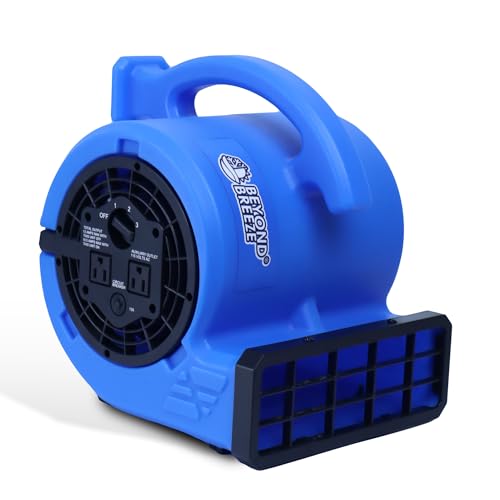
Blower Fan for AC Unit: The Complete Guide
Understand how the blower fan moves cooled air through your home, how to diagnose weak airflow, and how to choose the right replacement for your system.
START READINGWhy the blower fan matters: Your air conditioner can produce perfectly chilled refrigerant, but without a working blower fan, that cooled air never leaves the air handler. The blower is the component that turns a cold coil into comfortable rooms — and when it underperforms, every room feels the difference.
What Is a Blower Fan in an AC Unit?
A blower fan is the centrifugal fan assembly located inside your indoor air handler or furnace cabinet. Its job is straightforward but essential: it pulls warm room air across the evaporator coil, where the air is cooled and dehumidified, then pushes that conditioned air into the supply ductwork and out through the vents in each room.
The assembly typically consists of three main parts:
- Blower motor — the electric motor that drives the fan, available in PSC (permanent split capacitor) and ECM (electronically commutated motor) designs.
- Blower wheel (squirrel cage) — the cylindrical fan with curved blades that accelerates and directs air.
- Housing and mounting — the metal enclosure that channels airflow and isolates vibration.
In a typical split system, the blower fan is part of the air handler unit. If you are still mapping out the components of your system, our overview of how air moves from the coil to your rooms is a helpful starting point. Because the blower is the single largest electricity consumer in most air handlers, its design directly affects comfort, noise, and energy use.
How the Blower Fan Moves Air Through Your Home
Airflow in a cooling cycle follows a continuous loop:
- Warm return air enters the air handler through the return duct and filter.
- The blower fan pulls that air across the evaporator coil.
- Heat and moisture transfer from the air into the refrigerant, cooling and dehumidifying it.
- The blower pushes the conditioned air into the supply plenum and through the duct network.
- Air exits through registers and returns to the living space, completing the loop.
Because the blower sits between the coil and the ducts, its speed and static pressure determine how evenly the whole system performs. A fan that is too slow leaves the coil cold and starves distant rooms; a fan that is too fast can push air past the coil too quickly, reducing dehumidification. If you notice air not blowing through vents in the house, the blower is one of the first components to inspect.
Types of Blower Fans Used in AC Systems
Not all blower fans are built the same. The motor technology and wheel design determine efficiency, noise, and how well the fan matches your ductwork.
PSC Blower Motors
Permanent split capacitor motors are the traditional workhorse. They are simple, robust, and widely available, running at a limited number of fixed speeds. A PSC blower is a solid choice in entry-level and mid-range systems where the duct design is straightforward. They are less efficient than modern alternatives and tend to run at a constant speed regardless of demand.
ECM and Variable-Speed Blower Motors
Electronically commutated motors use onboard electronics to vary speed precisely. They deliver better comfort because they can run at low, steady airflow for longer periods, improving humidity control and reducing temperature swings. ECM blowers are common in premium and high-end tier systems and are a strong long-term investment for homeowners focused on efficiency. They also tend to be quieter at low speeds.
Blower Wheel Designs
The squirrel-cage wheel is the standard design in residential air handlers. Blade geometry, wheel diameter, and housing shape all influence airflow capacity and sound. Some premium units use backward-curved or double-inlet wheels for higher static pressure and quieter operation in restrictive duct systems.
| Motor Type | Best For | Airflow Control | Noise Profile |
|---|---|---|---|
| PSC (starter tier) | Standard single-zone homes with simple ducts | Fixed speeds | Moderate |
| Constant-torque ECM (mid-tier) | Homes needing better humidity control | Multi-speed, programmable | Low to moderate |
| Variable-speed ECM (high-end tier) | Zoned homes and comfort-focused owners | Fully variable | Very low at low speeds |
Sizing and Airflow: Matching the Blower to Your System
Blower selection is not a guess. The fan must deliver roughly 350 to 450 cubic feet per minute (CFM) of airflow per ton of cooling capacity. A 3-ton system, for example, typically needs around 1,050 to 1,350 CFM. Undersized airflow causes coil freeze-up and poor cooling, while oversized airflow reduces dehumidification and can create noisy vents.
Two values matter most when specifying a replacement:
- CFM rating — the volume of air the fan can move at a given static pressure.
- External static pressure — the resistance from ducts, filters, and coils that the fan must overcome.
If your system was sized correctly from the start, the simplest path is to match the original motor specifications. If you are reconsidering system capacity or duct layout, use our BTU calculator by room size and an air handler review to confirm the right airflow target before you shop.
Signs Your AC Blower Fan Is Failing
Blower problems rarely appear out of nowhere. Watch for these symptoms before they escalate into a full breakdown:
- Weak or inconsistent airflow from supply vents, especially in far rooms.
- Unusual noises — rattling from a loose wheel, screeching from worn bearings, or humming from a failing capacitor.
- The fan does not start when cooling is called for, or starts intermittently.
- Frequent overheating shutdowns as the motor struggles against drag.
- Uneven temperatures between rooms that were previously balanced.
- Ice on the indoor coil, often a downstream effect of low airflow.
Some of these overlap with refrigerant and thermostat issues. If your system is running but the air is not cold, compare blower symptoms with our guide to air blowing but not cold in the house to narrow down the cause.
Blower Fan Maintenance That Prevents Breakdowns
Most blower failures are preventable with routine care. A clean, balanced fan runs cooler, quieter, and longer.
Clean the Blower Wheel
Dust and debris accumulate on the curved blades, gradually reducing airflow and throwing the wheel out of balance. During annual service, the wheel should be removed or cleaned in place with a soft brush and mild cleaner. A dirty wheel is one of the most common hidden causes of declining airflow.
Replace Air Filters on Schedule
A clogged filter raises static pressure and forces the blower to work harder. Check your air unit filter monthly during heavy cooling season and replace it according to the manufacturer's guidance. This single habit protects the motor more than any other maintenance step.
Inspect Motor Bearings and Mounts
Listen for grinding or squealing during startup. Worn bearings and degraded rubber mounts cause vibration that accelerates wear on the wheel and housing. Many PSC motors have lubrication ports; ECM motors are typically sealed and should be replaced rather than lubricated.
Check Electrical Connections
Loose wiring and failing run capacitors are frequent causes of intermittent blower operation. A technician can test capacitor values and torque connections during an annual central air conditioner maintenance visit.
Verify Airflow After Duct Changes
If you add registers, extend ducts, or change filter types, have static pressure re-measured. Small changes in duct resistance can push a marginal blower outside its efficient operating range.
Choosing a Replacement Blower Fan
When a blower motor fails, you have three realistic paths: replace just the motor, replace the motor and wheel together, or replace the entire air handler. The right choice depends on the age of the system and the condition of surrounding components.
Match These Specifications
- Horsepower and voltage — must match the original motor's electrical requirements.
- Motor type — PSC, constant-torque ECM, or variable-speed ECM.
- Speed taps and wiring — confirm the number of speed leads and connector type.
- Shaft and mounting — diameter, length, and mounting orientation.
- Rotation direction — a reversed wheel moves far less air than expected.
- Wheel dimensions — width, diameter, and bore must fit the housing and shaft.
Repair or Replace the Whole Unit?
If the air handler is more than 15 years old and the blower is failing alongside coil or control board issues, replacing the full unit often makes more sense than a piecemeal repair. If the rest of the system is healthy, a motor-and-wheel swap is a sound, contained repair. Our guide on annual maintenance for central air conditioner systems explains how to judge overall equipment health before committing.
Professional Installation Matters
Blower replacement involves line voltage, precise wiring, and airflow verification. Unless you are experienced with HVAC electrical work, a licensed technician should handle the swap, confirm the new motor matches the system's static pressure curve, and test airflow after installation.
Explore Blower Fan OptionsQuick Troubleshooting Reference
| Symptom | Likely Cause | First Step |
|---|---|---|
| Fan hums but does not spin | Failed run capacitor or seized bearings | Test capacitor; inspect shaft rotation |
| Weak airflow at all vents | Clogged filter, dirty wheel, or low motor speed | Replace filter, then inspect wheel |
| Rattling or scraping noise | Loose wheel, debris in housing, worn mount | Shut off power and inspect housing |
| Fan runs only on one speed | Failed speed tap, control board, or relay | Check wiring and control signals |
| Coil freezes repeatedly | Low airflow from blower or duct restriction | Measure static pressure and CFM |
Frequently Asked Questions
What does a blower fan do in an AC unit?
The blower fan moves conditioned air from the evaporator coil through the ductwork and into your rooms. Without it, cooled air would stay trapped inside the air handler and never reach your living space.
How do I know if my AC blower fan is failing?
Common signs include weak airflow from vents, unusual rattling or screeching sounds, the fan not starting, frequent overheating shutdowns, and uneven cooling between rooms.
Can I replace an AC blower fan myself?
Replacing a blower motor is possible for experienced DIYers with electrical knowledge, but it involves high voltage, precise wiring, and correct sizing. Hiring a licensed HVAC technician is safer and protects your warranty.
What is the difference between a blower fan and a condenser fan?
The blower fan sits indoors inside the air handler and circulates cooled air through ducts. The condenser fan sits outdoors on the condensing unit and releases heat absorbed from your home into the outside air.
Bottom line: The blower fan is the heart of your indoor airflow. Matching it correctly to your duct system, keeping it clean, and replacing it with the right motor type when it fails will keep your home comfortable and your system efficient for years. If you are still comparing system components before a larger purchase, our air handler guide and air unit filter reference will help you understand the full picture.