Central Air Conditioner Leaking Water Inside: Causes, Fixes & Prevention
Discover why your central AC is leaking water indoors, how to diagnose the root cause, and the most effective solutions to protect your home from water damage.
FIND THE CAUSEQuick Summary: A central air conditioner leaking water inside the house is almost always caused by a condensation management problem—a clogged drain line, a frozen evaporator coil, a failing condensate pump, or a damaged drain pan. While some causes are simple DIY fixes, others signal a deeper system issue that requires a licensed HVAC technician. This guide walks you through every scenario so you can act quickly and confidently.
Why Does a Central AC Leak Water Inside?
A central air conditioning system produces condensation as part of its normal operation. The indoor evaporator coil absorbs heat and moisture from your home's air, and that moisture collects on the coil, drips into a drain pan, and exits through a condensate drain line. When any part of this chain fails—or when the coil freezes and later thaws—water ends up where it shouldn't: on your floor, ceiling, or inside your walls.
Understanding the underlying mechanism helps you narrow down the cause. The most common culprits fall into a few categories: drainage problems, airflow restrictions, mechanical failures, and installation issues. If you notice water near your indoor air handler or staining on the ceiling below it, it's worth investigating immediately. For related issues where the system runs but air doesn't reach your rooms, see our guide on a central air conditioner not blowing any air inside the house.
7 Common Causes and How to Fix Them
Below are the most frequent reasons a central AC leaks water indoors, along with practical repair guidance. Always turn off the system at the thermostat and, if possible, the breaker before inspecting any components.
1. Clogged Condensate Drain Line
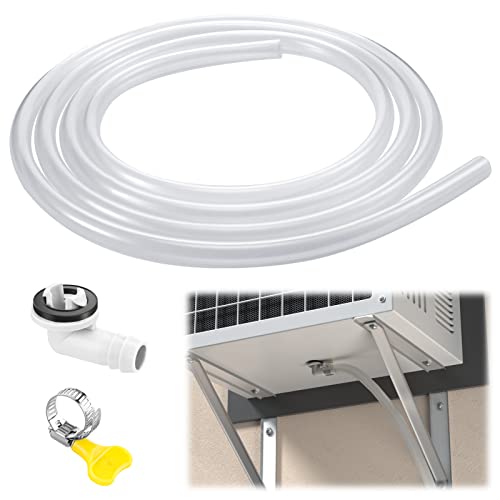
The condensate drain line carries water from the drain pan to the outside or to a floor drain. Over time, dust, dirt, algae, and biofilm build up inside the line and block the flow. When the line is clogged, water backs up in the drain pan and overflows. This is the single most common cause of indoor AC water leaks.
2. Frozen Evaporator Coil
When airflow is restricted or refrigerant is low, the evaporator coil can drop below freezing. Frost builds up on the coil, and when the system cycles off—or when the ice thaws—a large volume of water can suddenly overflow the drain pan. A frozen coil is often accompanied by weak airflow and a system that seems to run constantly.
3. Faulty Condensate Pump
If your air handler is in a basement or a location where gravity drainage isn't possible, a condensate pump moves water uphill to a drain. A failing pump—clogged, jammed, or electrically faulty—will stop moving water, causing the reservoir or drain pan to overflow.
4. Cracked or Rusted Drain Pan
The drain pan sits beneath the evaporator coil and collects condensation. Over years of service, pans can rust, crack, or develop pinhole leaks—especially in humid climates. A damaged pan will drip directly onto the floor or into the ceiling cavity.
5. Dirty Air Filter or Restricted Airflow
A severely clogged air filter, closed supply registers, or crushed ductwork reduces airflow across the evaporator coil. This causes the coil temperature to drop and promotes freezing. Once ice forms and thaws, the pan can overflow. Restricted airflow also strains the blower motor.
6. Improper Installation or Slope
The drain pan and drain line must be pitched correctly so water flows away from the unit. If the air handler is not level or the drain line runs uphill, water pools and eventually overflows. Poorly sealed or disconnected drain fittings can also leak inside the cabinet.
7. Refrigerant Leak Causing Coil Ice
Low refrigerant pressure causes the evaporator coil to run colder than normal, leading to ice formation and subsequent water overflow when the ice melts. This is a sealed-system issue that cannot be resolved by simply adding refrigerant—the leak itself must be located and repaired.
Quick Diagnostic Table
Use the table below to match your symptoms with the most likely cause and the appropriate next step. Remember that safety comes first—if water is near electrical components, shut off power at the breaker before investigating.
| Symptom | Most Likely Cause | Recommended Action |
|---|---|---|
| Water dripping steadily near indoor unit | Clogged drain line or damaged pan | Clear drain line; inspect pan |
| Ice on the indoor coil or refrigerant lines | Restricted airflow or low refrigerant | Replace filter; call technician if it recurs |
| Water only after long cooling cycles | Partially clogged drain or undersized pan | Clean drain line; verify pan condition |
| Water in basement near air handler | Condensate pump failure | Test pump; replace if faulty |
| Ceiling stains below attic unit | Overflowing pan or disconnected drain | Shut off system; call technician promptly |
| Musty odor with water | Standing water and biological growth | Dry area; clean drain and pan; consider coil cleaning |
When to Call an HVAC Professional
While drain line clogs and dirty filters are within reach for most homeowners, several situations demand professional attention. Call a licensed technician if:
- You suspect a refrigerant leak (ice formation recurs after thawing, or cooling performance is poor).
- The drain pan is cracked or rusted through.
- Water has reached electrical components, insulation, or ceiling drywall.
- The condensate pump fails and you're not comfortable replacing it.
- The system was recently installed and the leak is persistent.
Ignoring a persistent leak can lead to mold growth, rotted wood, stained ceilings, and even electrical hazards. If your system has other operational issues, our overview of common AC problems can help you identify what's going on before the technician arrives.
Prevention Tip: Schedule a professional maintenance visit before each cooling season. A technician will flush the drain line, check the pan, test the condensate pump, and verify refrigerant charge—catching small issues before they become indoor water leaks. Regular coil cleaning also helps; see cleaning coils on a central air conditioner.
Prevention Checklist for Homeowners
Most indoor AC water leaks are preventable with a simple seasonal routine. Follow these steps to keep condensation flowing where it should:
- Replace the air filter every 1–3 months, or more often in dusty homes with pets.
- Flush the condensate drain line at the start of cooling season using a mixture of water and white vinegar.
- Inspect the drain pan for rust, cracks, or standing water.
- Test the condensate pump (if equipped) by pouring a cup of water into the reservoir and confirming it activates.
- Keep supply and return vents unobstructed by furniture, rugs, or curtains.
- Check the air handler for level positioning and secure drain connections.
- Schedule annual professional maintenance to catch refrigerant and coil issues early.
If you're also dealing with poor cooling performance, our guide on a central air conditioner not blowing cold air covers additional diagnostics that pair well with leak troubleshooting.
Frequently Asked Questions
Why is my central air conditioner leaking water inside the house?
Can I fix a central AC water leak myself?
How dangerous is a central AC leaking water inside?
Why is my AC leaking water only when it runs for a long time?
Can a dirty filter cause my central AC to leak water?
Final Thoughts
A central air conditioner leaking water inside is a common problem with a manageable set of causes. In most cases, the fix starts with the condensate drain line, the air filter, or the drain pan. By understanding how your system manages condensation, you can diagnose the issue quickly and decide whether it's a DIY fix or a job for a professional.
Regular maintenance is your best defense. Flush the drain line each season, replace filters on schedule, and have a technician inspect the system annually. If water has already caused ceiling stains or reached electrical components, shut the system down and call a licensed HVAC professional immediately. Your home—and your comfort—depend on a properly draining system.