Cleaning Coils on Central Air Conditioner: The Complete Guide
Dirty coils are one of the most common causes of weak cooling, high energy use, and premature compressor wear. This guide explains how central AC coils work, how to clean evaporator and condenser coils safely, and when to call a professional.
Why this matters: A central air conditioner relies on two heat-exchange coils to move heat from inside your home to the outdoors. When either coil becomes coated with dust, pollen, or biofilm, heat transfer drops, airflow weakens, and the system runs longer than it should. Regular coil cleaning is one of the highest-impact maintenance tasks a homeowner can perform, and it directly protects the compressor, the most valuable component in the system.
How Central AC Coils Work
A central air conditioner is a split system. The indoor unit, usually called the air handler or furnace cabinet, houses the evaporator coil. The outdoor unit houses the condenser coil. Refrigerant travels between the two through copper lines, absorbing heat indoors and releasing it outdoors.
The evaporator coil is cold. Warm household air passes across its fins, and the refrigerant inside absorbs the heat. Moisture in the air condenses on the coil and drains away. The condenser coil is hot. Outdoor air passes across it and carries the absorbed heat away. Both coils use closely spaced aluminum fins to maximize surface area, and those fins are exactly where dust, lint, pollen, and cottonwood collect.
Because the two coils operate in different environments, they collect different types of fouling. The evaporator coil deals with indoor dust, pet hair, and moisture that can encourage biological growth. The condenser coil deals with outdoor debris such as grass clippings, leaves, pollen, and dirt splashed up from the ground.
Warning Signs That Your Coils Need Cleaning
Coils rarely fail suddenly. They degrade gradually, and the symptoms are easy to dismiss as "just a hot day." Watch for these signals:
- Weak airflow from vents. A clogged evaporator coil restricts airflow even when the blower is running normally.
- Cooling takes longer. The system runs for extended periods without reaching the thermostat setpoint.
- Higher energy consumption. Longer run times and a harder-working compressor show up on the utility bill.
- Ice on the indoor coil or refrigerant lines. Restricted airflow from a dirty evaporator coil can cause the coil to freeze.
- Musty or damp odors. Moisture trapped on a fouled evaporator coil encourages microbial growth.
- Visible debris on the outdoor unit. Grass clippings, lint, and cottonwood fluff packed into the condenser fins.
- Warm air at the vents despite the compressor running. This can indicate a coil problem, though it also has other causes such as low refrigerant.
If your system is running but not cooling properly, it is worth reviewing a broader troubleshooting guide such as central air conditioner not blowing cold air before assuming the coils are the only issue. Coil cleaning solves one specific problem; it does not fix refrigerant leaks or failed capacitors.
Evaporator vs Condenser Coils: What Is Different
Both coils need cleaning, but the approach differs. The table below summarizes the practical differences.
| Factor | Evaporator Coil | Condenser Coil |
|---|---|---|
| Location | Indoor air handler or furnace cabinet | Outdoor condensing unit |
| Typical fouling | Indoor dust, pet hair, lint, biofilm | Pollen, grass, leaves, dirt, cottonwood |
| Access difficulty | Moderate to high; often needs panel removal | Low; usually reachable after shutting off power |
| Cleaning method | No-rinse foaming cleaner, soft brush, gentle rinse with drain protection | Garden hose rinse from inside out, soft brush, coil cleaner if needed |
| DIY suitability | Professional-grade task for most homeowners | Reasonable DIY task with care |
| Main risk | Bent fins, water in the ductwork, damaged drain pan | Bent fins, water in electrical components |
For a deeper look at the indoor coil specifically, see the guide on cleaning AC evaporator coils. If you want to understand the outdoor coil hardware first, the overview of condenser coils on an AC unit is a useful primer.
Tools and Supplies You Need
Gather everything before you start. Coil cleaning goes faster when you are not searching for a brush with wet hands.
Basic Cleaning Kit
Garden hose with a gentle spray nozzle, soft-bristle fin brush, coil cleaner rated for the coil type, Nitrile gloves, safety glasses, and a shop vacuum with a soft brush attachment.
Upgraded Kit
Fin comb for straightening bent fins, plastic coil cleaning bag or drain pan shield for indoor use, no-rinse foaming evaporator cleaner, and a pump sprayer for controlled application.
Professional-Grade Kit
Low-pressure coil cleaning pump, commercial-grade no-rinse cleaner, fin straightening tools in multiple sizes, moisture meter, and a wet/dry vacuum with a dedicated coil nozzle.
Never Skip
Disconnect power at the breaker and the outdoor disconnect before touching either coil. Wear gloves and eye protection. Avoid high-pressure spray that can bend fins or drive water into electrical components.
Cleaning Condenser Coils Step by Step
The condenser coil is the more accessible of the two and a reasonable starting point for a careful homeowner. The goal is to remove debris from the outside of the fins and flush it out without bending the fins or soaking electrical parts.
- Turn off power. Switch off the air conditioner at the thermostat, then shut off the dedicated breaker. If the outdoor unit has a pull-out disconnect, remove it and keep it with you so no one restores power while you work.
- Clear the area around the unit. Remove leaves, grass clippings, and stored items within a few feet of the cabinet. Good airflow starts with a clear perimeter.
- Remove the top grille or side panels. On most units, a few screws release the top fan grille or the side access panel. Keep the screws in a container so they do not get lost in the grass.
- Vacuum loose debris first. Use a shop vacuum with a soft brush to lift pollen, lint, and cottonwood from the outside face of the fins. Vacuuming first means the rinse does less work and debris does not get pushed deeper into the coil.
- Rinse from the inside out. With the panels off, spray water from the inside face of the coil toward the outside. This pushes debris out the way it came in instead of driving it deeper. Use a gentle nozzle setting, not a narrow jet.
- Apply coil cleaner if needed. For stubborn grime, apply a no-rinse condenser coil cleaner according to the product directions. Let it dwell for the specified time, then rinse thoroughly. Never let cleaner dry on the fins.
- Straighten bent fins. Use a fin comb sized to the fin spacing to gently comb bent fins back into alignment. Straight fins restore airflow across the coil surface.
- Inspect the fan blade and motor area. Wipe debris from the fan blades and check that the motor mount is secure. Do not spray water directly into the motor.
- Reassemble and restore power. Replace panels and screws, reinstall the disconnect, and turn the breaker back on. Run the system and confirm normal operation and airflow.
If you notice water pooling near the outdoor unit or unusual noises after cleaning, review common AC problems before assuming the cleaning caused the issue.
Cleaning Evaporator Coils Step by Step
The evaporator coil sits inside the air handler or above the furnace. It is more delicate than the condenser coil, and a mistake can send water into ductwork or damage the drain pan. Many homeowners choose to handle the accessible parts and leave the deep cleaning to a technician.
- Shut off power at the breaker. Confirm the indoor blower and outdoor unit are both off before opening the air handler.
- Remove the access panel. Depending on the system, this may be a furnace front panel, a plenum access panel, or a dedicated coil cabinet door. Keep screws organized.
- Inspect the coil surface. Look for dust matting, biofilm, and debris on the upstream face of the coil. A light, even film is normal; a thick mat indicates the coil needs cleaning.
- Clean the drain pan and drain line first. A clogged drain is a common companion problem. Clear the pan and flush the condensate line before cleaning the coil so runoff has somewhere to go. The guide on cleaning the air conditioner drain covers this in detail.
- Apply a no-rinse foaming cleaner. Use a product rated for indoor evaporator coils. Apply according to directions, usually with a pump sprayer or aerosol can, and let the foam work. These cleaners are designed to drain away with condensate.
- Use a soft brush for stubborn areas. A soft-bristle fin brush can lift matted dust from the face of the coil. Work gently and in the direction of the fins.
- Rinse only if the product permits. Some cleaners are no-rinse and rely on condensate. If rinsing is required, use very low pressure and protect the ductwork and electrical components from overspray.
- Straighten fins and inspect. Use a fin comb to correct bent fins, and check that the coil is seated properly in its cabinet.
- Reassemble and restore power. Replace panels, restore the breaker, and run the system. Watch for water leaks at the drain pan for the first few cycles.
Cleaning Schedule by Season
Coil cleaning is not a one-time task. A simple seasonal rhythm keeps both coils in good condition and makes each cleaning faster.
| Season | Task | Focus Area |
|---|---|---|
| Early spring | Inspect and rinse condenser coil; clear outdoor perimeter | Outdoor unit |
| Late spring | Replace air filter; inspect evaporator coil face | Indoor unit |
| Mid-summer | Spot-check condenser fins for pollen and cottonwood; rinse if matted | Outdoor unit |
| Early fall | Deep clean both coils; flush drain line before heating season | Both coils |
| Winter (heating season) | Filter changes and visual inspection only; no coil rinsing | Indoor unit |
Filter changes are the cheapest way to keep the evaporator coil cleaner for longer. If you are unsure how often to change the filter, the guide on cleaning the air conditioner filter explains the variables. For a complete seasonal routine, see the broader notes on cleaning air conditioner coils.
Common Mistakes to Avoid
- Using a pressure washer. High pressure bends fins and drives water into places it should not go. A garden hose with a gentle nozzle is enough for the condenser coil.
- Spraying the evaporator coil without protecting the ductwork. Overspray can send water and cleaner into the supply plenum, where it can encourage mold and damage insulation.
- Cleaning the coil but ignoring the filter. A dirty filter keeps sending dust to the evaporator coil. Clean the coil and replace the filter in the same session.
- Skipping the drain pan and drain line. Coil cleaning produces runoff. If the drain is clogged, water ends up on the floor or in the ductwork.
- Leaving cleaner to dry on the fins. Residue attracts dust and can corrode aluminum. Follow the product's dwell time and rinse if directed.
- Restoring power before the panels are back on. This risks contact with moving parts and electrical components. Reassemble first, then restore power.
- Assuming cleaning fixes every cooling problem. Coil cleaning restores heat transfer, but it does not repair refrigerant leaks, failed capacitors, or a stuck compressor. If cooling does not improve, troubleshoot systematically, starting with a guide such as central air conditioner not blowing any air inside the house.
When to Call a Professional
Professional coil cleaning is the right choice in several situations. A technician has coil cleaning bags, low-pressure pumps, and the experience to work around delicate components. Consider professional service when:
- The evaporator coil is heavily fouled or difficult to access.
- You see frost or ice on the indoor coil or refrigerant lines.
- You notice oil residue near fittings, which can suggest a refrigerant leak.
- The coil cabinet design makes it hard to protect ductwork and electrical parts.
- The system is under a manufacturer warranty that requires documented maintenance.
- You are not comfortable working near line voltage, capacitors, or refrigerant components.
Routine professional maintenance often includes coil cleaning, refrigerant charge verification, electrical checks, and condensate drain service. If you want to understand how coil condition fits into broader system care, the condensing unit overview and the general AC buying guide provide useful context on system components and longevity.
Frequently Asked Questions
How often should central AC coils be cleaned?
Evaporator coils should be inspected once per year and cleaned when visible dust or biofilm accumulates. Condenser coils benefit from a rinse every cooling season, with a deeper cleaning every two to three years depending on outdoor debris and pollen exposure. Homes near fields, construction, or heavy pollen should check more often.
Can I clean central AC coils myself?
Condenser coils are a reasonable DIY task for a careful homeowner with the right tools and a gentle approach. Evaporator coils are more delicate and often require opening the air handler, so professional service is the safer route for most people. If you are unsure, start with the outdoor coil and let a technician handle the indoor coil.
What happens if AC coils are never cleaned?
Dirty coils insulate the refrigerant lines, forcing the compressor to work harder. This reduces cooling capacity, raises energy use, can freeze the evaporator coil, and may shorten the compressor's lifespan. In severe cases, the system may stop cooling entirely even though the compressor is running.
Which cleaner is safe for evaporator coils?
Use a no-rinse, foaming evaporator coil cleaner rated for indoor use, or a mild dish-soap solution. Avoid harsh acids, bleach, and high-pressure sprays that can bend fins or damage the drain pan. Always follow the product directions for dwell time and rinsing.
Can I use a pressure washer on condenser coils?
No. A pressure washer can bend the aluminum fins and drive water into the fan motor and electrical components. Use a garden hose with a gentle nozzle and rinse from the inside out. For stubborn grime, a coil cleaner and a soft brush are safer than high pressure.
Does cleaning coils improve cooling immediately?
If the coils were the limiting factor, cleaning restores heat transfer and airflow, and cooling performance often improves immediately. If the system still struggles after cleaning, the cause may be low refrigerant, a failing capacitor, a restricted duct, or another issue that requires diagnosis.
Related Maintenance Guides
Restore Your System's Cooling Efficiency
Clean coils are the foundation of efficient cooling, but they work best alongside a clean filter, an open drain line, and a healthy outdoor unit. Use this guide as your maintenance baseline, and explore the related guides above for each step.
Explore More Maintenance GuidesRecommended Coil Cleaning Supplies & Air Conditioners
⚠️ AFFILIATE DISCLOSURE: This website contains affiliate links. As an Amazon Associate, we earn from qualifying purchases. If you make a purchase through these links, we may receive a small commission at no additional cost to you. Read our full affiliate policy.

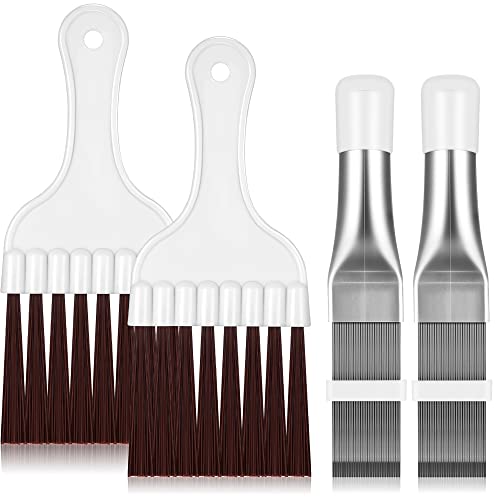
Air Conditioner Fin Cleaning Kit, HVAC Coil Cleaner Set AC Fin Comb Brush | 6pcs Condenser Fin Straightener Tool, Dual-Sided Brushes Deep Cleaning Maintenance for AC Radiator, Vents, Evaporator Coils
Check price on Amazon
4Pcs AC Coil Cleaning Brush Set, Coil Cleaning Fin Brush for AC Unit, Air Conditioner Condenser Coil Cleaner, Evaporator Coil Cleaner, Fridge Cleaner Tool
Check price on Amazon
Ceoighe 2 Pack Advanced Coil Cleaner for AC Evaporator and Condenser, Effective Dual Sided AC Coil Cleaner, HVAC Cleaning Brush, Stainless Steel Pins & Soft Bristles, Prevent Build Up, HVAC Tools
Check price on Amazon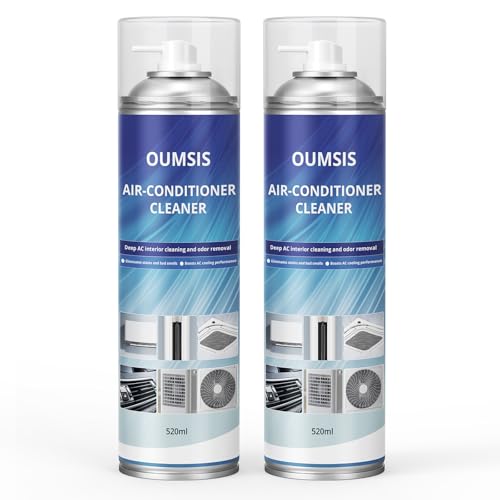
OUMSIS Air Conditioner Cleaner, Professional Cleaner Foam Spray | Foaming coil cleaners for heating, refrigerator, multifunctional cleaner spray bottle breaks down dirt, dust & grease, 2 pack
Check price on Amazon
ERRECOM Clima-Net, 34 fl oz, Air Conditioner Cleaner for Central AC and Split AC, Cleans Air Ducts, AC Filters, Evaporator/Condenser Coils, Improves Airflow and Indoor Air Quality
Check price on Amazon
LANMU AC Coil Cleaner Brush Fin Comb, Air Conditioner Cleaning Brush Straightening Tool for HVAC/AC Evaporator, Condenser, Radiator
Check price on Amazon
LONCHDAN 2Pcs Air Conditioner Fin Comb Cleaner kit AC Coil Cleaning Brush Condenser Fin Straightener AC Evaporator Comb Radiator Repair Clean Tool
Check price on Amazon