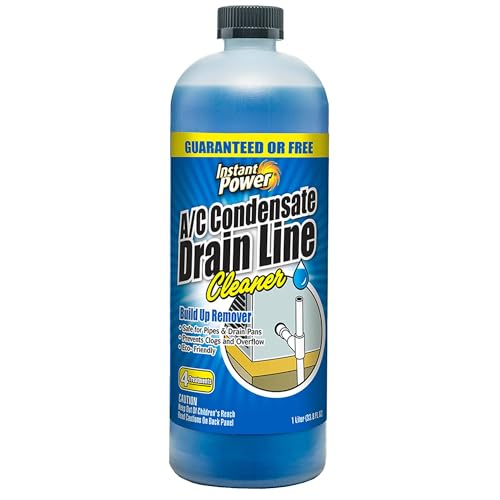
Clogged Condensate Drain Line: Causes, Fixes & Prevention
Your air conditioner does more than cool the air — it also removes moisture. As warm indoor air passes over the cold evaporator coil, water vapor condenses into liquid. That water collects in a drain pan and flows out through a condensate drain line, usually a narrow PVC pipe that leads outside or to a floor drain. When this line becomes blocked, the water has nowhere to go. It backs up into the pan, overflows, and can damage ceilings, walls, insulation, and even the AC system itself.
Understanding how this component works is the first step toward protecting your home. If you are still reviewing the basics of how an AC moves heat and moisture, our overview of central air units is a useful companion read. Below, we break the problem down from symptom to solution.
Why the Condensate Drain Line Clogs
Condensate drain lines are exposed to a constant flow of water, dust, and organic particles. Over time, this combination creates the perfect environment for buildup. The most common causes of a clogged condensate drain line include:
- Algae and biological growth. Warm, dark, and damp conditions inside the drain line allow algae and mold to thrive. These organisms form a slimy film that gradually narrows the pipe until it closes completely.
- Dust and debris. Fine dust from the indoor air can pass through the filter and settle in the drain pan, eventually washing into the line and accumulating.
- Sludge from the drain pan. Standing water in the pan mixes with dirt and biological growth to form a thick sludge that blocks the drain outlet.
- Insects and small pests. In some regions, insects build nests or lay eggs inside the open end of the drain line, creating a physical obstruction.
- Improper slope or installation. A drain line that is not pitched correctly allows water to pool, which accelerates buildup and can cause recurring blockages.
- Freezing in cold weather. If a condensate line runs through an unheated space, trapped water can freeze and crack or block the pipe.
Symptoms of a Clogged Condensate Drain Line
Most homeowners discover the problem only after water starts dripping. However, there are earlier warning signs worth watching for:
- Water pooling around the indoor air handler or furnace.
- Damp stains on ceilings, walls, or floors near the AC equipment.
- The AC shuts off unexpectedly due to a float switch safety trip.
- Visible standing water in the drain pan.
- Musty or mildew odors coming from the vents or equipment area.
- The system runs but does not cool effectively because the safety switch keeps interrupting operation.
If you notice water near the indoor unit, do not ignore it. A small overflow can quickly become structural damage. Our article on a central air unit leaking water in the basement covers what to do when water has already reached a finished or unfinished lower level.
How to Clear a Clogged Condensate Drain Line
If the blockage is mild to moderate, it can often be cleared with basic tools and a few household supplies. Follow these steps in order and stop if you are unsure at any point.
- Turn off the system. Set the thermostat to OFF and switch off the circuit breaker that feeds the indoor air handler. This prevents the unit from running while you work.
- Locate the drain line and access point. The condensate line usually exits the indoor unit near the drain pan. Many installations include a tee fitting or a capped access port that makes cleaning easier.
- Remove standing water from the pan. Use a wet/dry vacuum or a sponge to empty the drain pan. This prevents a second overflow while you work and lets you see whether new water is draining.
- Clear the opening with a wet/dry vacuum. If you have access to the outdoor end of the drain line, attach the vacuum hose to it and run it for a minute or two. This often pulls the blockage free without chemicals.
- Flush the line with water. At the indoor access port, pour a cup or two of clean water into the line. If water drains freely, the blockage has cleared. If it backs up, continue to the next step.
- Use a drain brush or plumber's snake. A small flexible brush or a hand-operated drain snake can break through soft blockages. Feed it gently — never force it, as the PVC pipe can crack.
- Apply a mild cleaning solution. A mixture of warm water and a small amount of white vinegar can help dissolve algae film. Avoid harsh chemical drain cleaners, which can damage the pan, the pipe, or the coil.
- Test the flow. Pour clean water through the access port again and confirm it drains freely. Watch the outdoor end of the line to make sure water is exiting.
- Restore power and monitor. Turn the breaker back on, run the AC for 30–60 minutes, and check the pan and the surrounding area for any new moisture.
If the line remains blocked after these steps, or if you cannot locate the access point, it is best to call a certified HVAC technician. A professional can use pressurized equipment and inspect the entire drain path. Our guide on how to clean an air conditioner drain line goes into more depth on tools and technique.
Preventing Future Condensate Drain Clogs
Clearing the line solves the immediate problem, but prevention is what protects your home over the long run. The following habits significantly reduce the chance of a repeat blockage:
- Flush the drain line seasonally. Pour a cup of white vinegar through the access port at the start of cooling season and again mid-season. Vinegar slows algae growth without harming components.
- Replace the air filter on schedule. A clean filter keeps dust out of the drain pan and reduces sludge formation. Check the filter monthly during heavy use.
- Keep the drain pan clean. Wipe out debris and standing water whenever you inspect the unit.
- Verify the float switch works. A functioning float switch shuts the system down before water overflows. Test it once a year.
- Schedule professional maintenance. An annual tune-up includes drain line inspection and flushing, which catches slow clogs before they become emergencies.
- Check the outdoor discharge point. Make sure the line ends in a location where water can drain away from the foundation.
Routine maintenance is far easier than repairing water damage. Our overview of common AC problems lists other issues that regular service helps prevent, and our guide on cleaning an air conditioner drain walks through the seasonal routine in detail.
When to Call a Professional
Some situations are best left to a qualified technician. Call a professional if:
- The clog returns within a few weeks of clearing.
- Water has already caused visible damage to ceilings, walls, or flooring.
- The drain line is inaccessible or runs inside a wall or ceiling.
- You notice a persistent musty odor that suggests mold growth inside the system.
- The AC continues to shut off even after the drain line appears clear.
If the unit is not cooling alongside the water issue, the problem may be more than a clog. Our articles on a central air unit running but not cooling and a central air unit not blowing cold air explain how to tell the difference between a drainage problem and a refrigerant or airflow problem. A technician can confirm the diagnosis and recommend the right repair.
Condensate Drain Line at a Glance
| Category | What to Know | Best For |
|---|---|---|
| Typical clog cause | Algae, dust, and sludge buildup inside the pipe | Homeowners diagnosing a first-time leak |
| Earliest warning sign | Standing water in the drain pan | Routine monthly inspection |
| DIY clearing method | Wet/dry vacuum, water flush, drain brush | Entry-level maintenance tasks |
| Prevention routine | Seasonal vinegar flush and filter replacement | Mid-range maintenance planning |
| Professional service | Pressurized clearing and full system inspection | Recurring clogs or water damage |
Frequently Asked Questions
How often should a condensate drain line be cleaned?
At minimum, flush the line at the start of each cooling season and again halfway through. Homes in humid climates or with heavy dust may benefit from monthly checks during peak summer months.
Can I use bleach to clear a clogged drain line?
Bleach can kill algae but may damage the drain pan and the PVC over time if used frequently. White vinegar is a gentler option for routine maintenance. For a stubborn clog, mechanical clearing with a brush or vacuum is safer than repeated chemical treatments.
Why does my AC shut off after a few minutes of running?
A clogged condensate line can trigger the float switch, which shuts the system down to prevent overflow. If the unit restarts after the pan drains, the float switch is likely working as intended and the clog is the root cause.
Is a small amount of water in the drain pan normal?
A thin layer of water during operation is normal. Standing water that does not drain, or water that reaches the top of the pan, indicates a blockage or a slope problem that should be addressed promptly.
Can a clogged drain line affect cooling performance?
Yes. When the float switch trips, the compressor stops and the system cannot cool. Even before a full shutdown, high indoor humidity from poor drainage can make the home feel less comfortable.
Final Thoughts
A clogged condensate drain line is a small problem with a large potential impact. The good news is that it is highly preventable. Seasonal flushing, clean filters, and an annual professional inspection keep water flowing where it should — outside your home, not through your ceiling. If you have already cleared the line and the system is still not cooling, review our troubleshooting resources on a central air unit that stopped blowing cold air or a central air unit that turns on but does not cool before deciding on the next step.